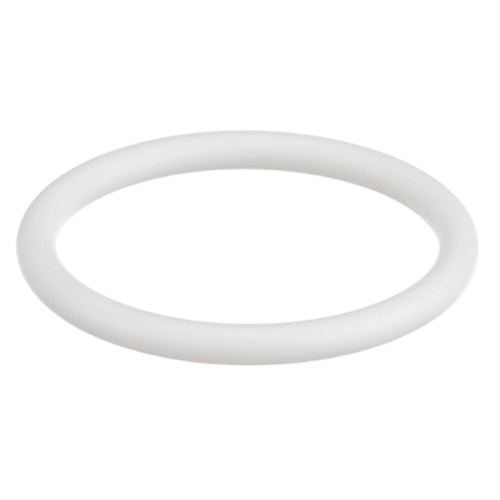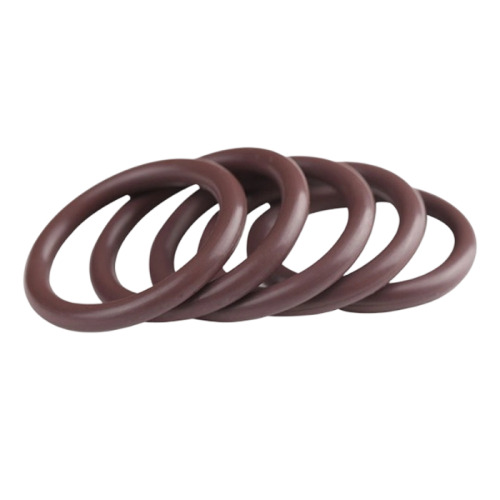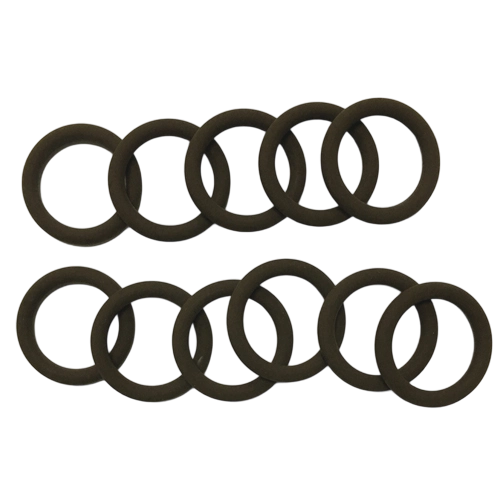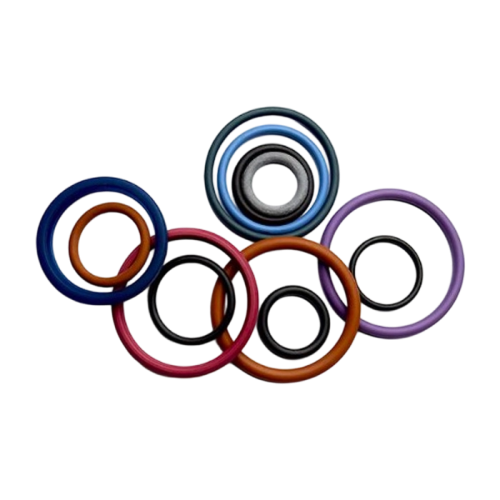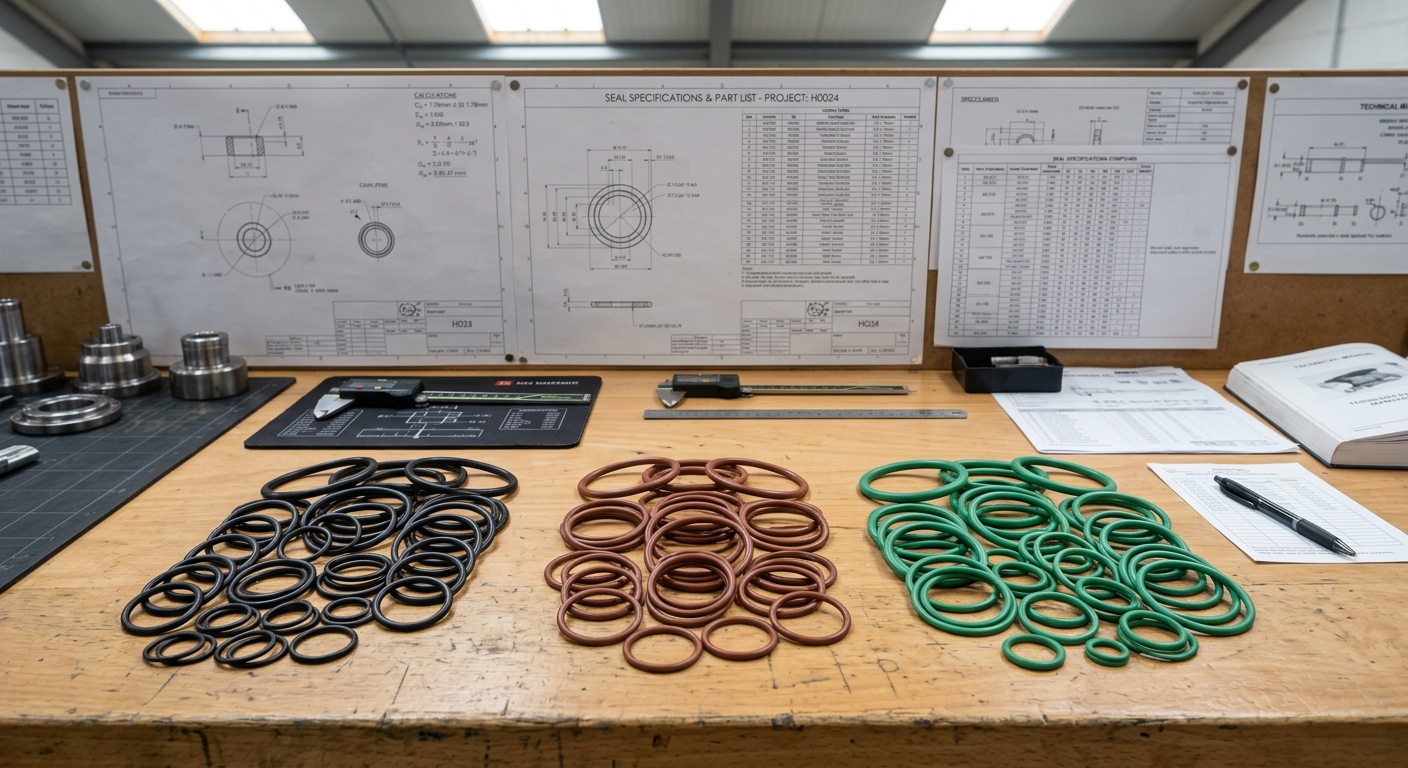
Specify NBR when you’re sealing petroleum oils, fuels, or hydraulic fluid at moderate temperatures and need to keep costs down. Choose FKM (Viton) when you face high temperatures above 120°C, aggressive chemicals, or fuel exposure where long service life matters more than price. Pick EPDM when the seal will contact water, steam, glycol-based brake fluids, or sit outdoors against ozone and UV — but keep it far away from petroleum oils.
Most O-ring material mistakes happen because someone defaulted to whatever was in the drawer. Don’t do that. Before you spec anything, answer three questions:
Get those three right and you’ve already eliminated two of the three compounds. The rest is fine-tuning hardness, tolerance, and gland design. Our engineering team sees the same three failure modes over and over: NBR swelling in hot oil, FKM cracking in steam, and EPDM dissolving in diesel. All preventable.
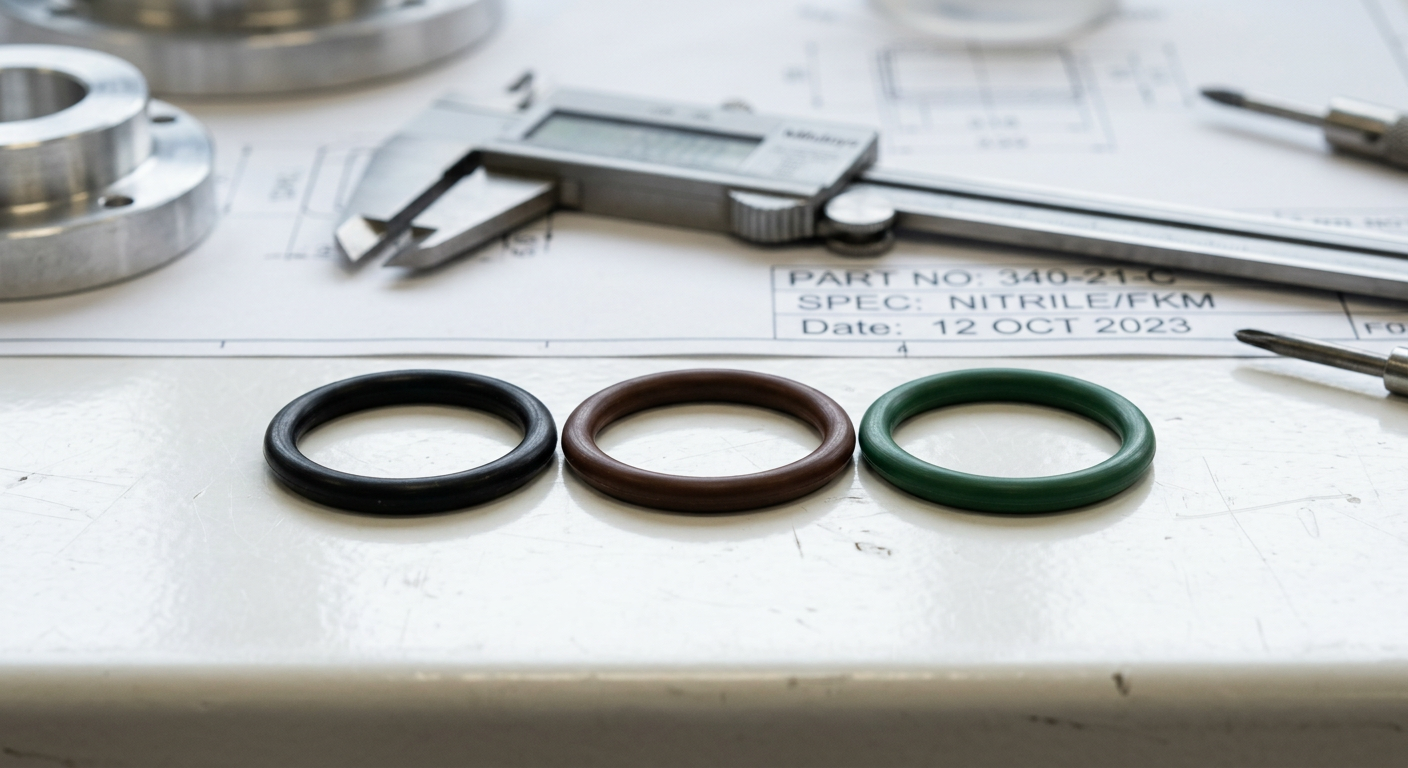
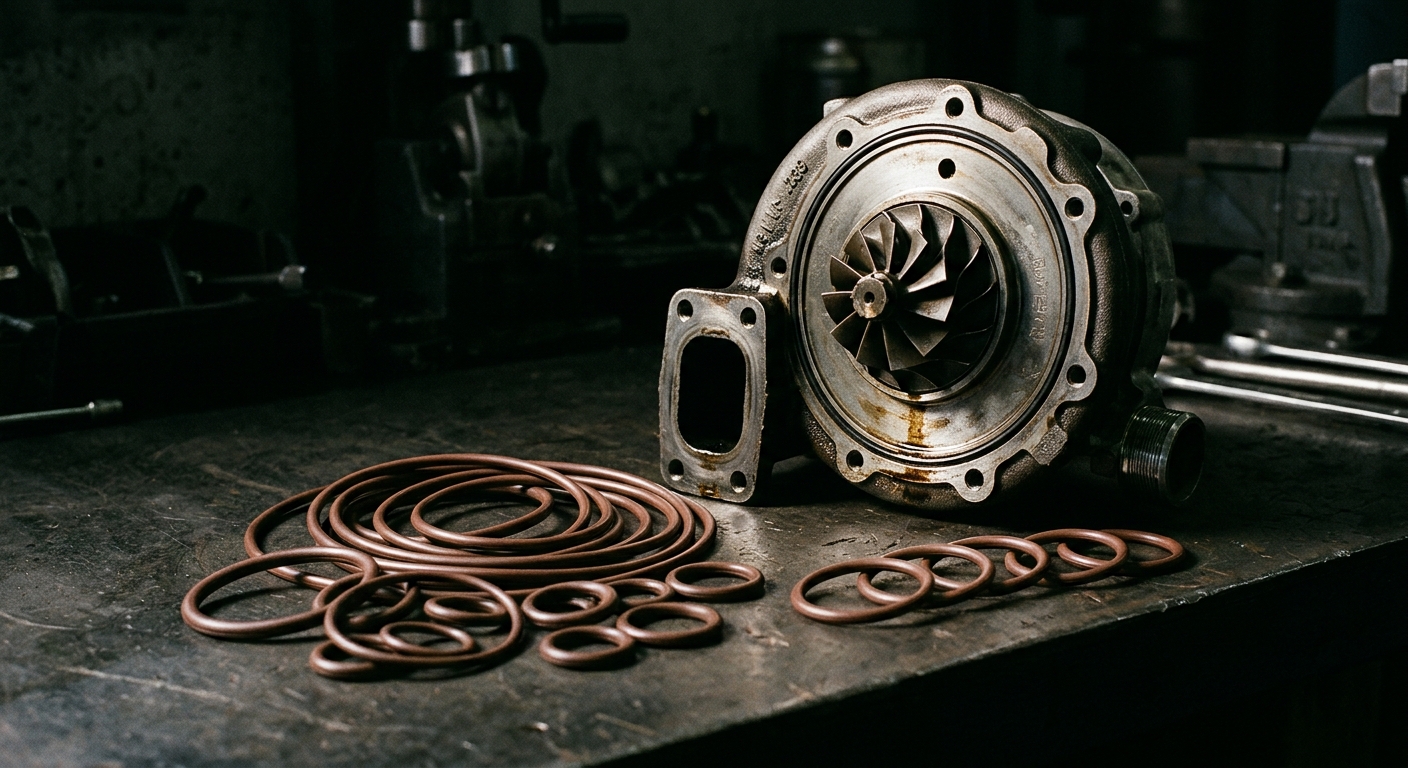
NBR is the most widely specified O-ring material on the planet, and for good reason — it shrugs off petroleum oils, fuels, and hydraulic fluid at a price point nothing else can touch.
The acrylonitrile content (typically 18% to 50%) determines how oil-resistant the compound is. Higher ACN = better oil resistance but worse low-temperature flexibility. A typical medium-ACN NBR (around 33%) gives you a workable -30°C to +100°C window and handles ASTM #1 and #3 oils without measurable swelling.
Ozone, UV, weathering, and temperatures above 120°C. Leave an NBR O-ring exposed to sunlight on a piece of outdoor equipment and you’ll see surface cracking in months. It’s also not your friend with brake fluid (DOT 3/4), ketones, or strong acids.
A hydraulic cylinder manufacturer we supply switched from a generic 70 Shore A NBR to a higher-ACN nitrile after seeing rod seal weeping at 105°C in mining equipment. Same geometry, different compound, problem solved at roughly the same unit cost. Material selection — not redesign — fixed it.
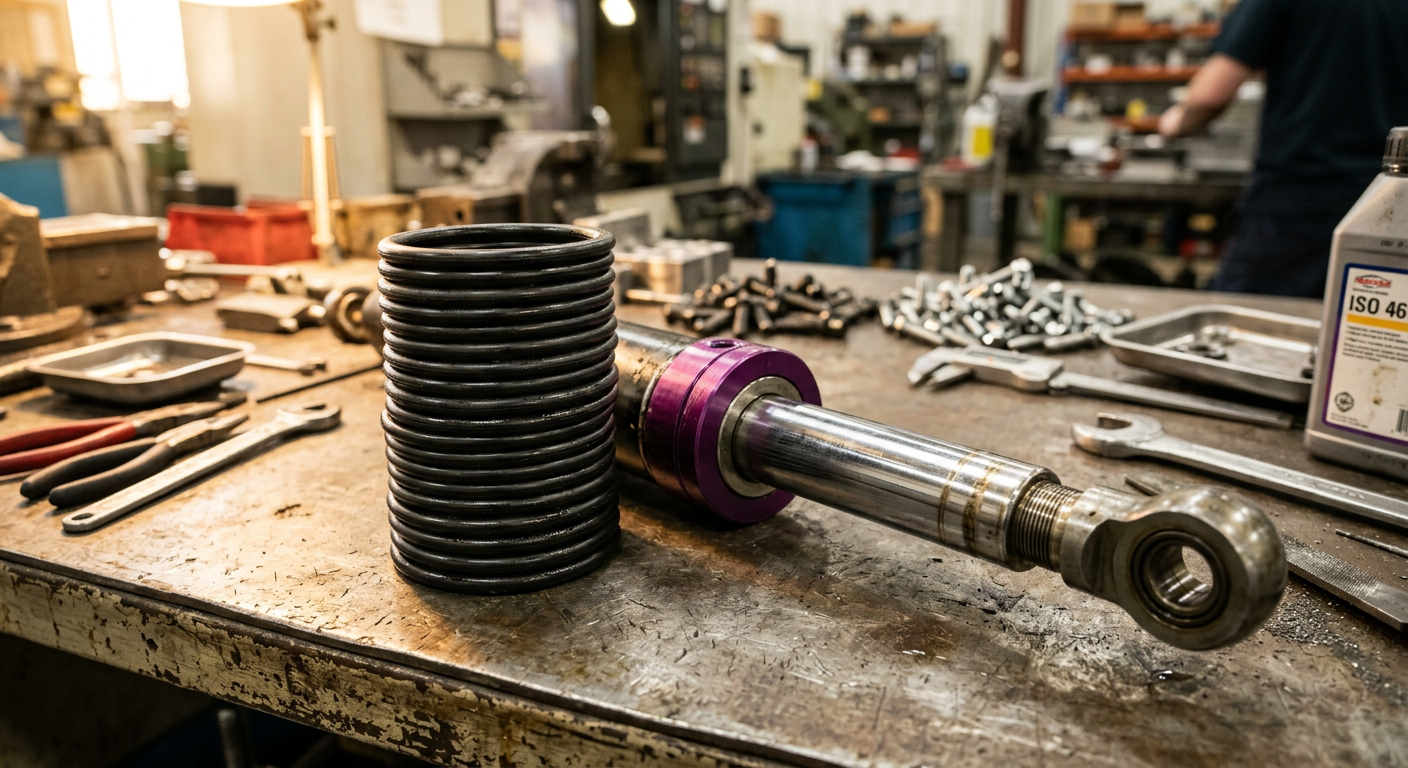
FKM is what you specify when failure isn’t an option. It costs 4–8x more than NBR, but it survives conditions that would turn nitrile into mush within days.
Standard FKM compounds run continuously at 200°C, with short excursions to 230°C. That’s a 70–80°C jump over NBR. For under-hood automotive, turbocharger systems, and engine sensors, this isn’t a luxury — it’s a requirement.
FKM handles aromatic fuels (gasoline with high benzene/toluene), engine oils with modern additive packages, mineral acids, and most hydrocarbons. The fluorine content (typically 66–70%) is what makes that possible.
A medical device customer recently came to us frustrated that their FKM seals were failing in an autoclave cycle. The answer was simple: stop autoclaving FKM. They moved to a peroxide-cured EPDM and the problem disappeared.
EPDM is the compound engineers underuse the most. If your application doesn’t involve petroleum, EPDM probably deserves a serious look before you reach for anything else.
The ethylene-propylene-diene backbone has no double bonds in the main chain — which means ozone, UV, and oxidation can’t attack it the way they shred NBR. Combined with excellent water and steam resistance up to 150°C (peroxide-cured), it’s the default choice for:
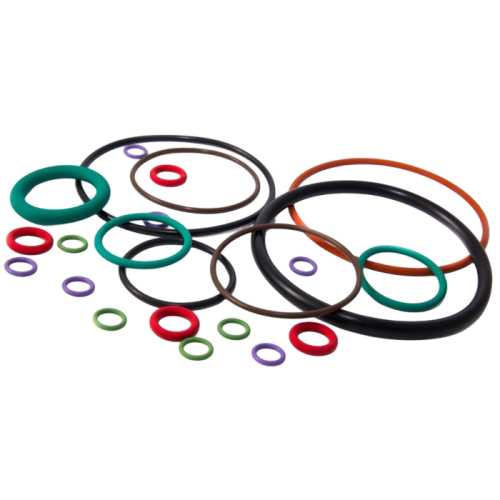
Never put EPDM near petroleum oils, diesel, gasoline, or mineral-based hydraulic fluid. It will swell 50–100% and lose all sealing function. We’ve seen this exact mistake on aftermarket repair jobs where someone grabbed a black O-ring assuming all black O-rings are NBR. EPDM is often dyed black too. Color isn’t identification — spec sheets are.
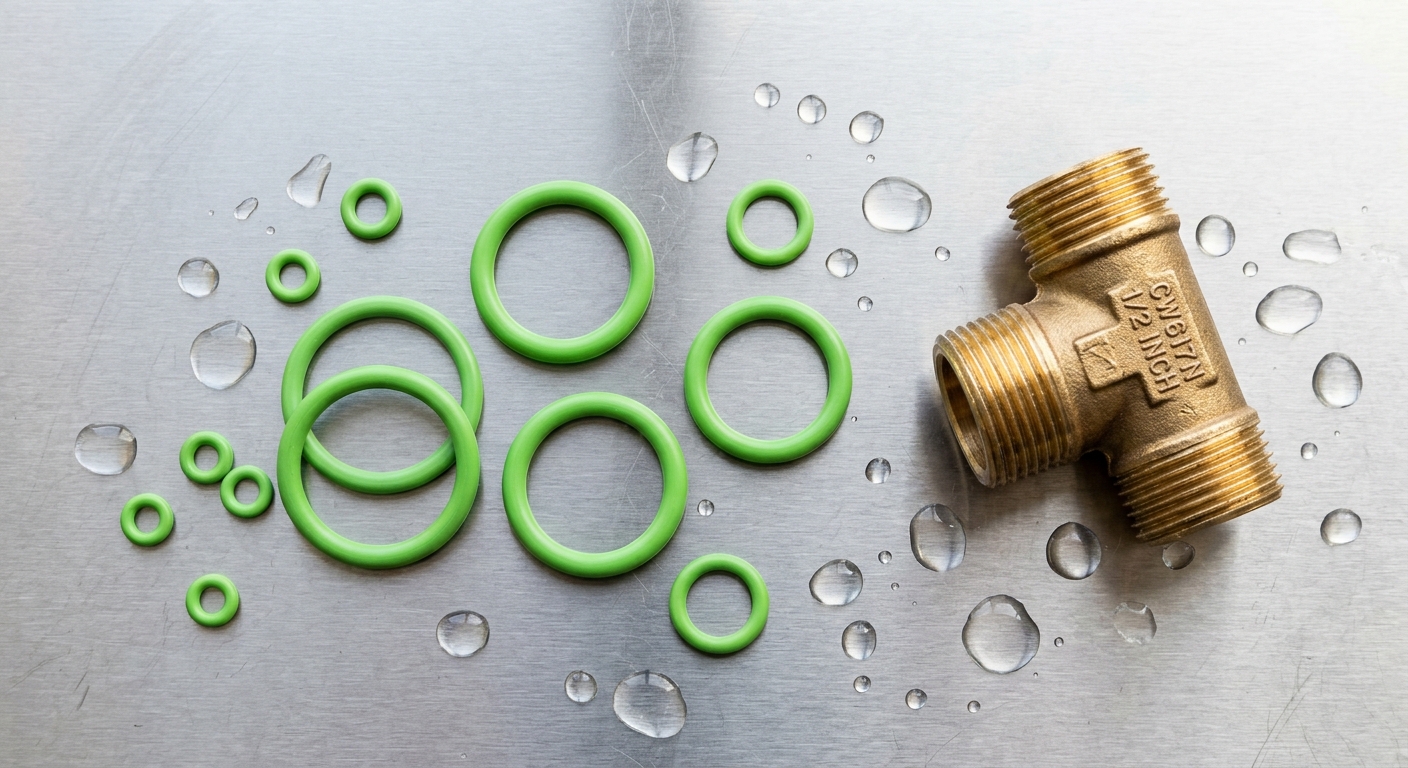
Here’s the cheat sheet our sales engineers send to procurement teams when they’re narrowing down a spec. Print it, bookmark it, paste it into your design review — whatever helps.
| Criteria | NBR (Nitrile) | FKM (Viton) | EPDM |
|---|---|---|---|
| Temperature range | -40°C to +120°C | -20°C to +200°C | -50°C to +150°C |
| Petroleum oils & fuels | Excellent ✓ | Excellent ✓ | Poor ✗ |
| Water & steam | Fair | Poor ✗ | Excellent ✓ |
| Ozone & weathering | Poor ✗ | Excellent ✓ | Excellent ✓ |
| Acids & aggressive chemicals | Fair | Excellent ✓ | Good |
| Relative cost | $ (lowest) | $$$ (highest) | $$ |
| Typical hardness range | 50–90 Shore A | 60–90 Shore A | 40–90 Shore A |
| Best use case | Hydraulics, fuel systems | High-temp, aggressive chemicals | Brake fluid, water, outdoor |
Notice the inverse relationship: NBR and EPDM almost never compete — they’re good at opposite things. FKM overlaps with NBR on oil/fuel but costs much more, so it only wins when temperature or chemistry pushes past nitrile’s limit.
Picking the right compound is half the job. The other half is specifying it correctly. A 70 Shore A NBR isn’t a complete spec — it’s a starting point.
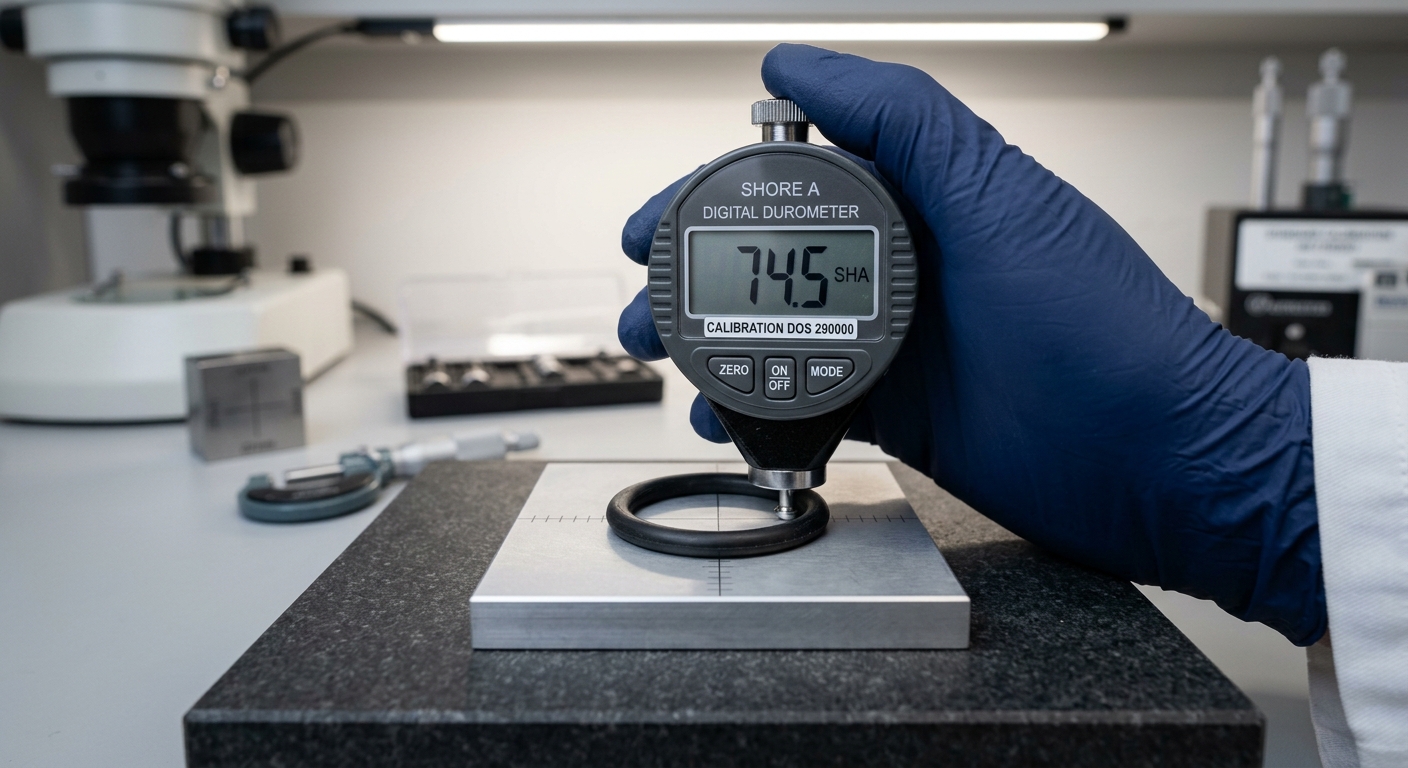
70 Shore A is the default for static seals because it balances sealing force with extrusion resistance. Go softer (50–60) for low-pressure or low-clamp applications where you need the rubber to conform to imperfect surfaces. Go harder (80–90) for high-pressure dynamic seals where extrusion is the failure mode you fear.
This is the property that determines whether your seal still seals after a year in service. Lower compression set = better long-term sealing force retention. Peroxide-cured EPDM and high-grade FKM hit 15–25% at 100°C/70 hours. Cheap NBR can be 40%+ — meaning the seal has lost almost half its memory.
Standard AS568 tolerances (typically ±0.08mm on cross-section for small rings) are fine for most applications. Tighter tolerances cost more and rarely improve sealing — the gland design matters more than ring tolerance once you’re within spec.
Browse our standard O-ring and seal range for AS568 sizing, or send drawings for custom dimensions.
Here’s a counterintuitive truth: the cheapest O-ring per piece is often the most expensive O-ring per service hour.
Consider a 50,000-unit annual production of an industrial pump. A standard NBR O-ring runs around 0.08 USD per piece. An FKM equivalent might be 0.55 USD. The unit cost difference is 23,500 USD per year — significant. But if the NBR seals fail at 8,000 hours of service and the FKM seals last 25,000+ hours, the warranty claims, field service calls, and brand damage from premature failures will dwarf that 23,500 USD savings within the first year.
The right question isn’t “what’s the cheapest material that might work?” It’s “what’s the cheapest material that will work for the full design life of the product?” Big difference.
That said, don’t over-engineer either. We see customers spec FKM for cold-water applications all the time “just to be safe.” EPDM would last longer, perform better, and cost a third of the price. Match the material to the application — not to anxiety.
NBR, FKM, and EPDM cover maybe 85% of industrial O-ring applications. The other 15% needs something more specialized.
If your spec falls outside the NBR/FKM/EPDM triangle, talk to an engineer before ordering. The wrong alternative compound can fail faster than the wrong mainstream compound.
Before you send a drawing or RFQ, have these items locked down. Missing any of them means we’ll have to come back and ask — which costs you time.
For custom geometries beyond AS568, we tool molds in-house and prototype within 2–3 weeks. Standard AS568 sizes in NBR, FKM, EPDM, silicone, and HNBR ship from stock.
If the media is petroleum-based and the temperature stays under 120°C, NBR is almost always your answer — cheap, proven, available. If you cross 120°C or face aggressive chemicals, jump to FKM and pay the premium for service life. If you’re sealing water, steam, brake fluid, or anything outdoor, EPDM is the right call — just keep it away from oil.
Material selection isn’t about picking the best rubber — it’s about picking the best rubber for your specific fluid, temperature, and budget. Get those three right and the rest is just dimensions.
Need a second opinion on a spec, or want a quote on custom O-rings in NBR, FKM, EPDM, or specialty compounds? Send us your drawing or application details — our engineering team will review the chemistry, suggest compounds, and quote tooling and production within two business days. You can also learn more about our manufacturing capabilities or browse the full seal and O-ring catalog.


English

French

German

Spanish
Our engineering team reviews your specs and responds within 24 hours with material recommendations and competitive pricing.