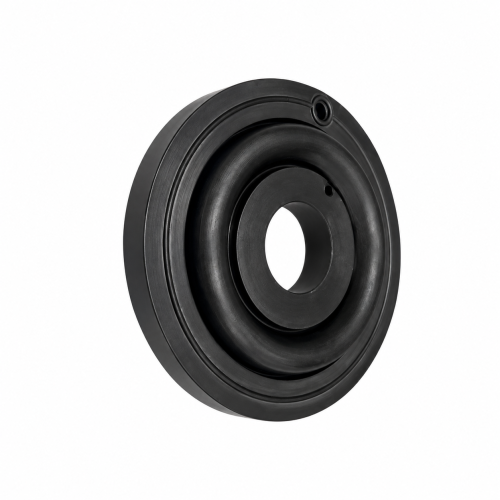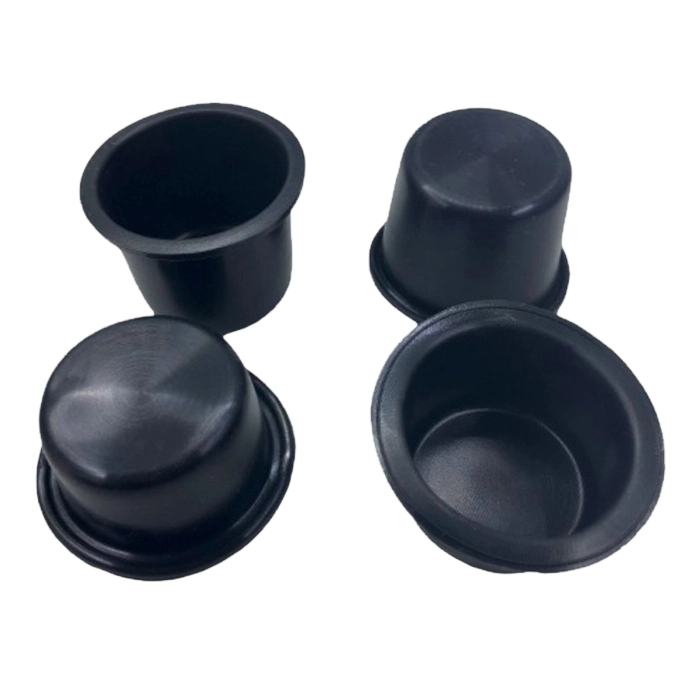
Rubber diaphragms separate two media while transferring pressure or mechanical movement across a flexible membrane. Hongjie manufactures custom diaphragms for valves, pumps, regulators and control assemblies, with the profile, material and reinforcement selected around pressure differential, stroke, media contact and expected flex life. For automotive diaphragms requiring PPAP support, see our Custom Rubber Diaphragms.

Rubber diaphragms separate media while transferring pressure or mechanical movement through a flexible membrane. Profile, bead geometry, stroke, compound and reinforcement should be selected around the actual operating conditions.

Separates fluids, gases or pressure zones while allowing controlled movement between two sides of an assembly.

Transfers pressure changes into mechanical movement in valves, regulators, pumps and other control assemblies.

The diaphragm profile is matched to the required travel so the membrane can move without unnecessary stretching.

Beads, flanges and clamping areas can be molded to fit the housing and maintain separation around the diaphragm perimeter.

Flat, convoluted, rolling and other molded profiles can be developed around the available space, clamped diameter and movement required.

Flexing areas are reviewed for local strain, membrane thickness and expected cycle requirements before the profile is finalized.

Key diaphragm inputs include pressure differential, stroke, active area, clamping geometry, media contact and temperature.
| Diaphragm Design Specifications | |
|---|---|
| Product Type | Rubber Diaphragms |
| Primary Function | Pressure response and media isolation |
| Profile Options | Flat, convoluted, rolling or custom molded |
| Effective Area | Defined by the active pressure diameter |
| Working Stroke | Normal and maximum travel per application |
| Pressure Differential | Working and maximum differential to be specified |
| Media Contact | Fluid or gas conditions on each side of the diaphragm |
| Temperature | Continuous and peak operating temperature |
| Compound Selection | Selected by media, temperature and flex requirements |
| Membrane Thickness | Defined around movement, support and pressure conditions |
| Reinforcement | None, fabric or project-specific structure |
| Edge Design | Bead, flange or clamped perimeter |
| Dimensional Inspection | Critical profile, bead and installation dimensions |
| Functional Validation | Pressure, leakage or flex-cycle checks when required |

Before tooling, define pressure differential, stroke, clamping diameter, media, temperature and expected cycle life. These inputs guide the profile and compound review.
Differential & Media
Travel & Flex Life
These applications use a flexible diaphragm to respond to pressure, move a mechanism or keep two media separated.
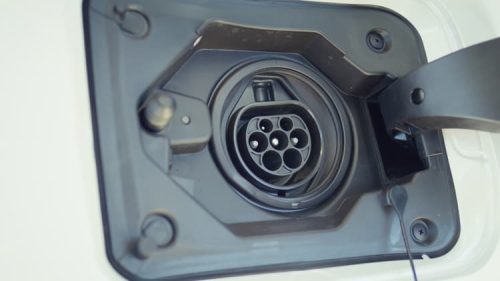
A diaphragm can move a valve mechanism as pressure changes while keeping the operating media separated.

Used in water-control assemblies where the diaphragm opens, closes or regulates flow in response to pressure.

The diaphragm senses pressure changes and transfers movement to the regulating mechanism between pressure zones.
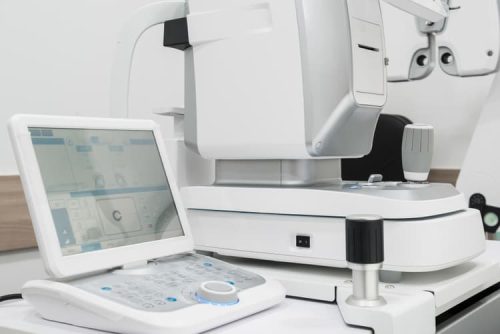
Flexible movement creates displacement while separating the pumped medium from the drive side of the assembly.

Controlled diaphragm movement can support repeatable displacement in compact dosing and dispensing systems.

Diaphragms are used in pump and sprayer assemblies that need repeated movement and separation from water or chemical media.

Send the drawing or sample together with pressure, media, temperature, stroke and clamping details. We review the profile and material around how the diaphragm will work in the assembly. For automotive diaphragms requiring PPAP support, use our dedicated automotive diaphragm page.
Provide the drawing or sample together with pressure range, media, temperature, installation space and expected movement.
We review the membrane profile, bead, clamped diameter and working stroke against the available space in the assembly.
Compound selection follows the media and temperature conditions. Reinforcement can be considered where pressure or dimensional stability requires it.
Initial samples can be checked for profile, bead fit and critical dimensions. Flex, pressure or leakage checks can be defined when the application requires them.

Explore complementary sealing solutions from our comprehensive product catalog.