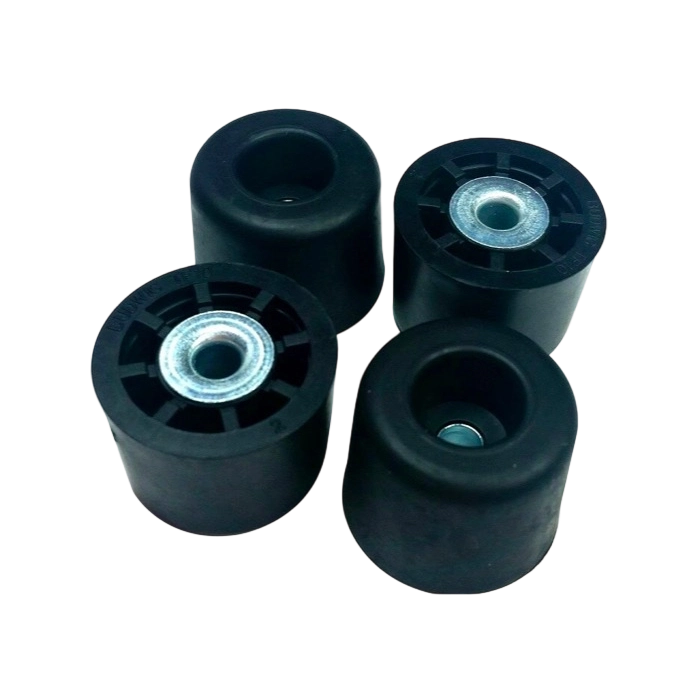
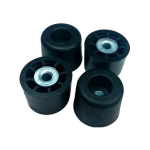
Hongjie produces molded parts in which rubber is bonded directly to metal inserts, sleeves, brackets or plates during production. Projects can be reviewed around metal grade, surface treatment, rubber compound, load direction, required movement and bond verification.

For bonded mounts, bushings and insert-molded parts, performance depends on the metal surface, bonding system, rubber compound and the way load passes through the interface.

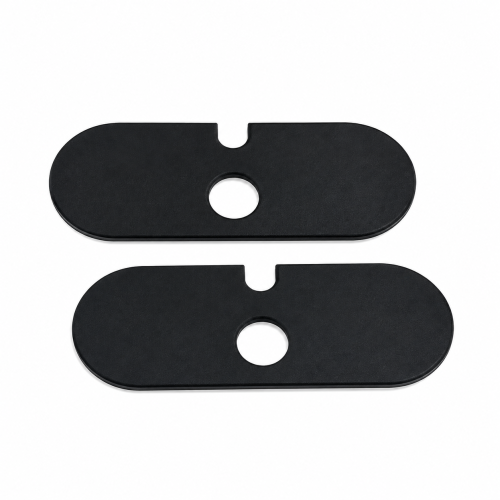
Metal inserts, sleeves, studs, plates or brackets can be molded into the rubber body according to the part drawing and assembly method.

Insert surfaces can be cleaned, blasted, plated or otherwise prepared as required before bonding. Surface condition is reviewed with the selected bonding process.

Primer or bonding-agent requirements are matched to the insert surface, rubber compound and operating environment during sample development.

Compression, shear, tension or combined loading should be identified so the rubber section and bonded area can be reviewed against the actual load path.

Exposed metal areas, rubber coverage, flash and overflow around the insert can be controlled to the approved drawing and sample.

Dimensional checks and agreed pull, peel, shear or other bond tests can be added when the project requires measurable interface verification.

For quotation or sample review, define the metal insert, rubber requirement, surface condition, loading and any bond-verification criteria.
| Bonded-Part Specifications | |
|---|---|
| Product Type | Rubber-to-Metal Bonded Mounts, Isolators & Inserts |
| Part Family | Custom Rubber-to-Metal Parts |
| Typical Structures | Sleeves, studs, plates, brackets and custom inserts bonded to molded rubber |
| Rubber Compound | NR, SBR, NBR, EPDM, HNBR, Neoprene or project-specified compound |
| Metal Grade | As specified on the drawing or approved sample |
| Metal Surface | Plating, coating, blasting or other specified treatment |
| Rubber Hardness | 10–90 Shore A, depending on compound and design |
| Insert Geometry | Sleeve, stud, plate, bracket, washer or custom insert |
| Load Direction | Compression, shear, tension or combined load |
| Design Inputs | Static/dynamic load, movement, deflection and critical insert dimensions |
| Bond Validation | Pull, peel, shear or agreed project-specific test |
| Quality System | IATF 16949 certified production support |
| Inspection | Dimensional, visual and agreed bond-interface checks |

Send the drawing or sample with insert details, surface treatment, rubber hardness, load direction, expected movement and any bond-test requirement.
Shore A Hardness
Load Directions to Define
The metal geometry and load path change from one bonded part to another. These common configurations show the inputs that should be defined before tooling.
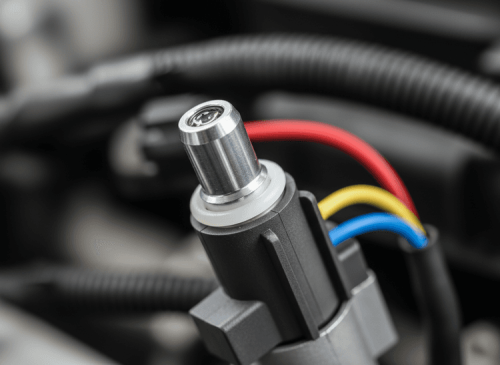
A threaded stud or metal plate carries the attachment load into the molded rubber section. Compression and shear conditions should be defined.
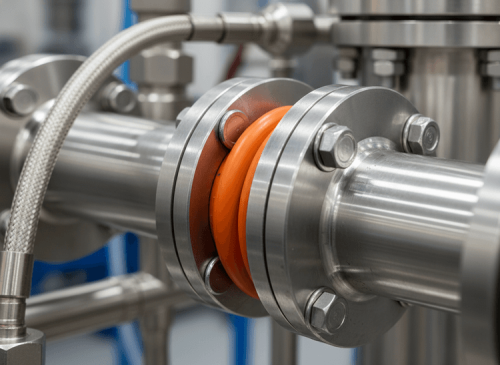
An inner or outer sleeve provides the rigid locating surface while the rubber section allows controlled radial or angular movement.
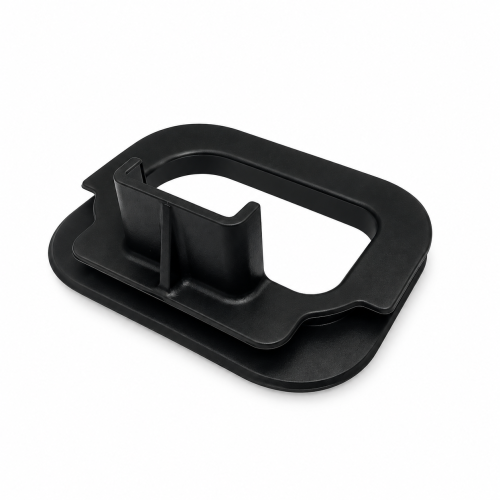
Stamped or machined brackets can be bonded to molded rubber where the connection needs a rigid fixing point and an elastic section.
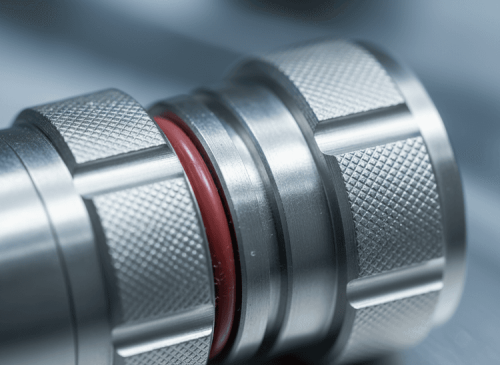
Washers, plates, sleeves or custom inserts can be retained in non-standard molded geometries for locating, supporting or sealing functions.
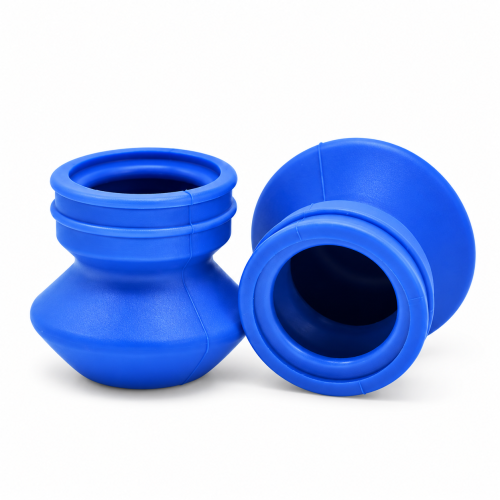
These designs carry load mainly through compression of the rubber body. Working load and permitted deflection are key review inputs.

Where the rubber works mainly in shear, the bonded area, movement range and repeated loading should be defined with the drawing.

Inspection can cover both molded dimensions and the rubber-to-metal interface. The control plan is set around the approved drawing, sample and required bond verification.
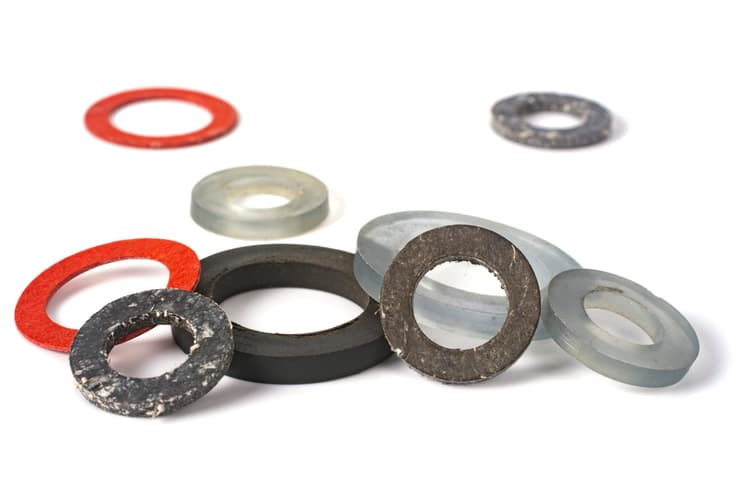
Critical insert position, hole location, concentricity and molded dimensions can be checked against the approved drawing.
The interface can be checked for separation, incomplete rubber coverage, excessive overflow and other agreed visual defects.
Pull, peel, shear or another agreed test can be used when the project specifies a measurable rubber-to-metal bond requirement.
Initial samples can be reviewed for insert fit, rubber geometry, surface condition and bonding performance before batch production.

Explore complementary sealing solutions from our comprehensive product catalog.