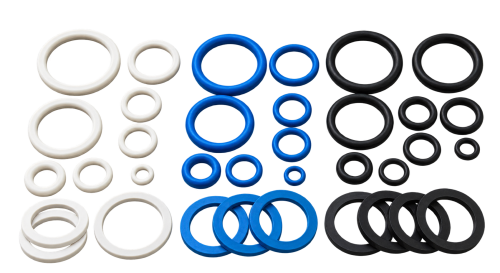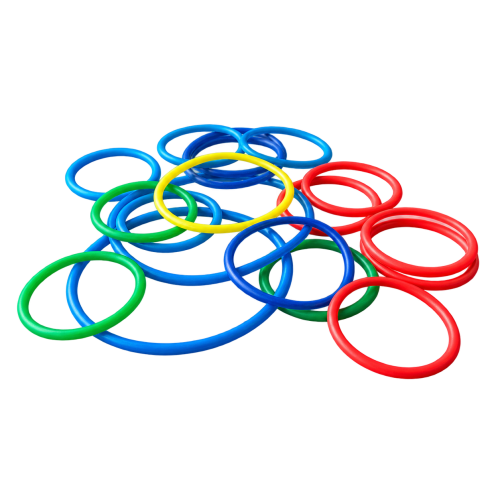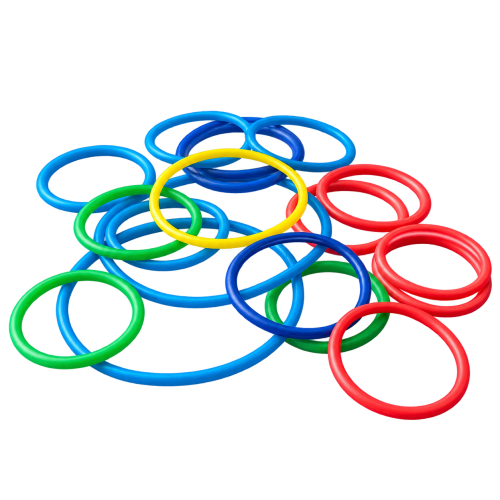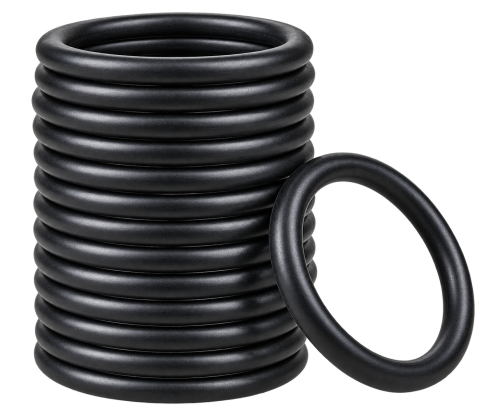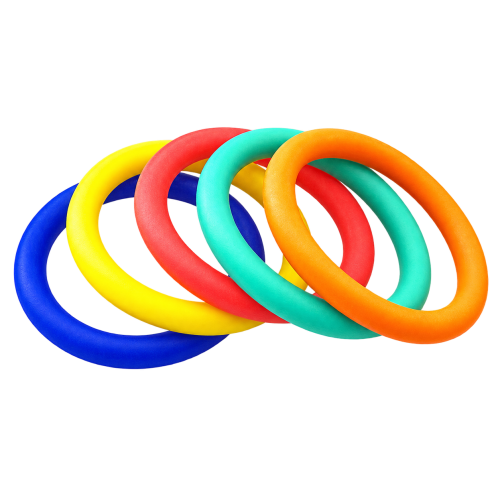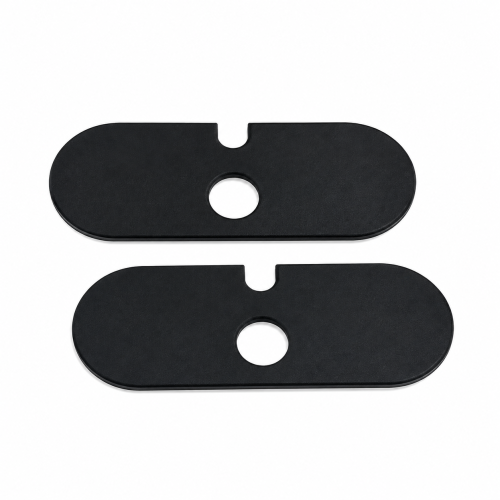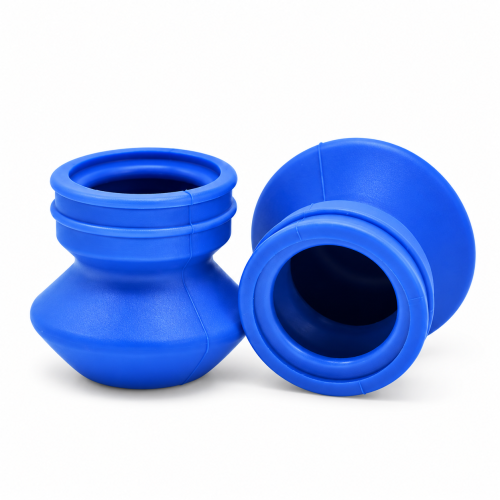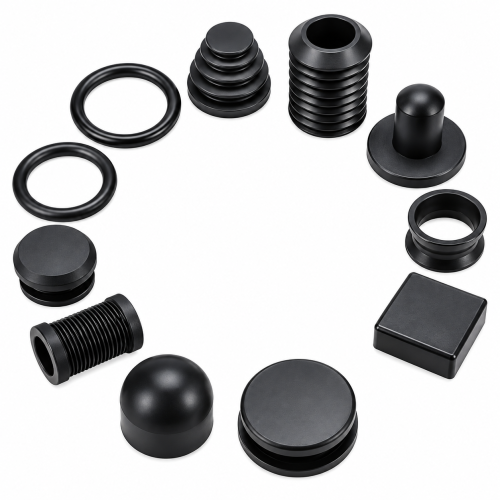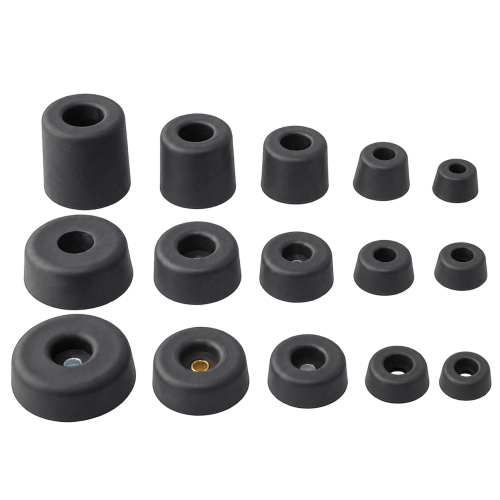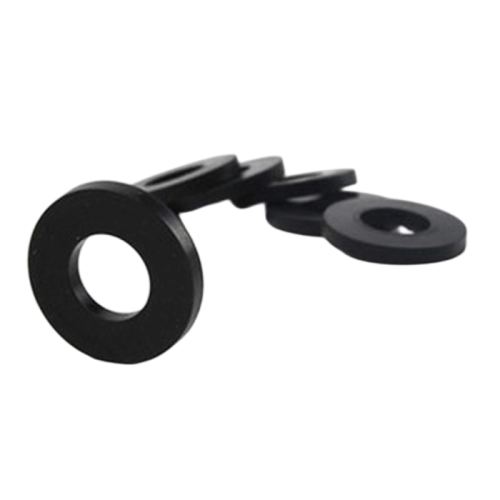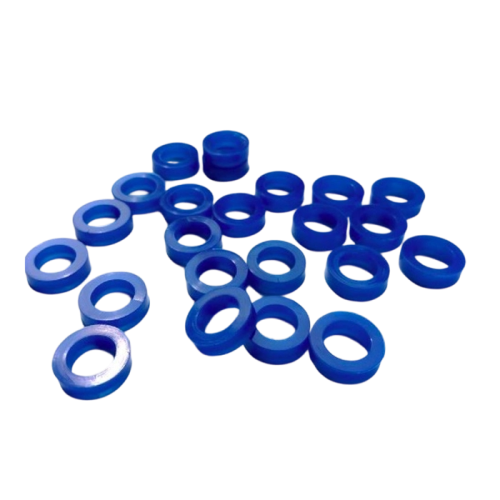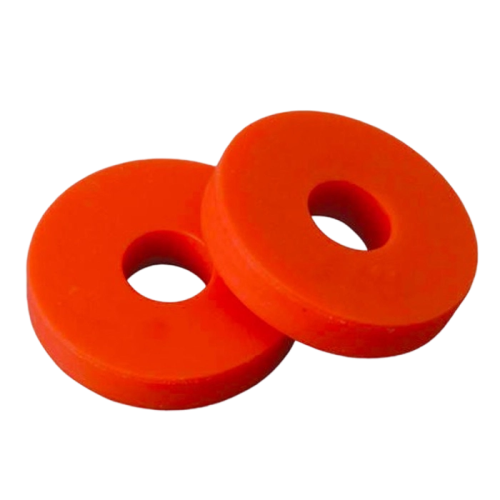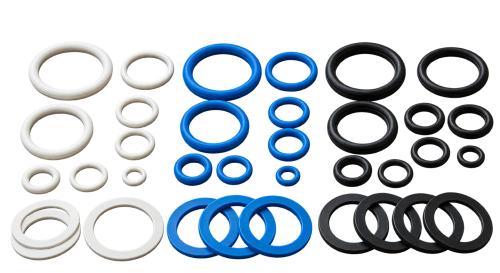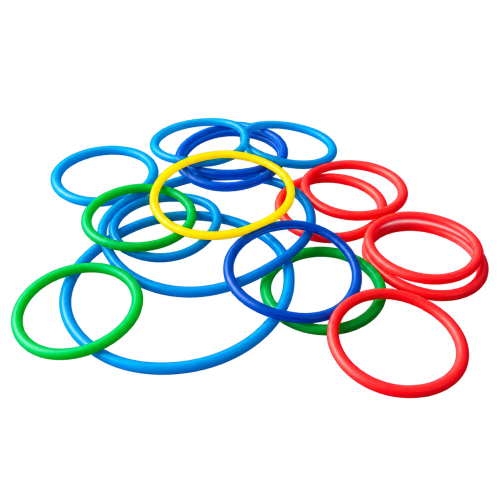
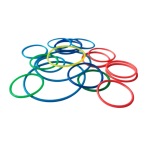
Silicone O-rings are molded in AS568 dash sizes, metric dimensions, and custom cross-sections from a drawing or sample, in durometers and compliance grades matched to the sealing position. Send your dimensions or drawing for a quote, or request a quote directly.

Silicone resists a wider temperature swing than general-purpose rubber, holds compression set at both hot and cold extremes, and stands up to UV and ozone exposure outdoors — properties that make VMQ compounds a common choice for silicone rubber seals used in static sealing positions rather than dynamic, high-speed applications. FDA-compliant and NSF-compliant silicone grades add low odor and low taste transfer, which is why the material shows up repeatedly in appliance, water-contact, and medical-equipment sealing rather than in fuel or solvent lines, where chemical resistance matters more than cleanliness.
| Property | Typical Value |
|---|---|
| Compound | Silicone (VMQ) / Fluorosilicone (FVMQ) |
| Operating Temperature | −60°C to +230°C (typical for the VMQ/PVMQ material class) |
| Durometer | 20–90 Shore A |
| Tensile Strength | ~4–10 MPa (typical for molded VMQ; confirm per compound, not a certified test value) |
| Compression Set | Low, compound-dependent — request test data for your specific grade |
| ID × CS Range | ID 0.60mm × CS 0.20mm to ID 1000.00mm × CS 20.00mm |
| Compliance Options | FDA, NSF, RoHS, REACH (confirm by compound) |
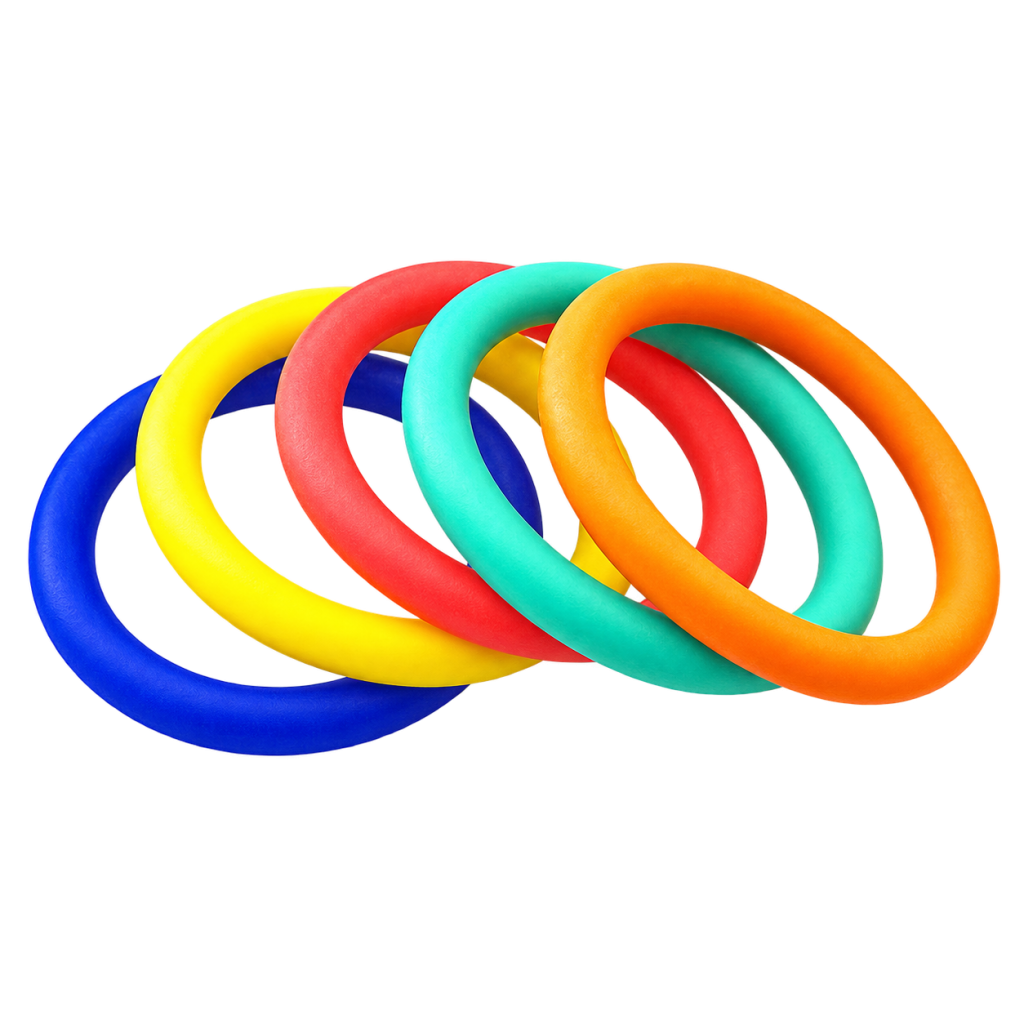
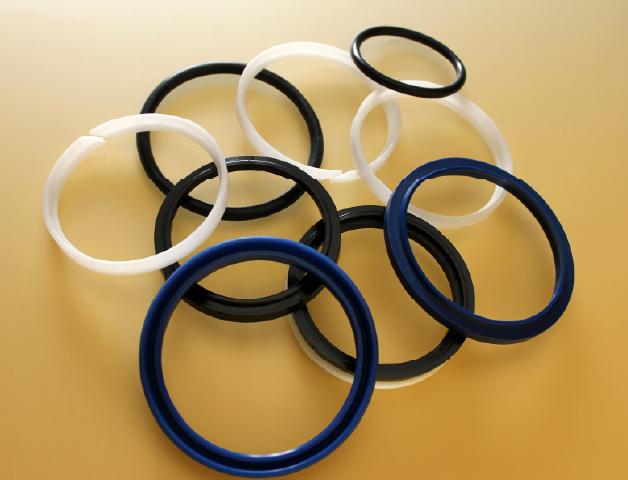
Standard sizing follows AS568A dash numbers or metric ID × CS dimensions; metric- and JIS-referenced sizing is available on request when a drawing or gland spec is supplied. Non-standard cross-sections and glands are built from a drawing, sample, or specified dimensions rather than forced into a nearest-standard size.
Dimensional control is held to a stated tolerance table, with a precision tier down to ±0.02mm on small dimensions:
| Dimension Range | Standard | Precision |
|---|---|---|
| 0–10mm | ±0.10mm | ±0.02mm |
| 10–25mm | ±0.15mm | ±0.05mm |
| 25–50mm | ±0.20mm | ±0.08mm |
| 50–100mm | ±0.25mm | ±0.10mm |
Process control follows SPC and Six Sigma methods targeting Cpk > 1.33, and chemical-compatibility testing covers resistance against 500+ fluids, gases, and chemicals before a compound is approved for a sealing medium.

Injection and compression molding both run silicone O-rings, and an existing library of 3,500+ tools means many "custom" sizes ship at catalog speed rather than waiting on a new mold. New geometries move to functional prototypes in as little as 3–5 business days, so a spec can be validated in a real gland before committing to production volume.

3–5 business days for functional prototypes

Confirmed per project, based on size, compound, and whether an existing tool matches your dimensions

Confirmed at quotation once volume and tooling status are known

Quoted per project — many sizes ship against the existing 3,500+ tool library with no new tooling cost
The facility operates under IATF 16949:2016 and ISO 13485:2016 certification, with UL-certified lines for electrical applications. FDA-compliant and NSF-compliant materials are compound-level options — confirm the specific grade and its documentation against the sealing application before specifying, since not every silicone compound carries the same compliance package.
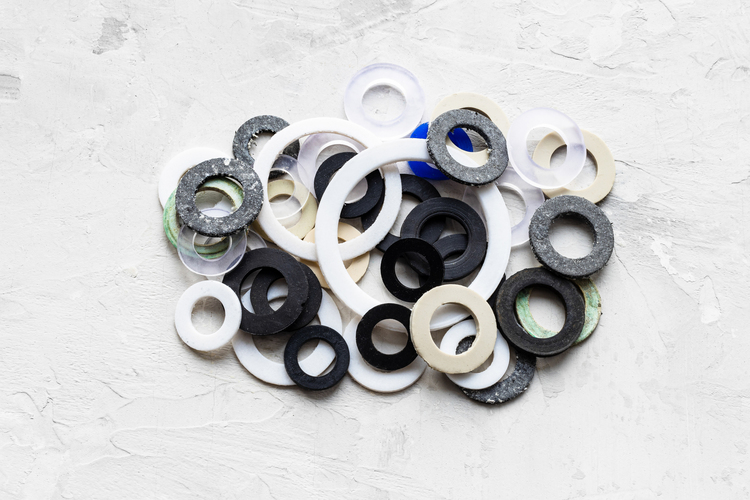
Static sealing is the common thread: automotive housings and sensor seals (Automotive O-Rings), diagnostic and device enclosures (Medical Rubber Parts), appliance and water-contact fittings, and hydraulic static joints (Hydraulic O-Ring Seals).
Silicone wins on temperature range, cleanliness, and UV/ozone stability but trails on abrasion resistance and general chemical resistance, which is why fuel and oil lines usually specify a different compound. For a deeper material walk-through, see Viton O-Rings for chemical-resistant static and dynamic seals, or NBR Rubber O-Rings for oil-exposed applications.

Include the size standard or drawing, durometer, compliance grade, and quantity in your RFQ so material and dimensions can be reviewed together. Contact Hongjie to start a project, or upload your drawing for an OEM quote.


Explore complementary sealing solutions from our comprehensive product catalog.