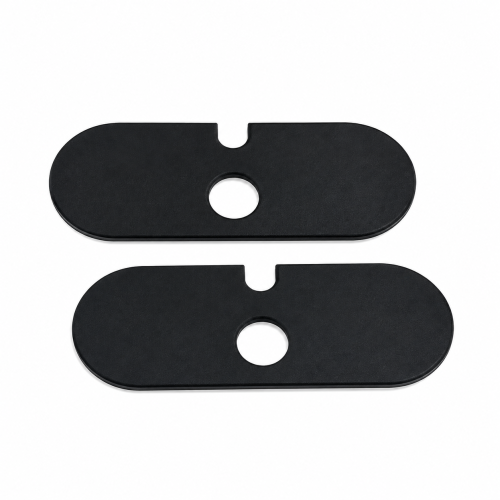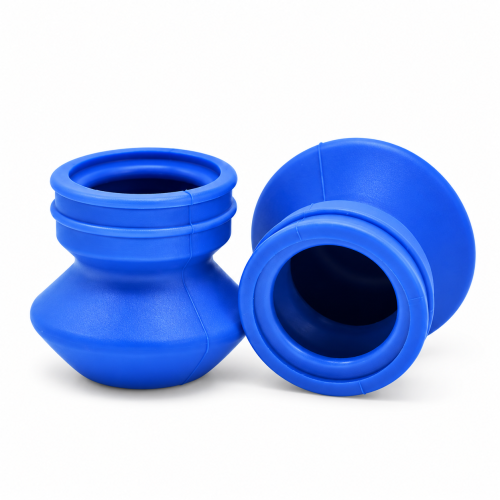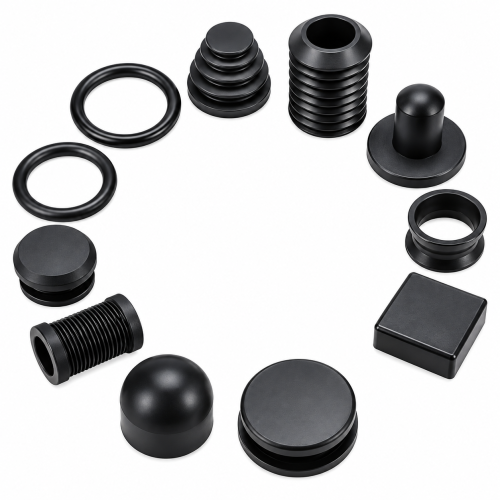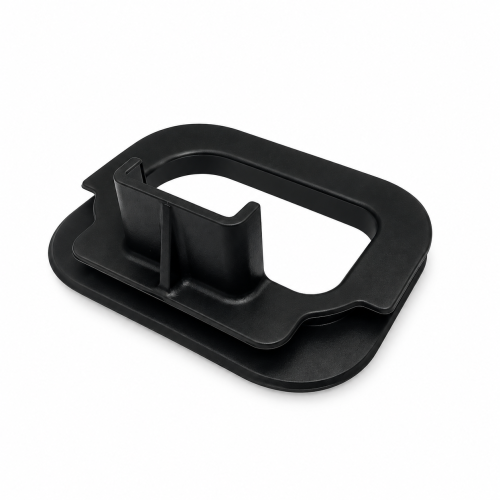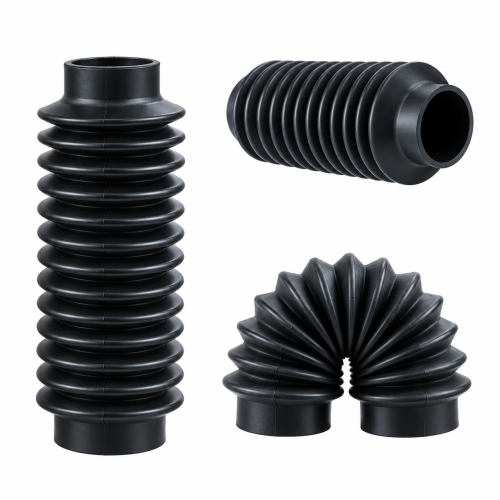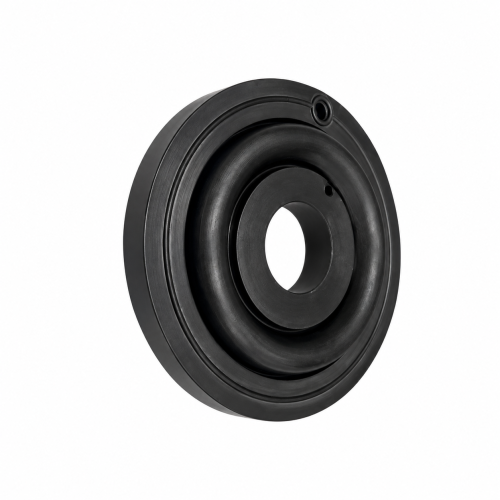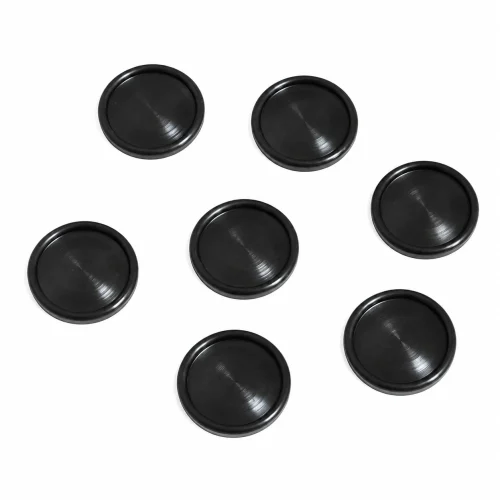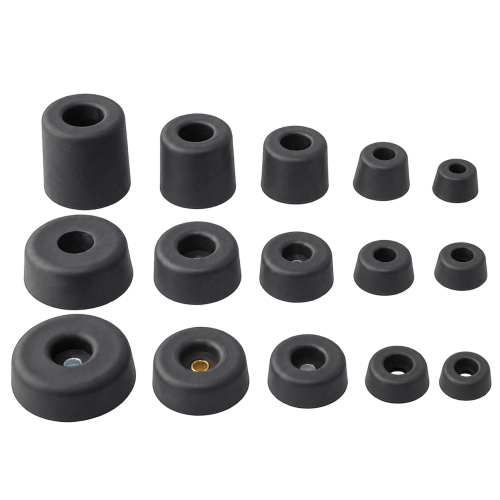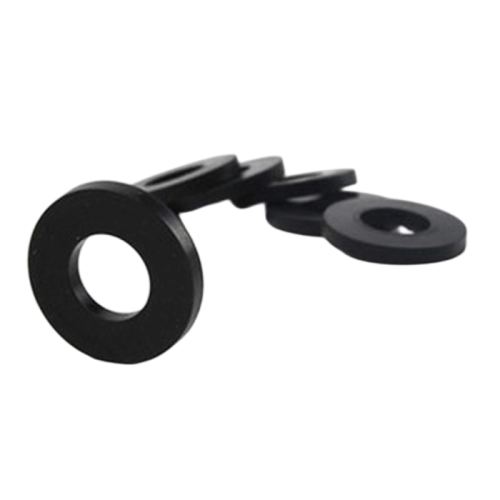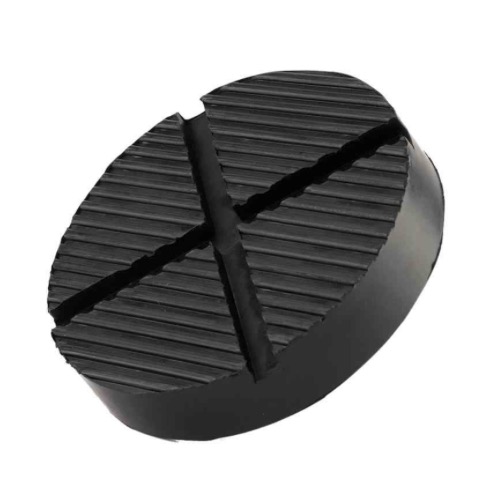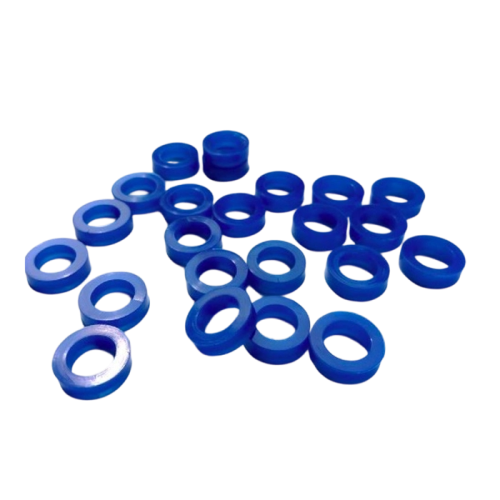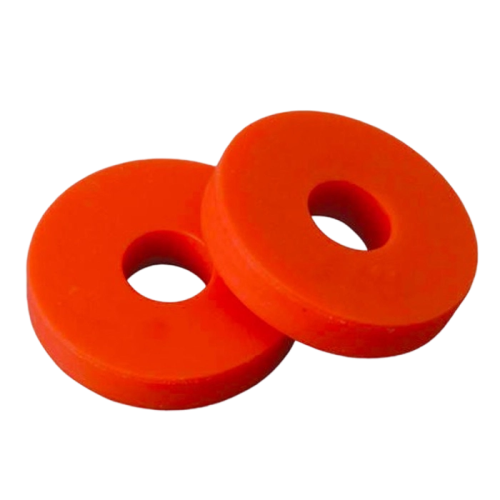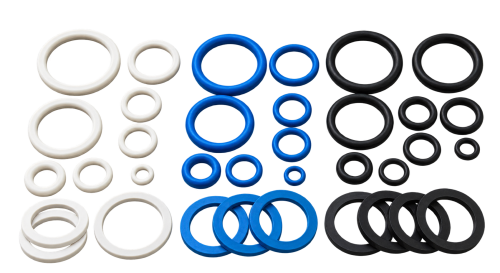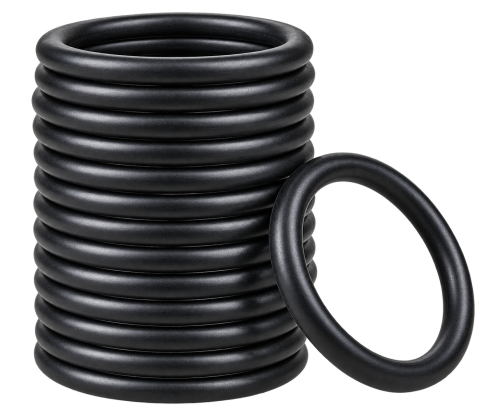
Neoprene (CR) gaskets resist ozone, sunlight, moderate oils and many chemicals while remaining flexible through temperature changes. They are commonly used for outdoor enclosures, appliance panels and vehicle body seals.
Hongjie molds and die-cuts CR gaskets at its Shenzhen factory, from prototypes through OEM production. Parts are made to customer drawings, DIN gasket dimensions or ASTM D2000 compound requirements.

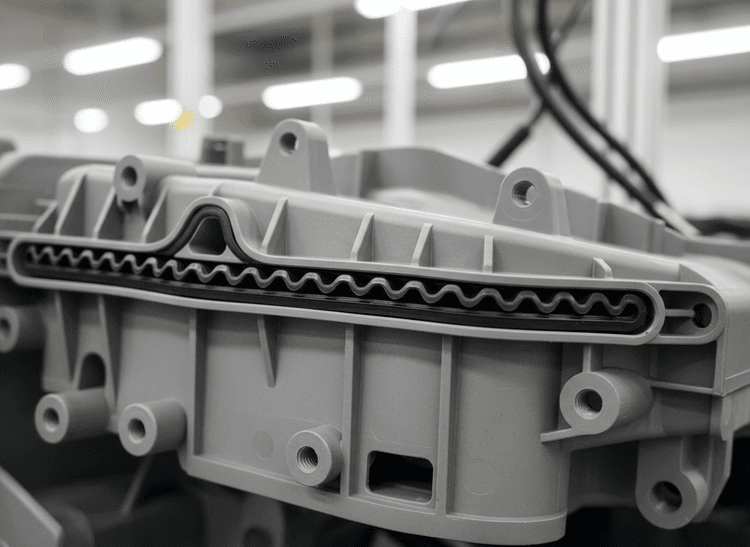
Solid CR gaskets hold up to outdoor weathering, absorb shock and vibration, and act as a flame barrier in equipment housings. We produce these by compression molding for lower-volume or thicker parts, and injection molding when tight repeatability across a large run matters more.
Sponge CR is selected by thickness, hardness and grade according to the available gap and compression force. Open- and closed-cell options can be die-cut to the ASTM D1056 grade specified on the drawing.
Closed-cell foam neoprene gasket stock seals against dust, pollen, and moisture on outdoor enclosure doors and panel edges, protecting whatever electronics or mechanisms sit behind it. Thickness is held to the drawing rather than sold off a fixed roll spec.
| Property | Typical Neoprene (CR) Range |
|---|---|
| Service temperature | −35°C to 120°C |
| Hardness | 40–80 Shore A |
| Thickness | 0.5–12mm |
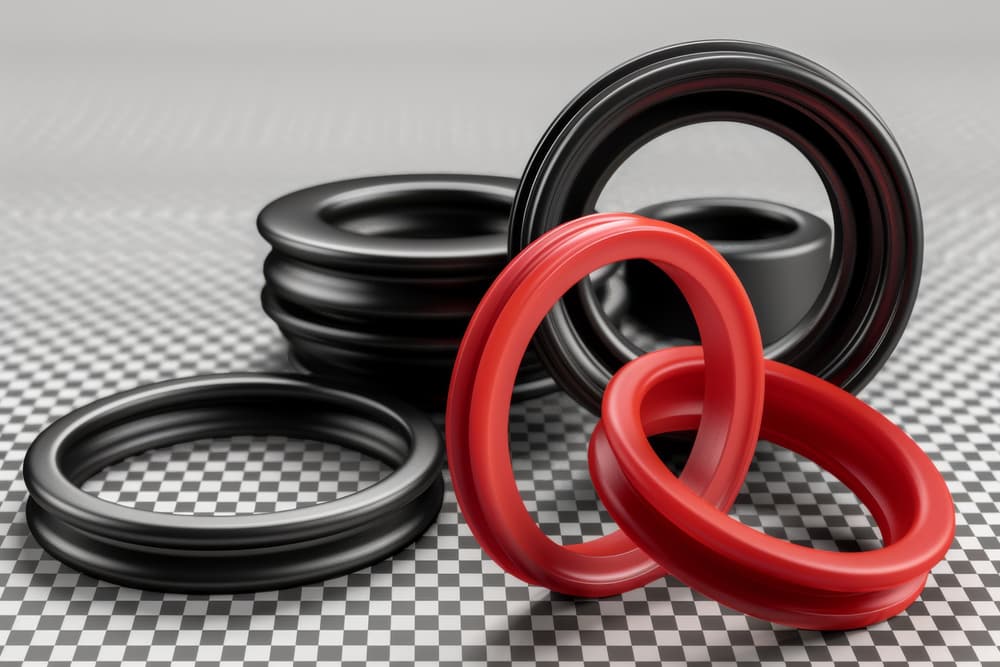
Neoprene gaskets are produced by injection molding, compression molding, die-cutting, waterjet cutting, PSA lamination or kiss-cutting. The process is selected according to the part geometry and production volume.
Molded neoprene gaskets can hold critical dimensions to ±0.05 mm. Die-cut parts are typically held to ±0.25 mm because blade and tooling clearance limit the achievable tolerance.
Production follows IATF 16949:2016 and ISO 13485:2016-certified systems, with UL certification available for electrical-use parts. For process selection between injection and compression molding, see custom rubber molding.


Panel and door-frame seals against dust and moisture: electrical enclosure sealing

Door and housing gaskets: appliance gaskets

Body and weatherstrip seals: automotive sealing applications

Enclosure and cabinet sealing: waterproof gasket applications
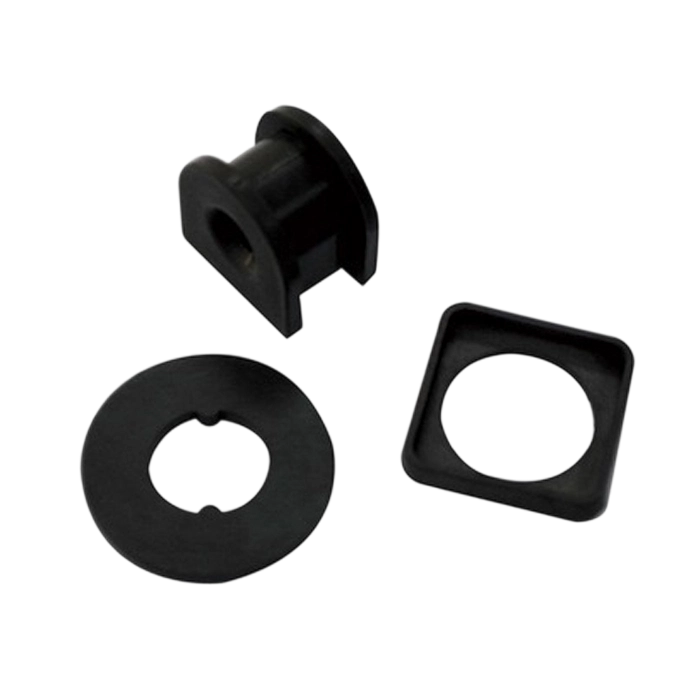
Neoprene offers a practical balance of cost, ozone resistance and weathering performance. It is not the best choice for the widest temperature range or strongest oil resistance.

Functional prototypes ship in 3–5 business days once a drawing is reviewed. Tooling lead time and cost, along with production MOQ, are quoted alongside that prototype — both depend on cavity count, gasket geometry, and whether the part is molded or die-cut, so we confirm them against your specific drawing rather than a flat rate. How rubber gaskets are made details the material and construction choices behind gasket selection.


Explore complementary sealing solutions from our comprehensive product catalog.