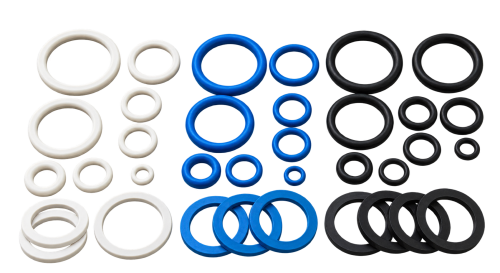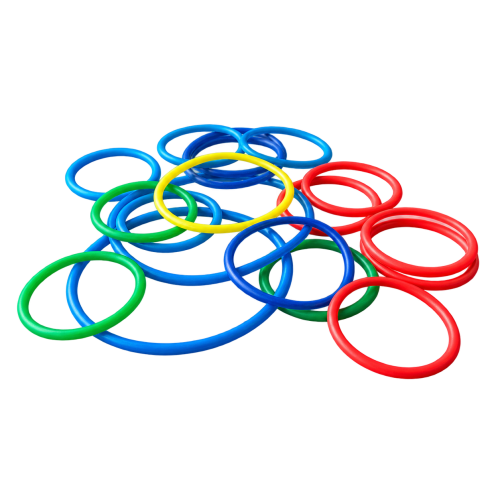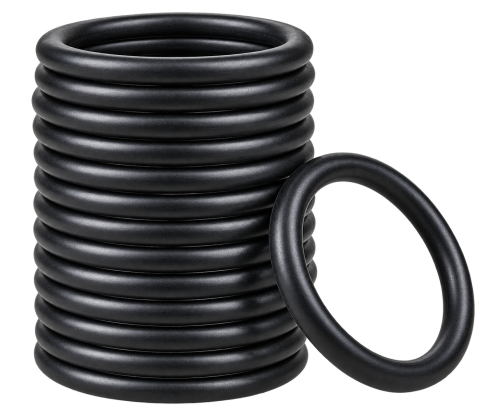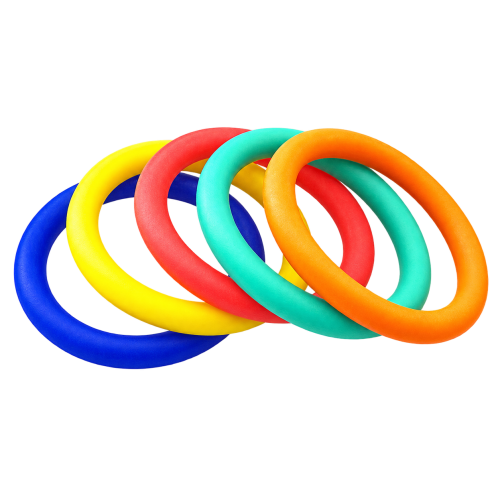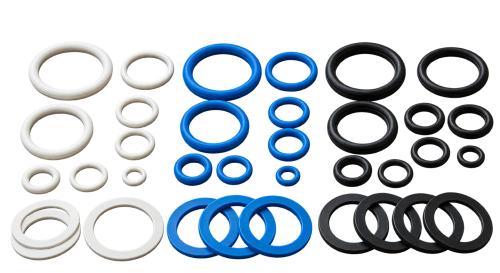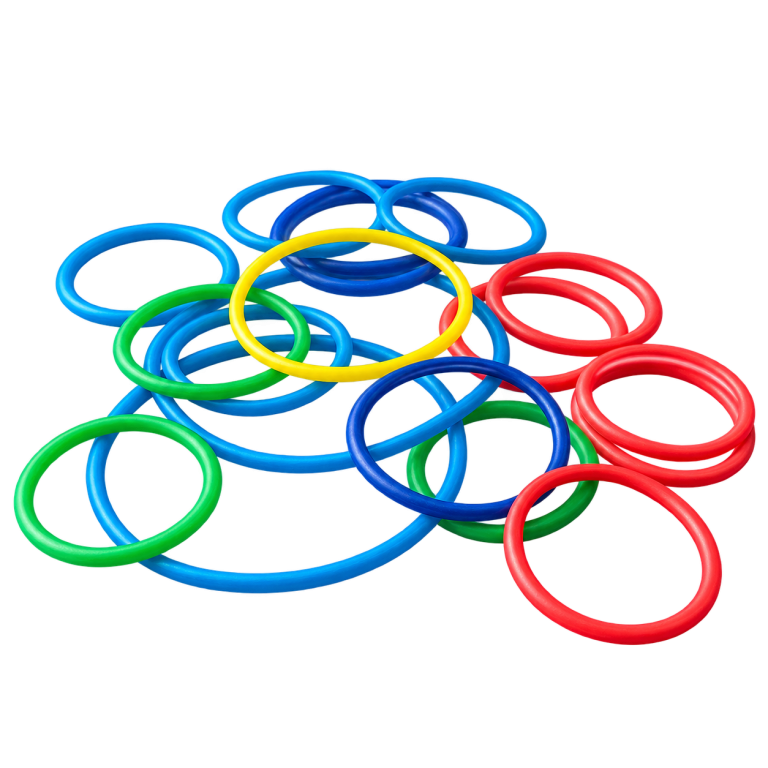

Oil-resistant O-rings for engines, hydraulic systems, gearboxes and lubricating-oil applications are molded in NBR, FKM/Viton, HNBR and polyurethane. AS568A, metric and custom sizes are available, with tolerances down to ±0.02 mm. Request a quote with your oil type, operating temperature and drawing for material and pricing recommendations.
Oil resistance depends on compound chemistry, not the ring shape or brand. The correct grade must match the oil base stock, temperature and additive package; the wrong NBR grade may swell, soften and lose its seal. Material selection should therefore come before sizing and tooling.

Oil compatibility depends on the oil base, operating temperature and additive package. The table below summarizes typical reference ranges for four common oil-contact O-ring compounds. Actual performance should be confirmed against the specific oil and compound grade.
| Compound | Oil Types Handled | Temperature Range | Typical ASTM D471 Volume Swell (IRM 903 Oil) | Durometer Options | Relative Cost |
|---|---|---|---|---|---|
| NBR (Nitrile) | Mineral/petroleum oils, engine oil, general lube oil | −30°C to +120°C | 0% to +30% | 60–90 Shore A (70A most common) | Economy |
| HNBR | Engine oil, gear oil, synthetic lubricants, additive-heavy oils | −25°C to +150°C | 0% to +15% | 70–90 Shore A | Mid-tier |
| FKM (Viton) | Hot oils, synthetic lubricants, aggressive-additive oils | −20°C to +200°C | −5% to +5% | 70–90 Shore A | Premium |
| Polyurethane (AU/EU) | Hydraulic oils, abrasive-oil environments | −30°C to +80°C | 0% to +20% | 80–95 Shore A | Mid-tier |
The usual starting point for mineral and petroleum-based oils at moderate temperatures. ACN content affects the balance between oil resistance and low-temperature flexibility.
A step up from NBR when the oil runs hotter or contains aggressive additives. It offers better resistance to oxidation, compression set and long-term heat exposure.
Best suited to high temperatures and severe additive or chemical exposure. Its lower swell and wider chemical range come with a higher material cost.
Useful in cooler hydraulic systems with frequent motion, abrasion or particulate contamination.
EPDM and silicone are better suited to water, steam and weathering exposure, but generally perform poorly with petroleum-based oils. The compound family should therefore be specified clearly rather than listed only as “rubber.”
For a broader comparison of NBR, FKM and EPDM, see NBR vs. FKM vs. EPDM O-ring compound selection.

Material selection depends on the oil type, temperature, pressure, motion and additive package in the application.
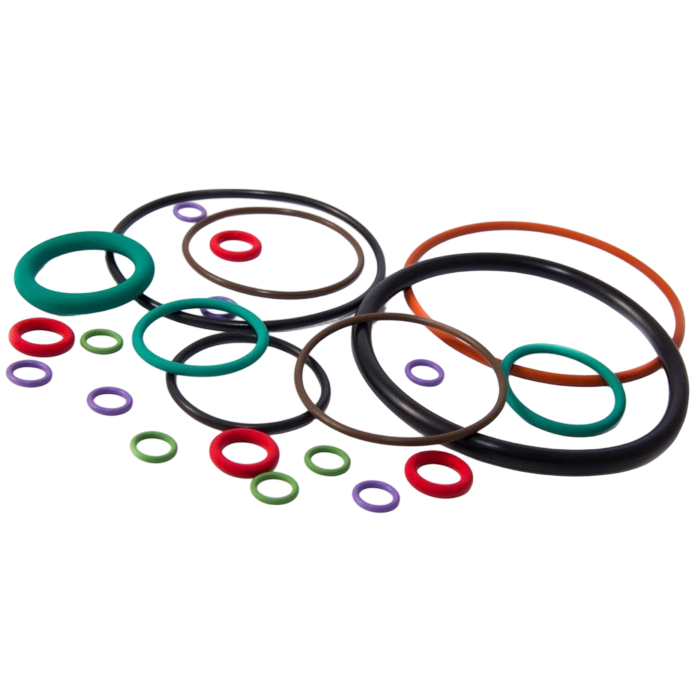

NBR is the usual starting point for engine oil at −30°C to +120°C. HNBR is considered when temperatures or additive packages exceed standard NBR limits.

NBR and polyurethane are widely used in hydraulic systems. Polyurethane is preferred when dynamic wear and particulate contamination are major concerns.

HNBR or FKM can replace NBR when gear oils run hot or contain aggressive extreme-pressure additives.
NBR performs well in intermittent oil-mist exposure, including pump shafts, compressor housings and valve bodies within its normal temperature range.
FDA- and NSF-compliant NBR or FKM grades combine oil resistance with the material documentation required for food-processing equipment.
Oil-resistant O-rings are produced by injection or compression molding in NBR, FKM/Viton, HNBR and polyurethane. Standard AS568A and metric sizes are available, along with custom cross-sections and inside diameters based on your CAD drawing.
Extrusion supports custom oil-resistant profiles and sealing strips beyond round O-rings. Rubber-to-metal bonding is also available when the oil seal forms part of a larger bonded assembly.
Durometer is selected by duty cycle, not by default:
| Durometer (Shore A) | Typical Use |
|---|---|
| 70 | General-purpose oil seal — the most common O-ring hardness |
| 80 | Higher pressure retention, reduced extrusion under load |
| 90 | High-pressure dynamic seals, abrasion-prone hydraulic service |
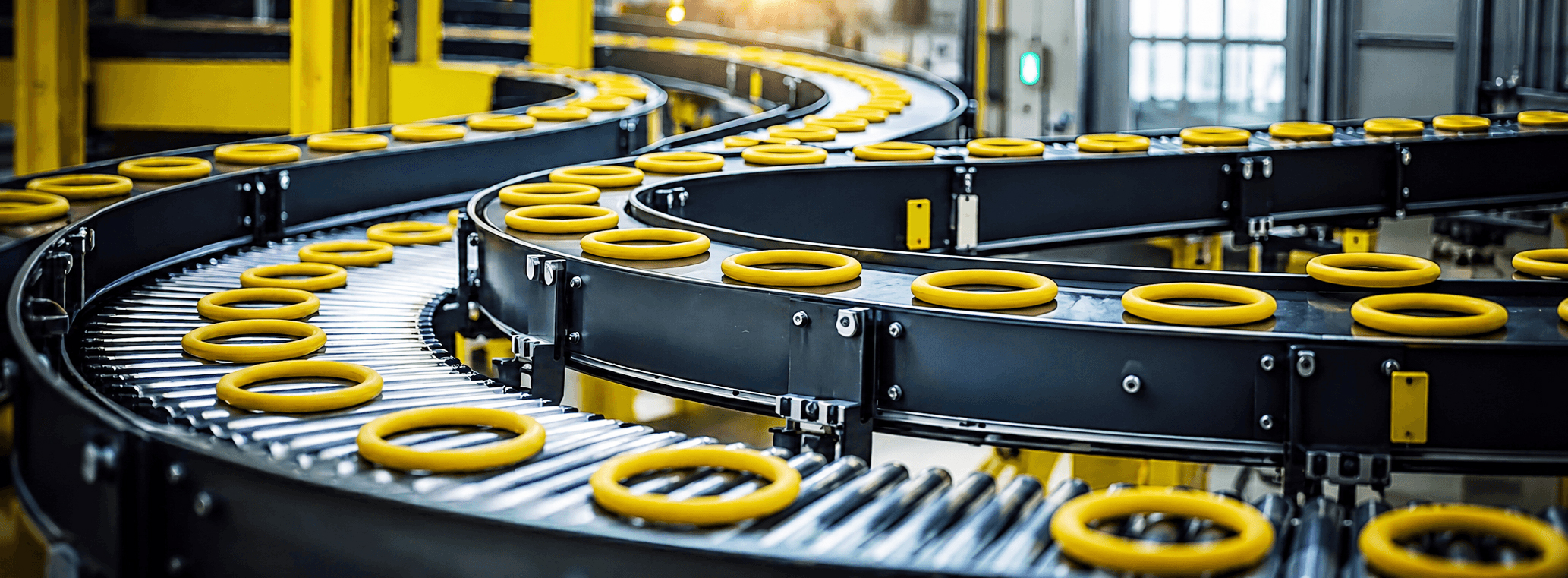
More than 3,500 existing mold tools support standard AS568A and metric sizes, helping reduce tooling cost and lead time. For non-standard geometries, a team of more than 25 engineers provides 3D CAD modeling and FEA review for groove fit, squeeze and extrusion gap.
Production runs on a semi-automated line in an 11,000 m² facility under SPC and Six Sigma methods, with a target of Cpk > 1.33 across production runs.
Functional prototypes are typically available within 3–5 business days after drawing approval. For more detail, see the engineering and mold design page and our guide to injection and compression molding for rubber parts.
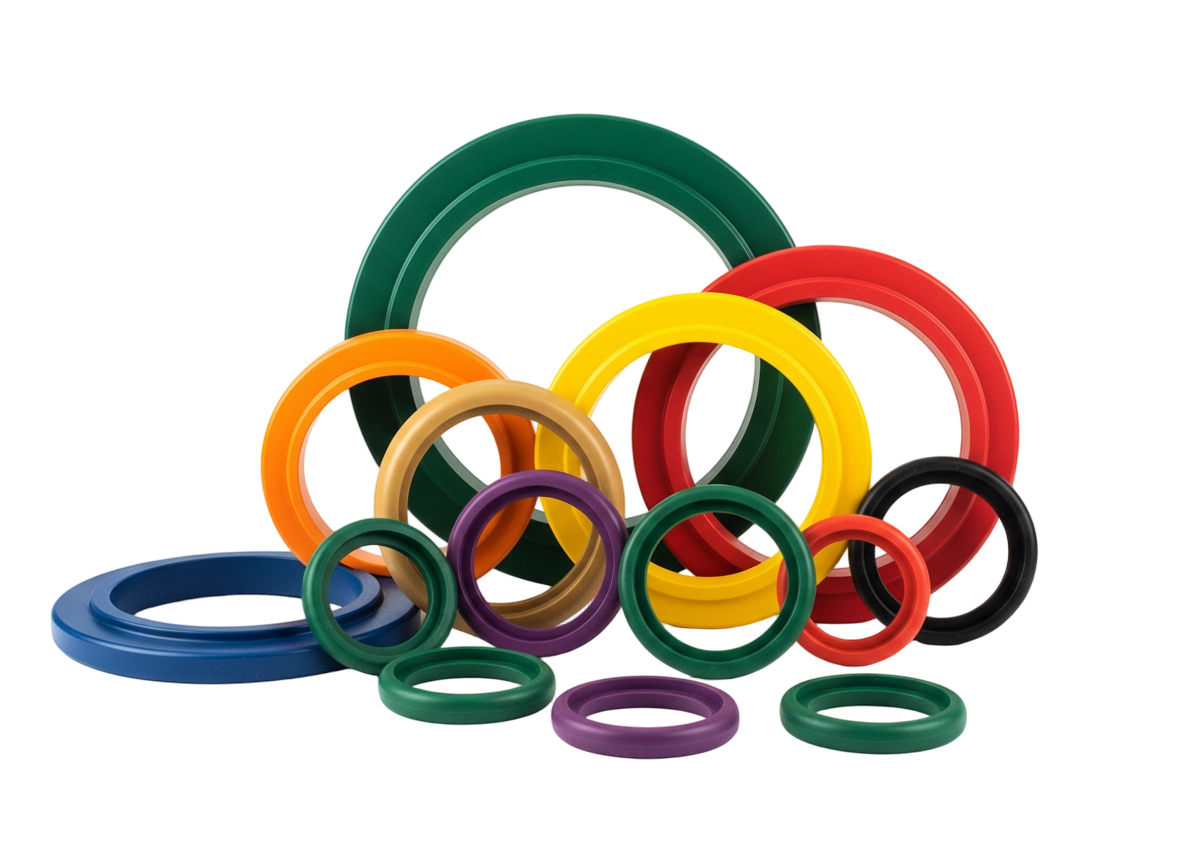
Compound selection starts with the actual exposure conditions, not a datasheet alone. Hongjie tests materials against 500+ fluids, gases, and chemicals, including oil-based fluids, residual fuel, cleaning solvents, and coolant splash. Engineering support is available when an oil or blend falls outside the standard reference fluids.
Qualification testing may include:
Production operates under IATF 16949:2016 and ISO 13485:2016 certification. FDA- and NSF-compliant grades are available when oil-contact seals also require food, beverage, or medical compliance. Production lots follow documented acceptance sampling, with SPC and Cpk targets applied throughout the manufacturing process.


Plus fully custom ID/OD/cross-section built to your drawing.

From 60 to 95 Shore A depending on compound (70/80/90 Shore A cover most oil-contact applications).

FDA- and NSF-compliant material grades where the seal also contacts food-grade or beverage-grade oils.

Drawing on 200+ proprietary rubber compound formulations.

Rubber-to-metal bonded configurations where the oil-resistant seal is part of a bonded assembly.

Access to 3,500+ existing mold tools for standard dash sizes, alongside new tooling for custom geometries.
MOQ and mass-production lead time are confirmed per drawing, compound, and order quantity — include your target volume in the RFQ for an exact figure. Prototype turnaround of 3–5 business days ahead of any production commitment.
Hongjie has manufactured rubber sealing components since 2001, exporting to 45+ countries and delivering 50M+ precision-inspected seals annually to global Tier-1 suppliers, with company and facility detail available on the about page. That production history is one input into a sourcing decision — the compound match to your specific oil is still the one that determines whether the seal actually holds.

To get an accurate quote and material recommendation, include in your RFQ: the specific oil type (engine, gear, hydraulic, synthetic lube), operating temperature range, system pressure, target durometer, and dimensions or a CAD drawing. Upload the drawing and spec for an OEM quote — a functional prototype can typically be turned around in 3–5 business days for validation before mass-production tooling and MOQ are finalized.
Request a quote with your oil-contact application details.


Explore complementary sealing solutions from our comprehensive product catalog.