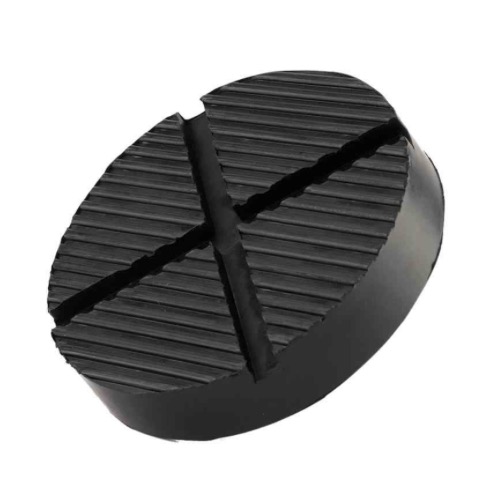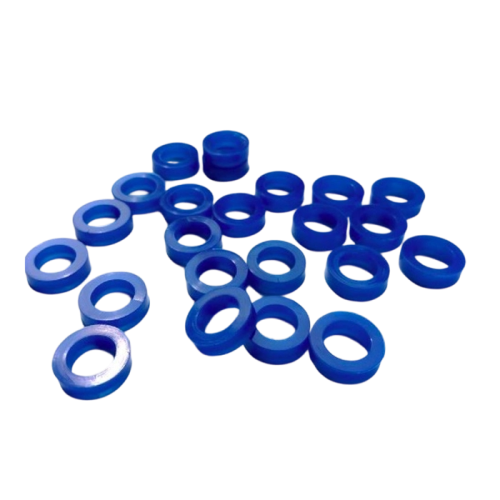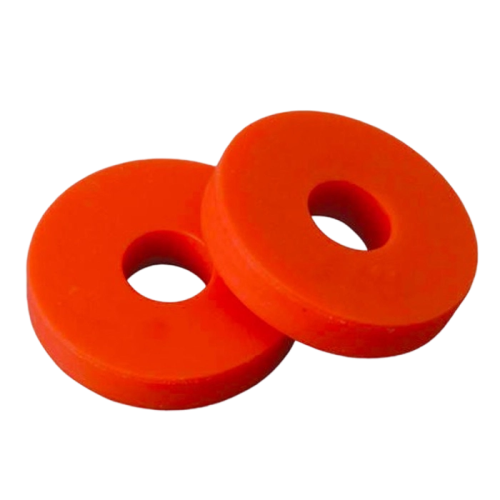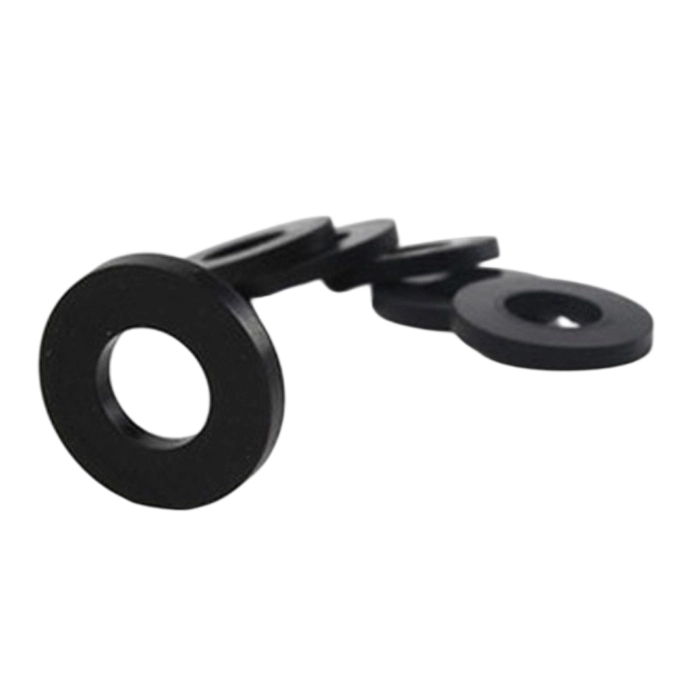
Hongjie has manufactured rubber components from Shenzhen since 2001, running an 11,000 m² facility certified to IATF 16949:2016 and ISO13485:2016. Specify inner diameter, outer diameter, thickness, compound and durometer, and we quote from your drawing — from single prototypes through wholesale OEM production volumes. Upload a drawing for a quote and get functional prototypes in as little as 3–5 business days.

Compound choice depends on the media the washer contacts, not just the bolt size. All compounds are qualified within Hongjie's overall –60°C to +325°C production range; individual grades run narrower bands as shown below.
| Compound | Typical Temp Range | Durometer (Shore A) | Oil Resistance | Water/Weather Resistance | Typical Use |
|---|---|---|---|---|---|
| NBR | –40°C to +120°C | 40–90 | Excellent | Fair | Automotive, hydraulic sealing washers |
| EPDM | –50°C to +150°C | 40–90 | Poor | Excellent | Plumbing, outdoor, water/ozone exposure |
| Neoprene | –40°C to +120°C | 40–90 | Good | Good | General-purpose weather sealing |
| FKM (Viton) | –20°C to +200°C | 60–90 | Excellent | Good | Fuel, hot oil, aggressive chemicals |
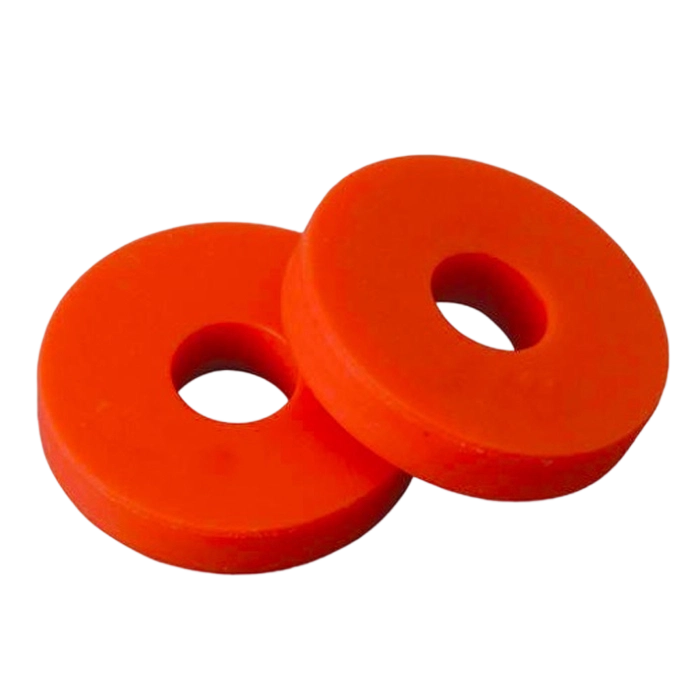
NBR washers remain the default for oil and hydraulic contact; EPDM and neoprene cover water and outdoor exposure; FKM steps in where fuel or elevated temperature is involved.
Need a silicone or FDA/NSF-grade washer instead? See Custom Molded Silicone Washers with 3D Profiles or Precision Die-Cut Silicone Washers from Sheet.

Molded washers suit complex profiles, 3D geometry or high-volume production where tooling cost amortizes over quantity. Die-cutting from sheet stock fits simpler flat washers, lower tooling cost and faster turnaround on shorter runs. The right choice depends on volume, tolerance and geometry — see Die-Cut vs Molded Rubber Washers: Cost & Tolerance for the full tradeoff.
Rubber sealing washers are built to your ID, OD and thickness, with tolerance tied to feature size and process:
| Dimension Range | Standard Tolerance | Precision Tolerance |
|---|---|---|
| 0–10mm | ±0.10mm | ±0.02mm |
| 10–25mm | ±0.15mm | ±0.05mm |
| 25–50mm | ±0.20mm | ±0.08mm |
The ±0.02mm precision tier applies to molded washers in the 0–10mm dimension range; die-cut washers and larger dimensions hold the standard tolerance column shown above. MOQ, tooling cost and mass-production lead time depend on part geometry, compound and order volume, and are confirmed during drawing review alongside the 3–5 day prototype timeline.

Certified manufacturing

UL certified for electrical applications; FDA and NSF compliant material options

Process control, targeting Cpk > 1.33

Against 500+ fluids, gases and chemicals
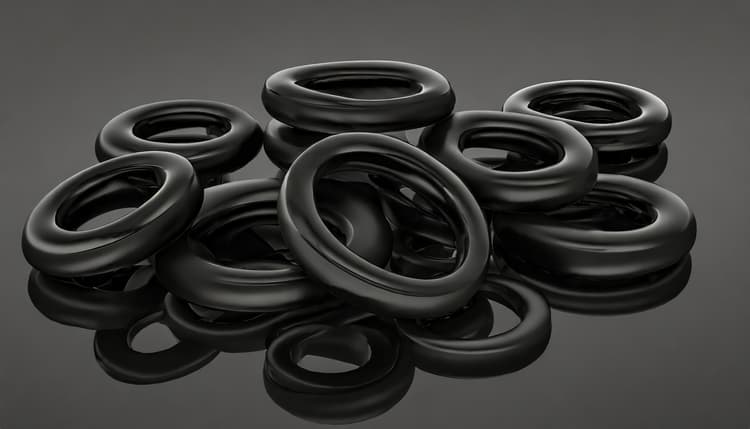

Automotive rubber washers seal fasteners and isolate vibration under hood and chassis; plumbing and electrical/appliance assemblies use washers for compression sealing around fittings and housings; general industrial use spans spacing and load distribution under bolted joints.

Send your drawing with ID, OD, thickness, compound and durometer and get an OEM quote back with tolerance and material recommendations. Functional prototypes are available in as little as 3–5 business days. Contact Hongjie's sealing engineers to start.

Explore complementary sealing solutions from our comprehensive product catalog.