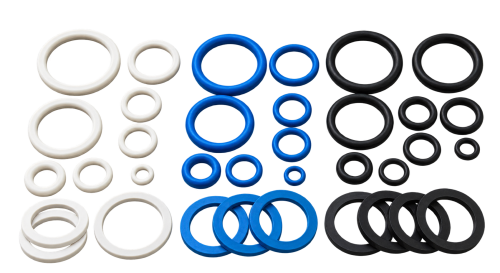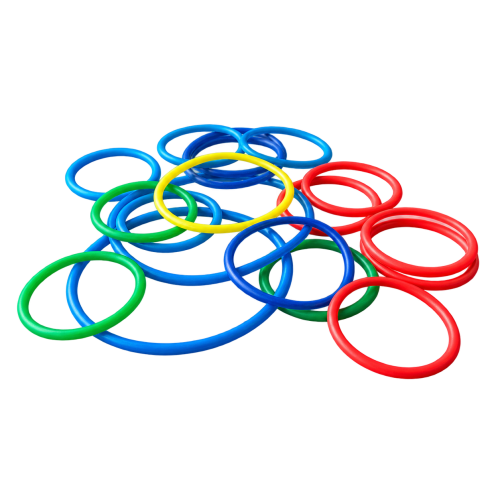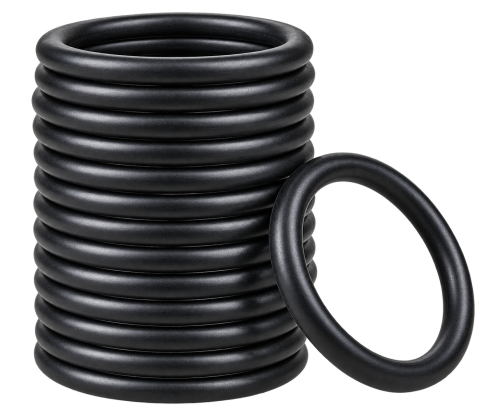
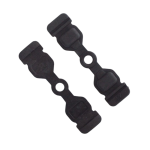
Hongjie manufactures molded rubber gaskets from its 11,000 m² Shenzhen facility. Since 2001, the company has supported OEM projects with roughly 150 employees and a 25+ person engineering team.
Send a drawing, sample or mating-surface dimensions for direct material, tooling and geometry review. For mounting-hole and panel-edge sealing, see rubber grommet gaskets for mounting holes.
Request a material and tooling review before finalizing your gasket specification.
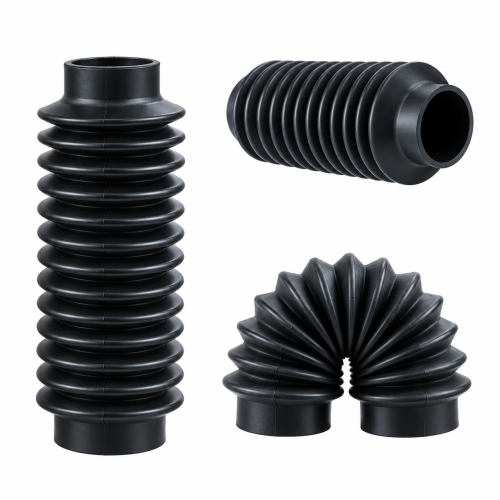
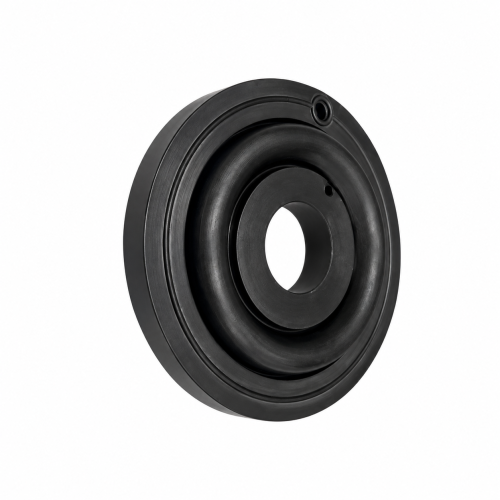
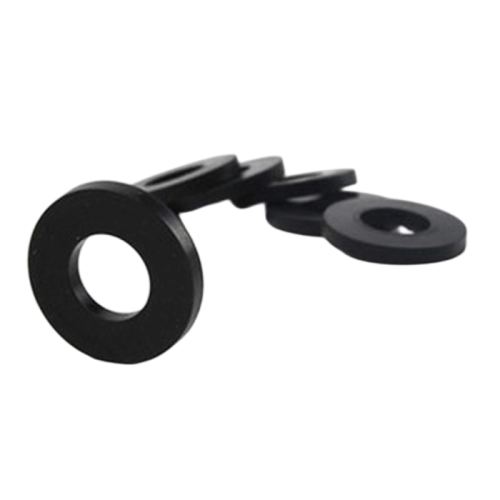
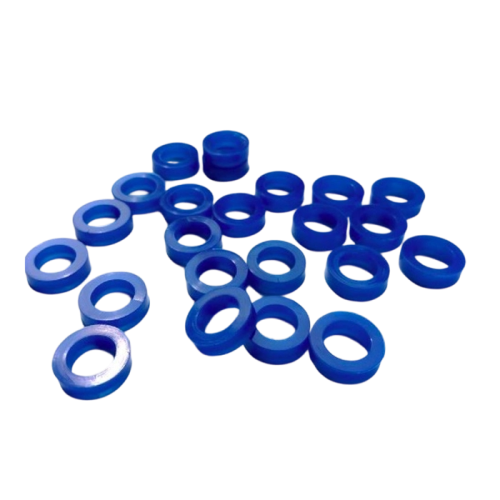
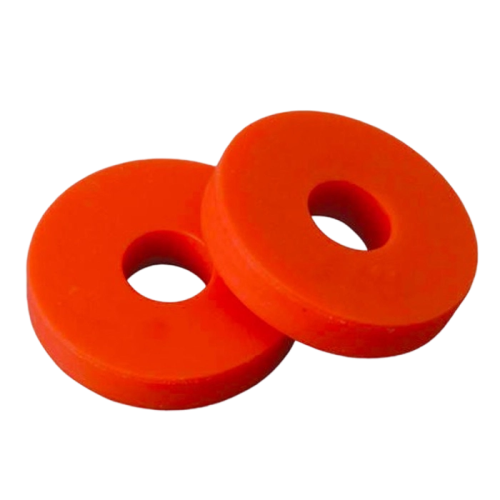
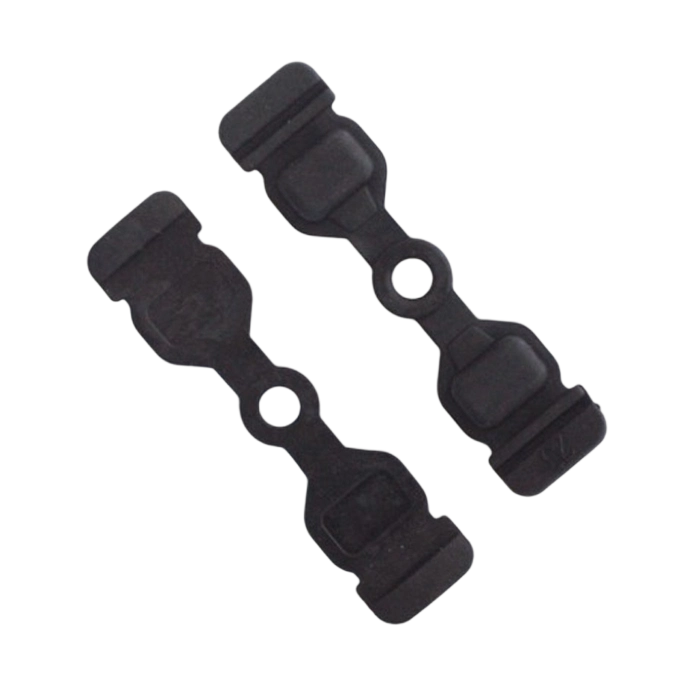
Flange gaskets, housing gaskets and cover seals are designed around the joint. Profile width, section thickness, groove depth, bolt-hole pattern and compression target are matched to the drawing.
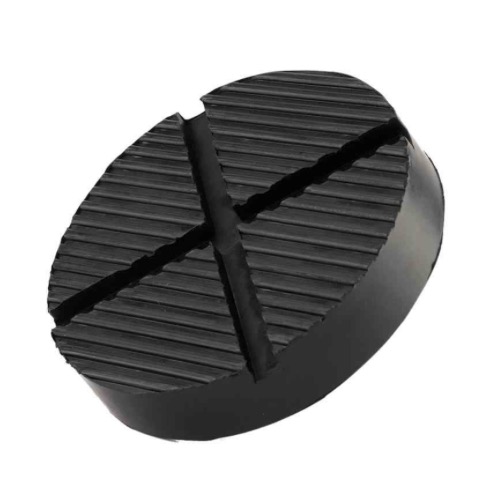
Molding can also reproduce raised beads, stepped sections and irregular perimeters that flat die-cutting cannot. The trade-off is additional tooling time, which makes molded gaskets better suited to recurring programs or geometries beyond a simple 2D ring.
Common applications include:
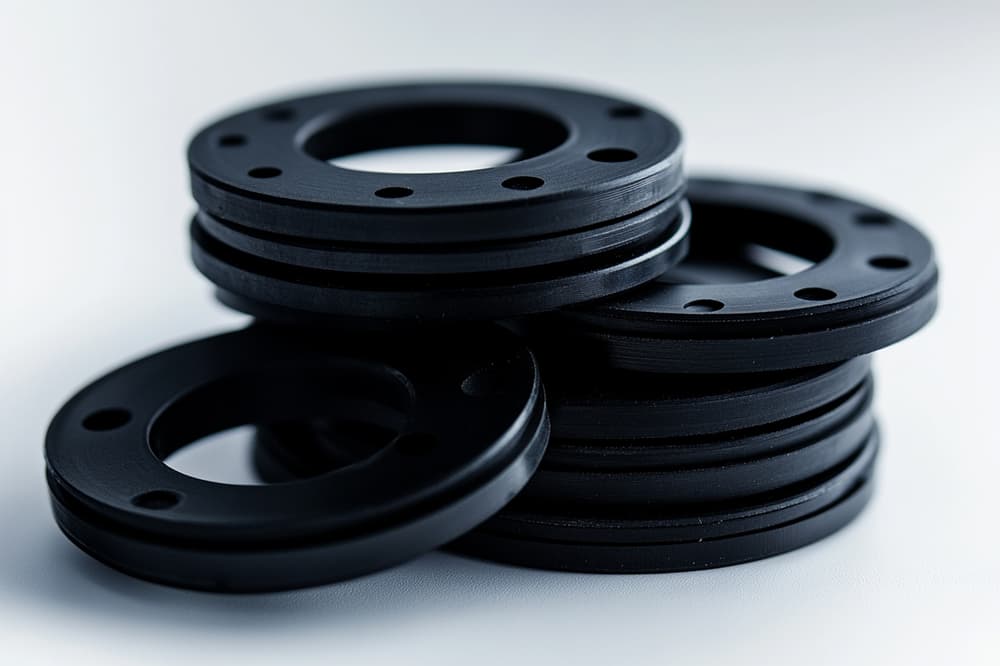

Compound selection is matched to sealing media and operating temperature, with resistance testing available against 500+ fluids, gases, and chemicals across a −60°C to +325°C range and 10–90 Shore A hardness.
| Compound | Typical Fit |
|---|---|
| NBR | Petroleum oils, general industrial |
| EPDM | Water, weathering, ozone |
| Silicone (VMQ) | Wide temperature range, FDA/NSF options |
| FKM / Viton | High temperature, fuels, chemicals |
| HNBR | Heat, oil, and mechanical load |
| Neoprene (CR) | Weathering, moderate chemical exposure |
| FFKM, SBR, Polyurethane | Specialty or project-specific media |
For compound-specific gasket requirements, see:
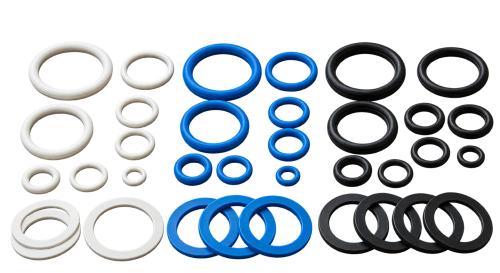
If the same compound is also needed in O-ring form, see rubber O-rings and custom rubber O-rings for drawing-based sizing.
| Nominal Sealing Dimension | Precision Tolerance | Standard Tolerance |
|---|---|---|
| 0–10 mm | ±0.02 mm | ±0.10 mm |
| 10–25 mm | ±0.05 mm | ±0.15 mm |
| 25–50 mm | ±0.08 mm | ±0.20 mm |
| 50–100 mm | ±0.10 mm | ±0.25 mm |
The tighter tolerance tier is most useful when a sealing bead has limited room to compensate for dimensional variation.
Processes & secondary operations: Injection and compression molding produce the main gasket profiles. See injection vs. compression molding for rubber parts for process selection by geometry and tooling requirements.
Die-cutting and extrusion support flat gaskets and matching sealing strips. Water-jet cutting, beading, PSA lamination and kiss-cutting are also available for secondary processing. Thickness and outside diameter are set from your drawing, while custom rubber molding supports parts from small housing seals to larger flange rings.


Across standard and metric sizing — many flange or housing geometries start from an existing tool rather than a new one.

Reviewed against the fluid, gas, and temperature spec on the drawing.

Delivered annually, exported to 45+ countries.

In 3–5 business days once material and profile are confirmed.

Drawing review, first-article evaluation, and production inspection under one roof.
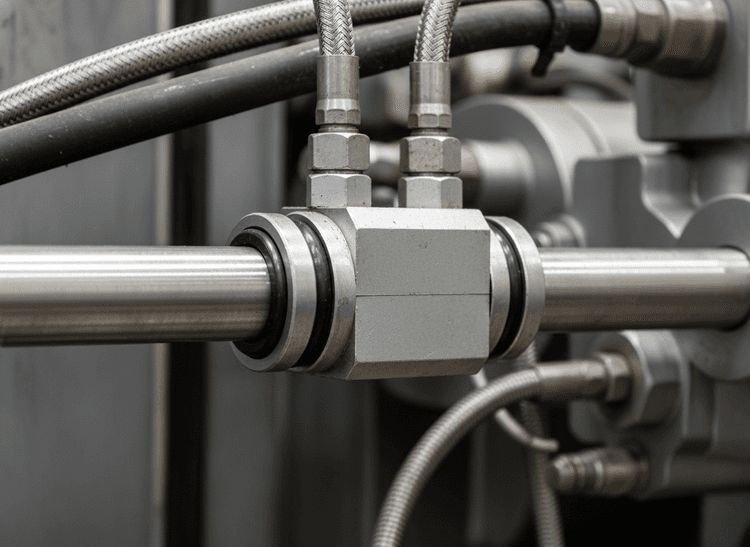
Quality control operates under IATF 16949:2016 and ISO 13485:2016 certified systems, with FDA- and NSF-compliant material options.
Production follows SPC and Six Sigma methods targeting Cpk > 1.33. Dimensional and visual inspection can follow AQL or C=0 acceptance criteria, with in-house testing for hardness, tensile strength, compression set, chemical resistance and accelerated aging before production release.
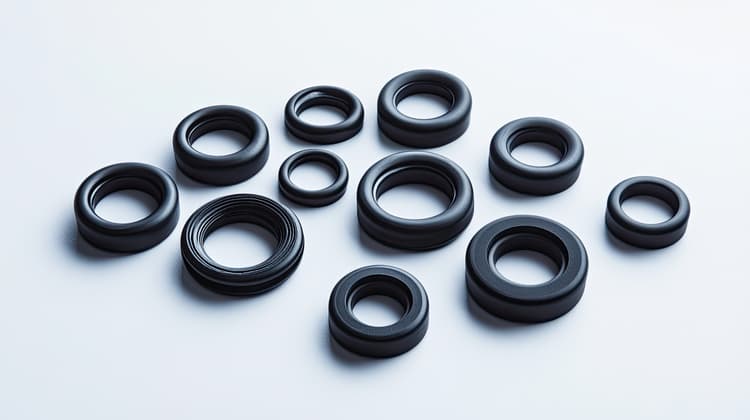

Send a drawing, sample, or mating-surface dimensions and get tooling and material feedback straight from the molding floor. Mounting-hole and panel-cutout sealing calls for a different profile — grommet-style panel gaskets, Rubber Grommet Gaskets for Mounting Holes, locate around an edge instead of compressing across a flange face.
Start a project discussion with an engineer before you commit to a spec.


Explore complementary sealing solutions from our comprehensive product catalog.