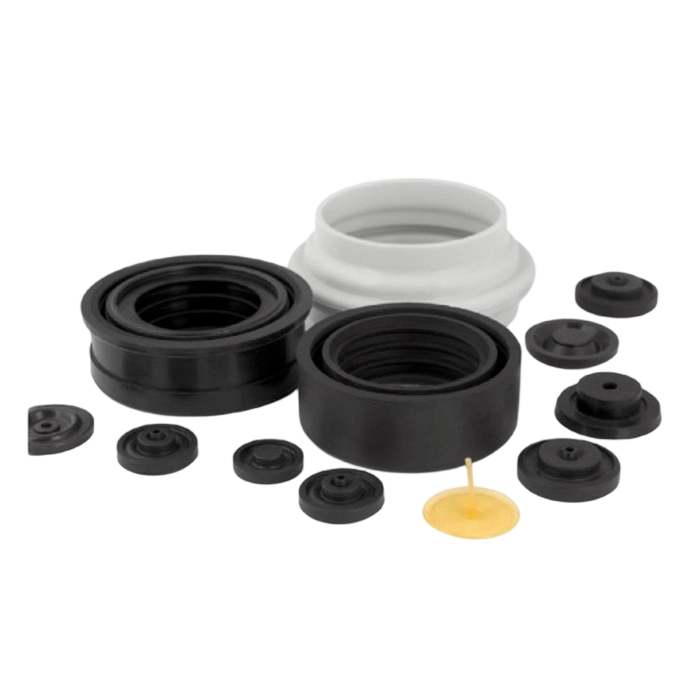
Hongjie manufactures custom rubber components from drawings, samples and assembly requirements. We support different part types, compounds and production methods, with dedicated engineering pages for gaskets, grommets, covers, bonded parts and other molded components.

Start with the part type and its job in the assembly. Each category below leads to a dedicated page for geometry, material, tooling, and production details.

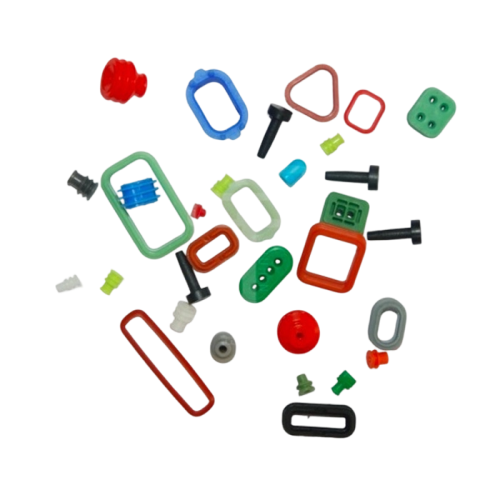
For non-standard 3D components made from drawings, CAD files, or samples, including parts with ribs, lips, cavities, and shaped profiles.

For flanges, housings, covers, and other mating surfaces where compression sealing is the main function.

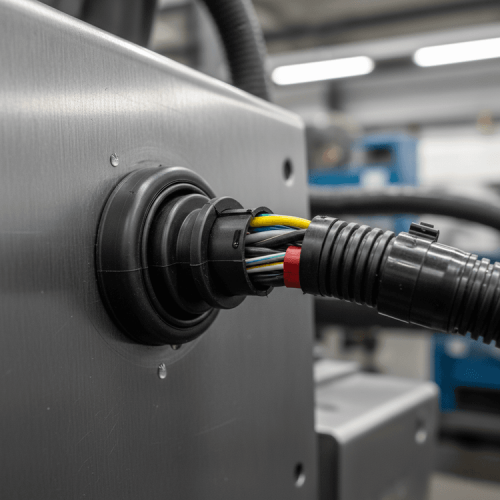
For individual wires and small wire groups passing through panel holes, with groove and panel-thickness requirements.

For closing or protecting exposed ends, ports, connectors, and equipment openings.

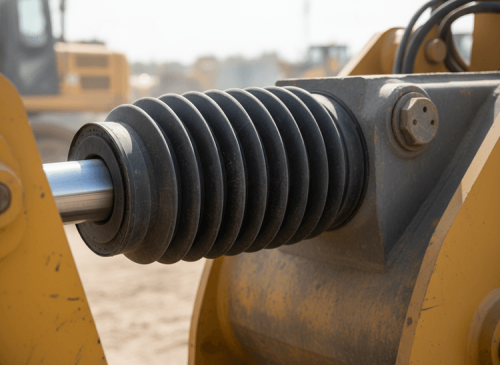
For flexible pressure-control components that move while separating media or pressure zones.

For rubber components molded or bonded to metal inserts, plates, sleeves, or mounting hardware.

Material choice should start with the working media, temperature range, outdoor exposure, and compliance needs. Part shape alone is not enough to select a compound.
| Material Selection Inputs | |
|---|---|
| Operating Media | Oils, fuels, water, chemicals, air, or other contact media |
| Temperature | Minimum and maximum service temperature for the assembly |
| Environment | Indoor, outdoor, ozone, weather, abrasion, or washdown exposure |
| Compliance | FDA, NSF, RoHS, or REACH requirements where applicable |

Send a 2D drawing, 3D file, physical sample, or key installation dimensions. Add the working environment, quantity, and inspection requirements so the RFQ can be routed to the right process.
Drawings or CAD Files
Physical Part Review
A few project details help us review the part faster and reduce unnecessary tooling changes or specification revisions.
Provide a drawing, CAD file, sample, or the dimensions that control fit in the assembly.
State the specified compound or describe contact with oil, water, fuel, chemicals, or outdoor exposure.
Include Shore A hardness when known, plus any compression, insertion, or fit requirements that affect the part.
Share prototype quantity, batch size, and expected annual demand so the production route can be reviewed.
List critical dimensions, appearance limits, test reports, or PPAP requirements that need to be included.

Inspection and documentation can be defined around the drawing, critical dimensions, and customer requirements before production starts.
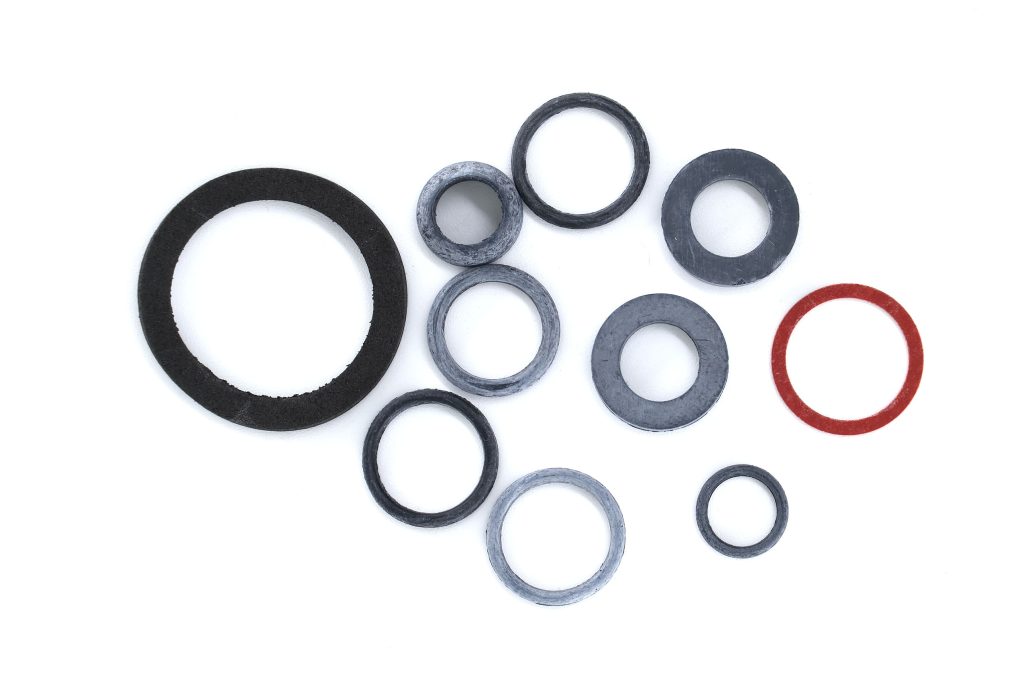
Production and inspection can be managed under IATF 16949 requirements for applicable projects.
Critical dimensions, appearance checks, and functional inspection points can be agreed before production.
PPAP Level 3 documents can be prepared when required by the project.
Hongjie operates an 11,000 m² facility with annual production capacity of more than 50 million rubber components.

Explore complementary sealing solutions from our comprehensive product catalog.
Our engineering team reviews your specs and responds within 24 hours with material recommendations and competitive pricing.