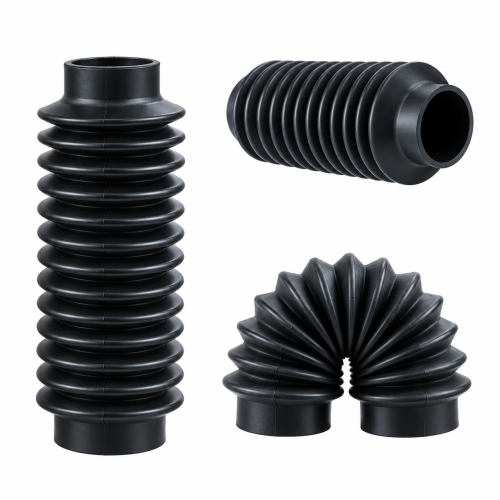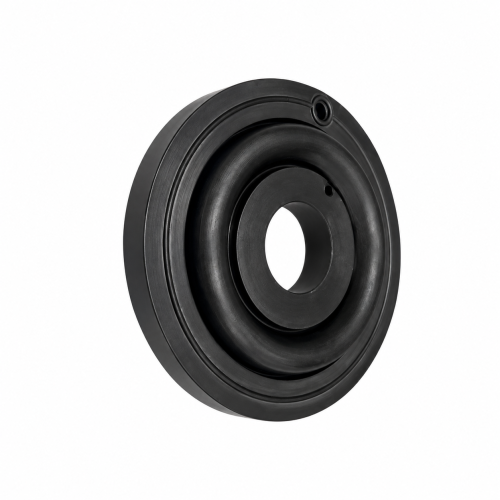

Full-service OEM rubber manufacturing from prototype to production — compound selection, tooling, molding, rubber-to-metal bonding and inspection under one roof, for engineering and sourcing teams that already have a drawing in hand.

Hongjie holds IATF 16949:2016 and ISO13485:2016 certification, works with UL-certified, FDA and NSF compliant compounds, and runs an 11,000 m² Shenzhen facility shipping 50M+ precision-inspected parts a year to 45+ countries.
| Dimension Range | Standard Tolerance | Precision Tolerance |
|---|---|---|
| 0–10mm | ±0.10mm | ±0.02mm |
| 10–25mm | ±0.15mm | ±0.05mm |
| 25–50mm | ±0.20mm | ±0.08mm |
| 50–100mm | ±0.25mm | ±0.10mm |
Send your drawing to confirm certification, compound and tolerance fit — start a project discussion.

We review 2D drawings, STEP/IGES files or physical samples before tooling begins. Wall thickness, undercuts, parting lines, demolding direction, critical dimensions and flash-sensitive areas are checked during DFM review.
Tooling cost, mold lead time and MOQ depend on the part geometry and cavity count. These details are confirmed after the design review rather than quoted as a fixed rate.
Material choice is driven by operating temperature, media exposure, hardness and compliance requirements (FDA, NSF, RoHS). NBR, FKM, EPDM, silicone, HNBR and neoprene cover most industrial and medical specifications; less common elastomers are pulled from our 200+ compound library.
Injection, compression and transfer molding suit different part geometries, production volumes and tolerance requirements. See injection and compression molding for rubber parts for the main cost and process differences.
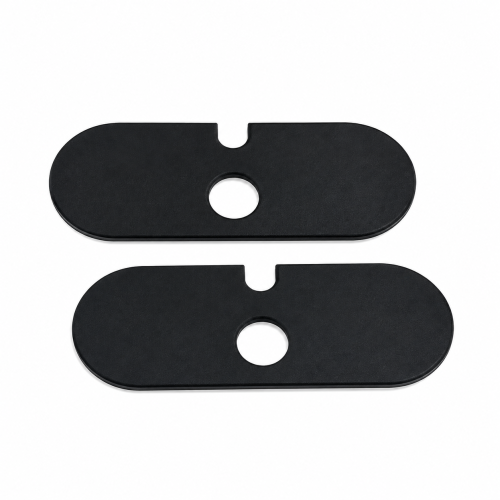
die-cutting versus molded rubber washers explains when sheet cutting can reduce tooling cost and lead time.
Production runs under SPC and Six Sigma methods targeting Cpk > 1.33. Testing capability covers hardness, tensile strength, compression set, chemical resistance and accelerated aging, with AQL, C=0 or PPAP documentation available when specified.
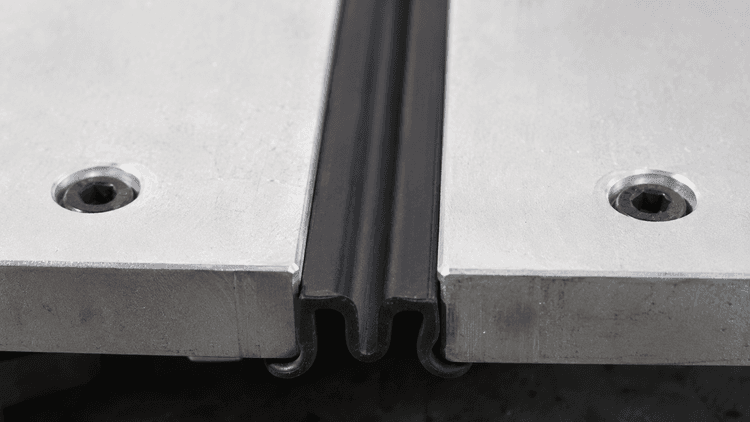
Beyond molding, Hongjie bonds rubber to metal inserts for mounts and structural components. Secondary services include waterjet cutting, PSA lamination, kiss-cutting and kitting for parts that need additional preparation before shipment.
Using one supplier means a bonded bracket, die-cut gasket and injection-molded grommet can be reviewed under the same DFM process, with one set of inspection records covering the complete assembly.
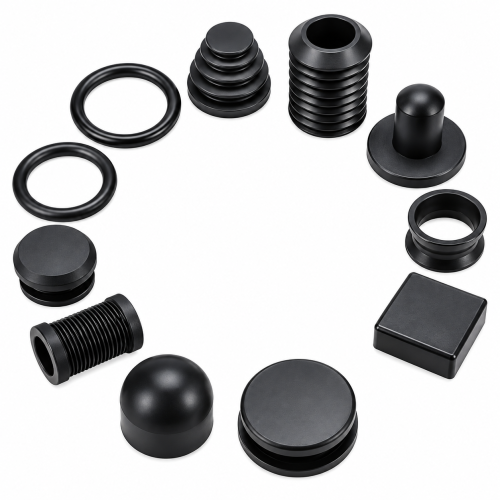
Browse molded, extruded and bonded rubber components for sealing, protection and mounting applications.

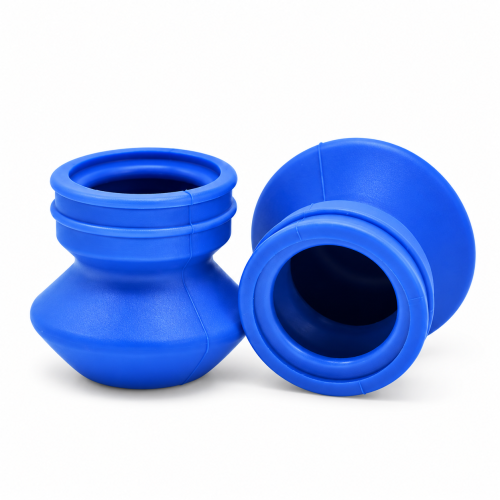
Precision components molded to a drawing or sample, from prototype through production.

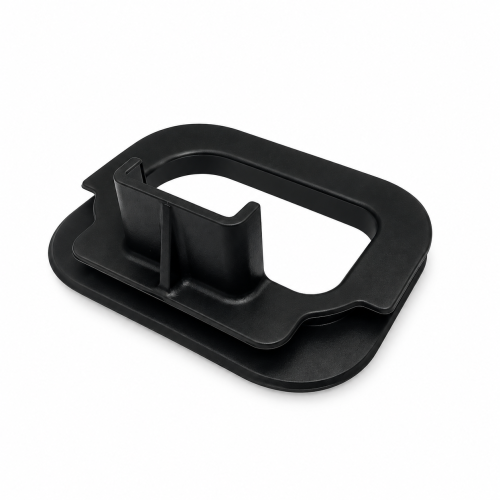
Clips, edge protectors and custom-profile parts outside standard O-ring and seal geometries.

FDA- and NSF-compliant silicone seals for medical OEM assemblies and demanding sealing applications.

General-purpose silicone parts for industrial and consumer assemblies beyond medical applications.
Pass-through grommets sized for wire harness openings and small cable entries.
Continuous extruded profiles cut to length for panel, door and enclosure sealing.
Flange and housing gaskets molded to the required compression set, dimensions and bolt pattern.
Bonded mounts and brackets combining rubber flexibility with the strength and stability of metal inserts.


Wire-harness grommets, O-rings and diaphragms in NBR, HNBR or silicone; PPAP support is available for diaphragm programs.

Molded seals and silicone components in FDA- and NSF-compliant silicone (VMQ), produced under ISO13485:2016-aligned process controls.

Washers, gaskets and covers in EPDM, NBR or silicone, with dimensional inspection reports matched to the drawing.

O-rings, seals and bonded mounts in FKM, NBR or HNBR, with AQL or C=0 acceptance sampling available on request.

Upload your drawing for an OEM quote and we'll confirm DFM feedback, compound options and prototype timing (3–5 business days) before tooling starts. Get your quote and prototype timeline.

Explore complementary sealing solutions from our comprehensive product catalog.