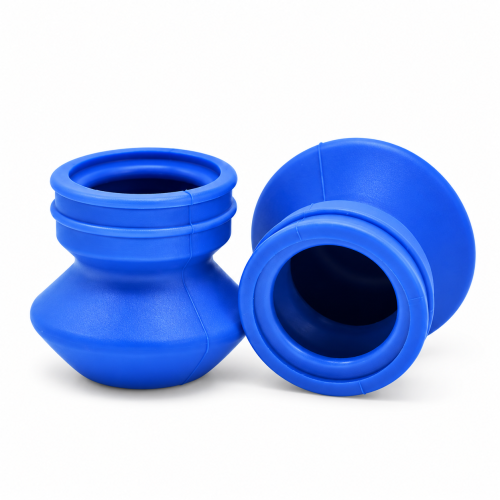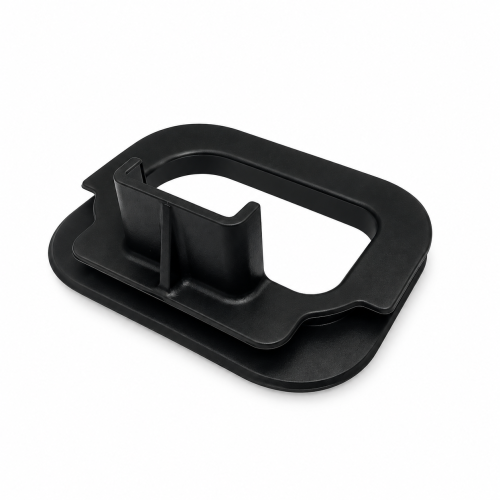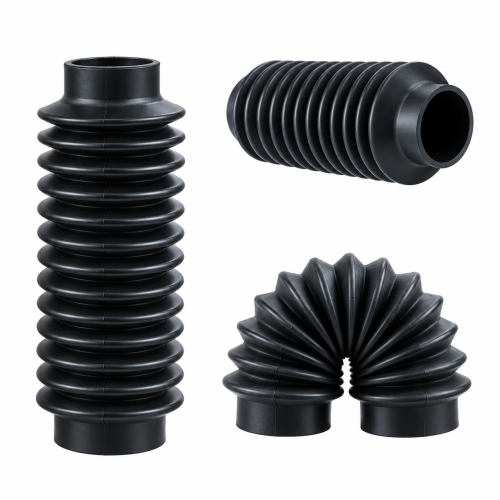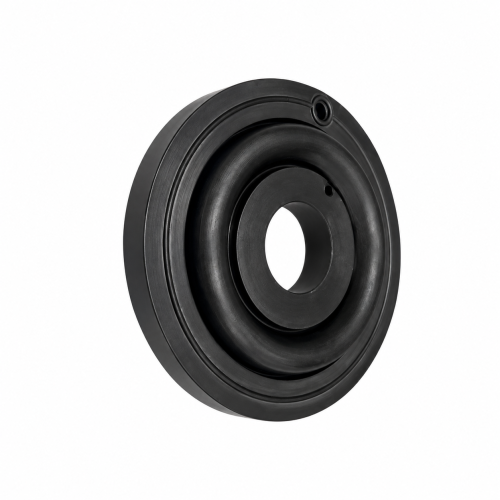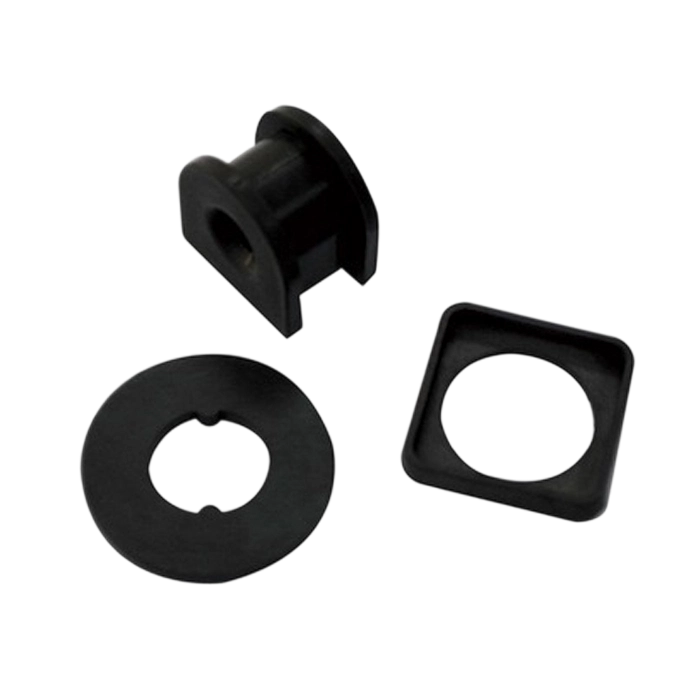
Hongjie molds precision rubber and silicone parts in NBR, EPDM, FKM, VMQ and other compounds, holding ±0.02mm tolerance on features under 10mm and consistent process control across every production run.

Critical features under 10mm are held to ±0.02mm; larger dimensions follow the tolerance bands below.
| Dimension Range | Standard Tolerance | Precision Tolerance |
|---|---|---|
| 0–10mm | ±0.10mm | ±0.02mm |
| 10–25mm | ±0.15mm | ±0.05mm |
| 25–50mm | ±0.20mm | ±0.08mm |
| 50–100mm | ±0.25mm | ±0.10mm |
Production runs are controlled with Statistical Process Control and Six Sigma methods, targeting Cpk > 1.33.

Material selection is usually driven by exposure: NBR for oil and fuel, FKM for high heat and aggressive chemicals, and EPDM for weathering and ozone resistance. Our guide to choosing between NBR, FKM and EPDM O-rings explains the main trade-offs.
For material-specific product options, see EPDM rubber parts, NBR rubber parts and silicone molded rubber parts.


Medium-to-high-volume parts with consistent cavity-to-cavity dimensions.

Larger cross-sections and lower-volume geometries.

Parts requiring a bonded metal insert or carrier.
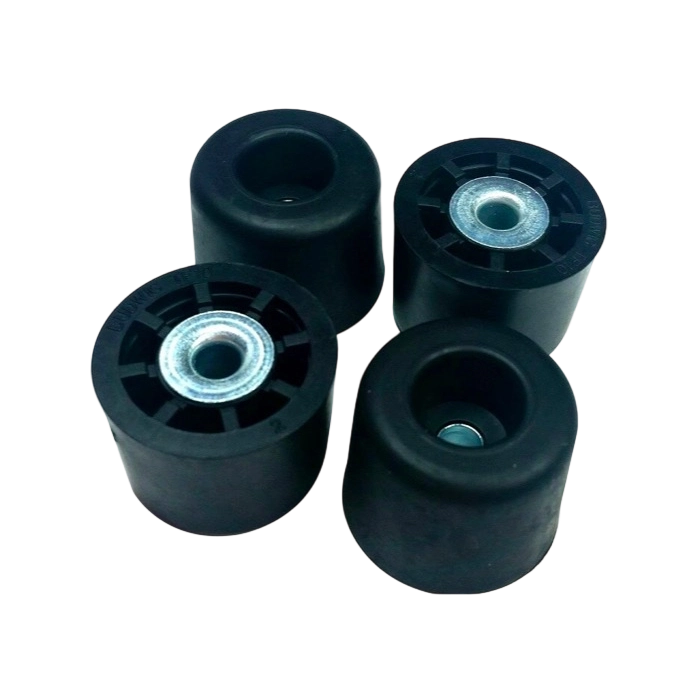
Injection molding is generally suited to high-cavity, high-volume production, while compression molding works well for thicker cross-sections and shorter runs. Our guide to injection and compression molding for rubber parts compares the two processes.
Tooling can be configured with a single cavity or multiple cavities according to the target production volume.
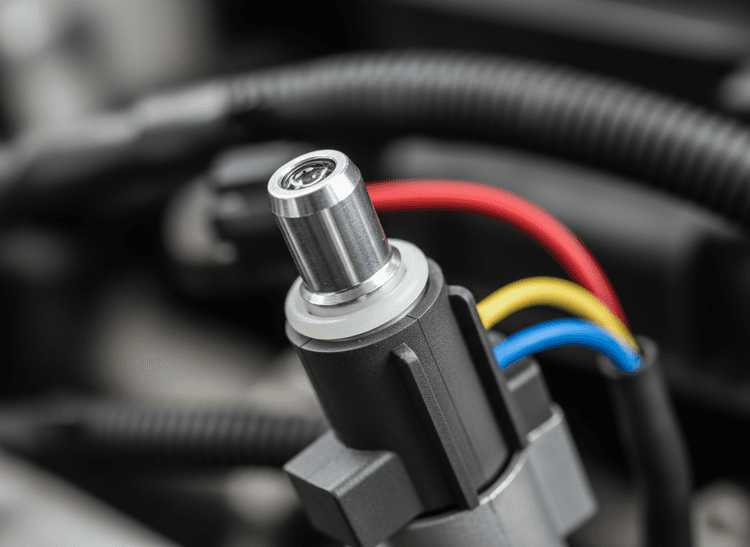
3D CAD and FEA modeling support groove and geometry design before tooling is cut, working from STEP or IGES files. Functional prototypes are available in 3–5 business days, so fit and function can be checked before committing to production tooling.
| Item | Detail |
|---|---|
| File formats accepted | STEP, IGES, 2D drawing, or approved sample |
| Prototype lead time | 3–5 business days |
| Production lead time | Confirmed at RFQ, based on part geometry and volume |
| Tooling lead time | Confirmed at RFQ, based on cavity count and complexity |
| Tooling cost | Confirmed at RFQ, based on cavity count and complexity |
| MOQ | Confirmed at RFQ, based on part and compound |
| Inspection | First article inspection and dimensional checks against the approved drawing; PPAP documentation available for automotive programs |
| Testing capability | Hardness, tensile strength, compression set, chemical resistance, accelerated aging |
Need an exact tooling lead time or MOQ for a specific part? Request a Quote with the drawing, compound, and target volume.

Production follows IATF 16949:2016 and ISO 13485:2016 certification, with UL certification for electrical applications and FDA- and NSF-compliant compounds for food-, water- and medical-contact parts.
Automotive Quality System
Medical Device Quality System
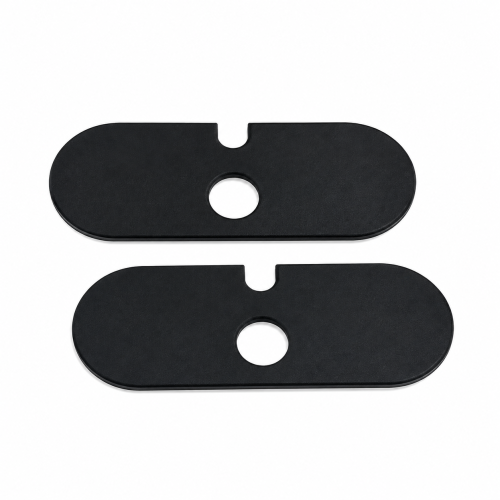
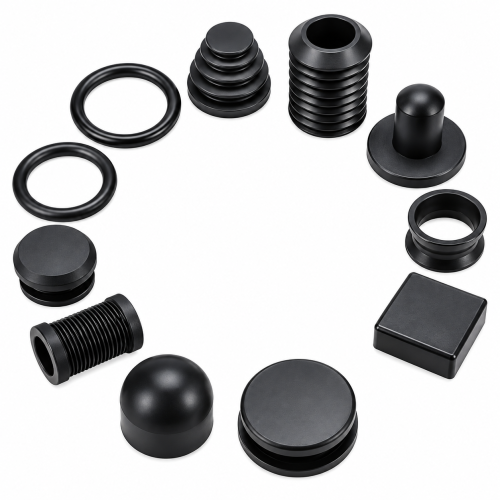
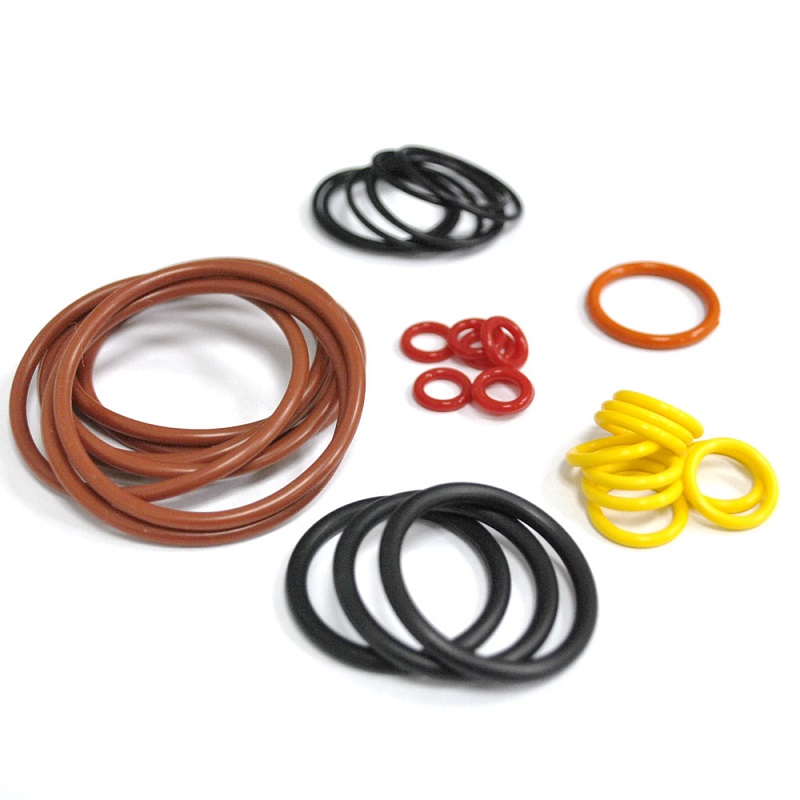
Molded rubber parts from this process are used in automotive, medical, appliance, hydraulic and general industrial assemblies. Common examples include custom rubber washers and sealing discs for flat interfaces and rubber gaskets for mounting holes.
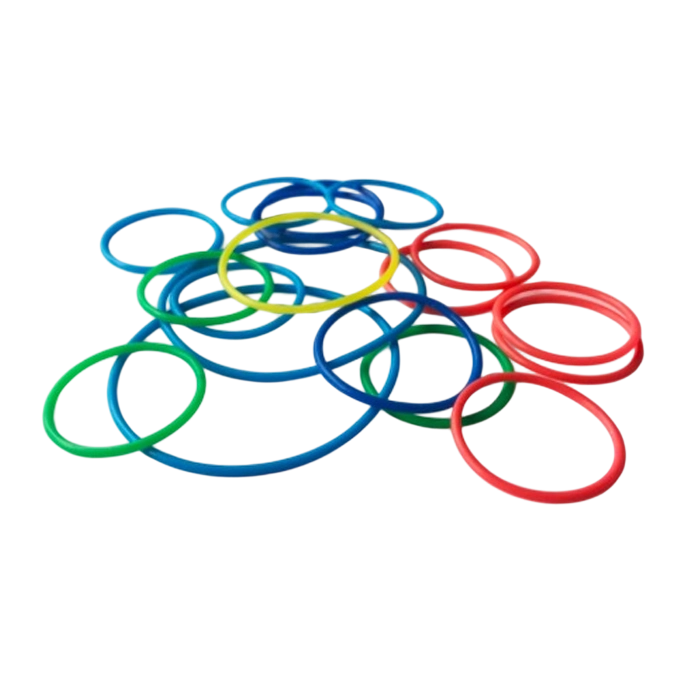
O-rings and standard rubber profiles can be ordered alongside custom-molded components through the same custom rubber parts program.
For suitable flat parts, die-cutting can reduce tooling cost and provide tighter dimensional control at higher volumes than compression molding. See our comparison of die-cut and molded rubber washers for the cost and tolerance differences.

Send a drawing or 3D model in STEP, IGES, or PDF format, along with the compound, tolerance, and load or media requirements. Drawings are reviewed by engineering before tooling and pricing are quoted, and functional prototypes typically follow in 3–5 business days.


Explore complementary sealing solutions from our comprehensive product catalog.