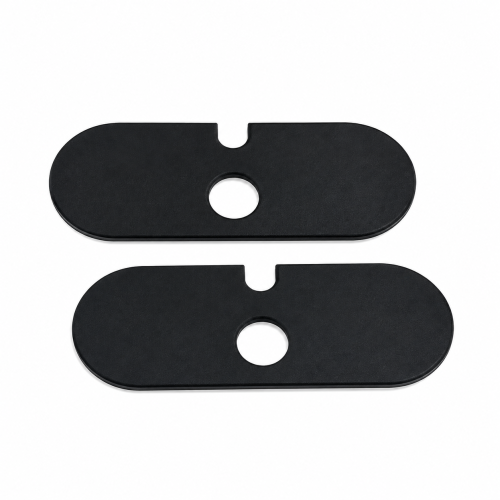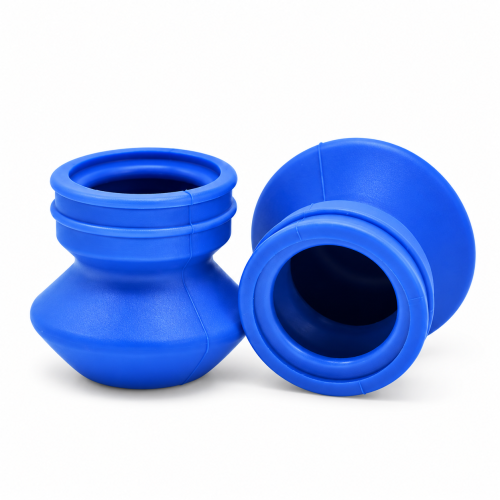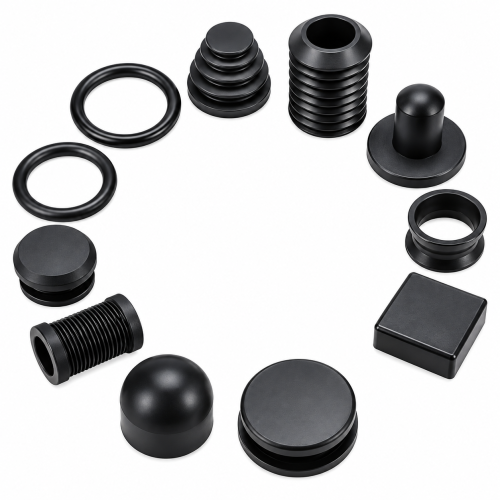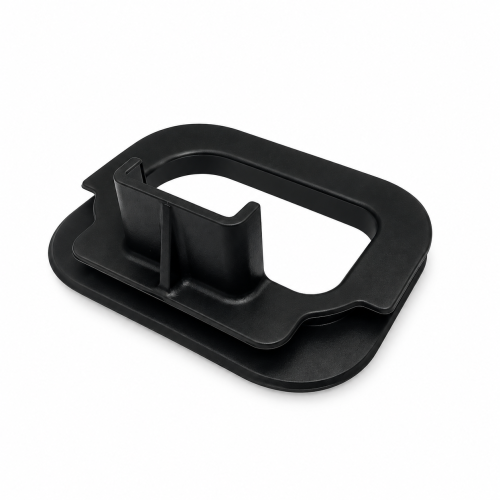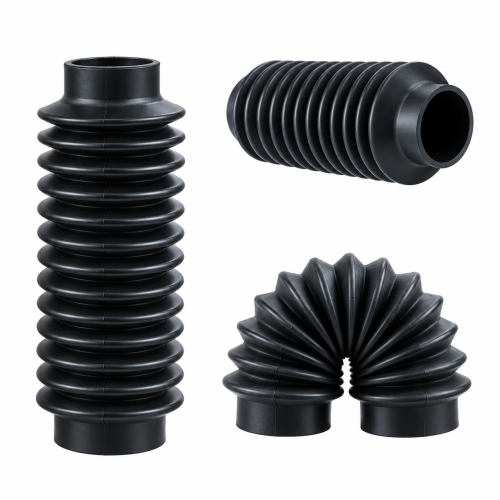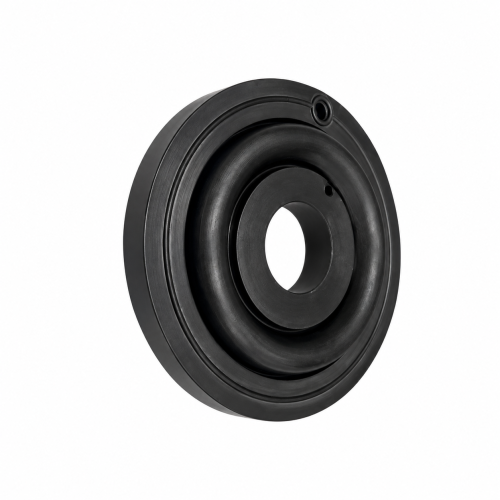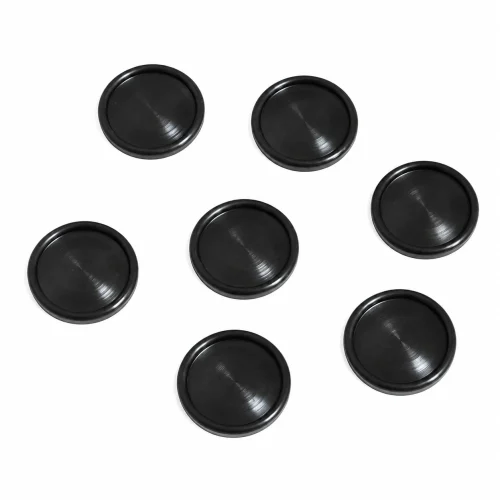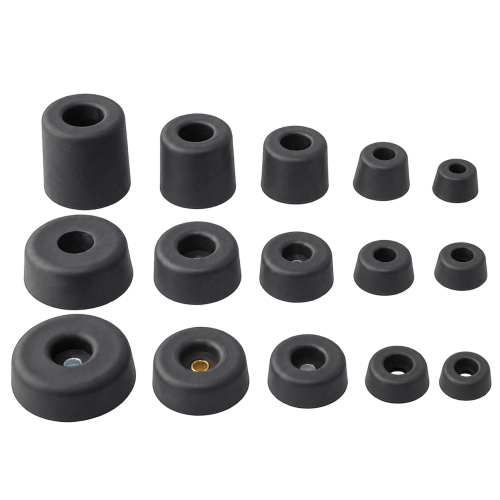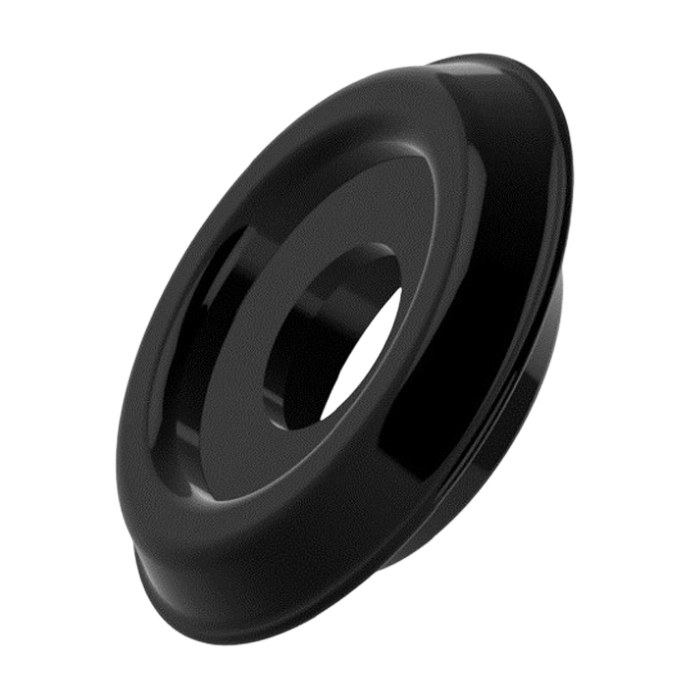
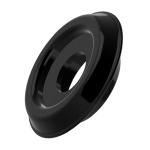
Custom rubber covers and sleeves protect exposed ends, openings and components from dust, handling contact and environmental exposure. Simple slip-on designs can be made to match the opening size, insertion depth, wall thickness and required fit. Send us your drawing, sample or basic dimensions for review.

These rubber covers and sleeves are made for straightforward slip-on protection over exposed ends, openings, and components. Fit is mainly controlled by the opening size, cover depth, wall thickness, rubber hardness, and how often the cover needs to be removed.

Covers exposed ends and openings to reduce dust, handling contact, and surface damage during use, storage, or transport.

Specify the mating diameter, width, or profile so the opening can be sized for a loose, close, or light interference fit.

Define how far the cover should extend over the component. Engagement depth affects retention, protected area, and ease of removal.

Wall thickness is selected around the required flexibility, handling feel, shape retention, and installation method.

A cover removed during regular service may need a different fit from one installed once for shipping or long-term protection.

Send a drawing, 3D file, mating-part dimensions, or physical sample so the opening and fit can be checked before production.

Start with the mating part and required fit, then select the compound for the actual temperature, oil, weather, or chemical exposure.
| Product Specifications | |
|---|---|
| Product Type | Rubber Covers & Sleeves |
| Opening / Fit | Loose, close, or light interference fit |
| Materials | NBR, EPDM, FKM, HNBR, Silicone, Fluorosilicone, Neoprene, SBR, ACM, AEM |
| Key Dimensions | Opening size, cover depth, wall thickness |

For a useful first sample, provide the mating dimensions, required cover depth, material environment, and whether the cover should be easy to remove or held by light interference.
Material Options
Fit & Size Review
Simple rubber covers and sleeves are used where a flexible part needs to slip over an exposed end, opening, housing section, or component without a complex internal cavity.
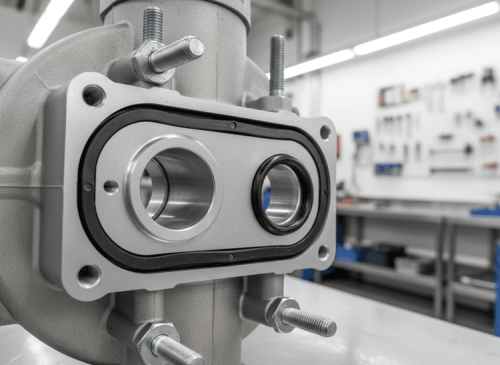
Used over simple equipment openings or exposed areas where dust and handling protection are needed.
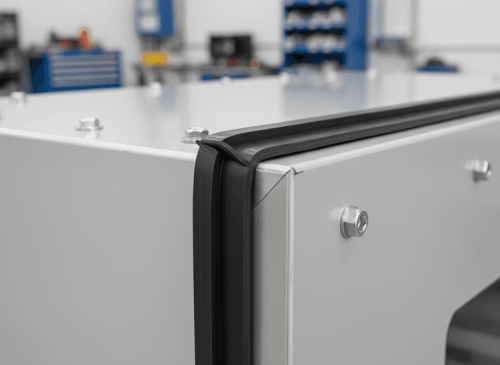
Slip-on covers can protect exposed ends and surfaces during assembly, storage, shipment, or service.
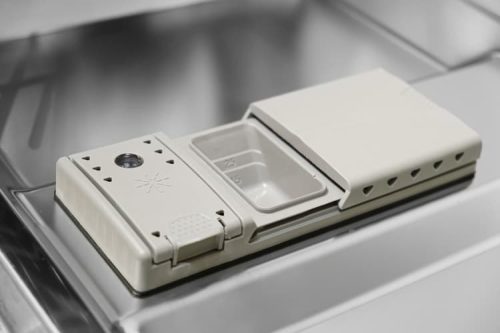
Flexible sleeves and covers can be fitted over simple appliance components that need removable dust or contact protection.
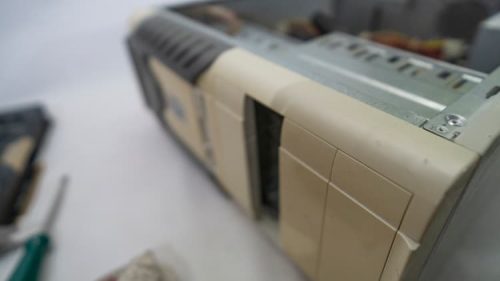
Used around selected terminals, connectors, and component sections where a removable flexible cover is required.
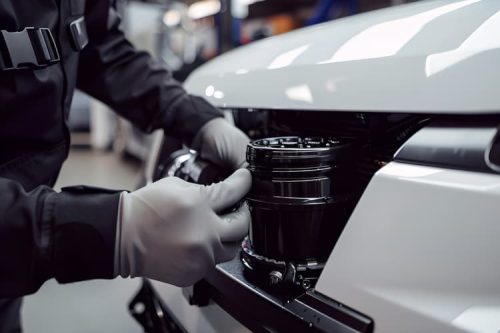
Suitable for straightforward protective covers used on automotive, machinery, and fabricated components.

For slip-on covers, the mating part matters as much as the cover drawing. We check the dimensions and fit conditions that affect installation, retention, and removal before production.
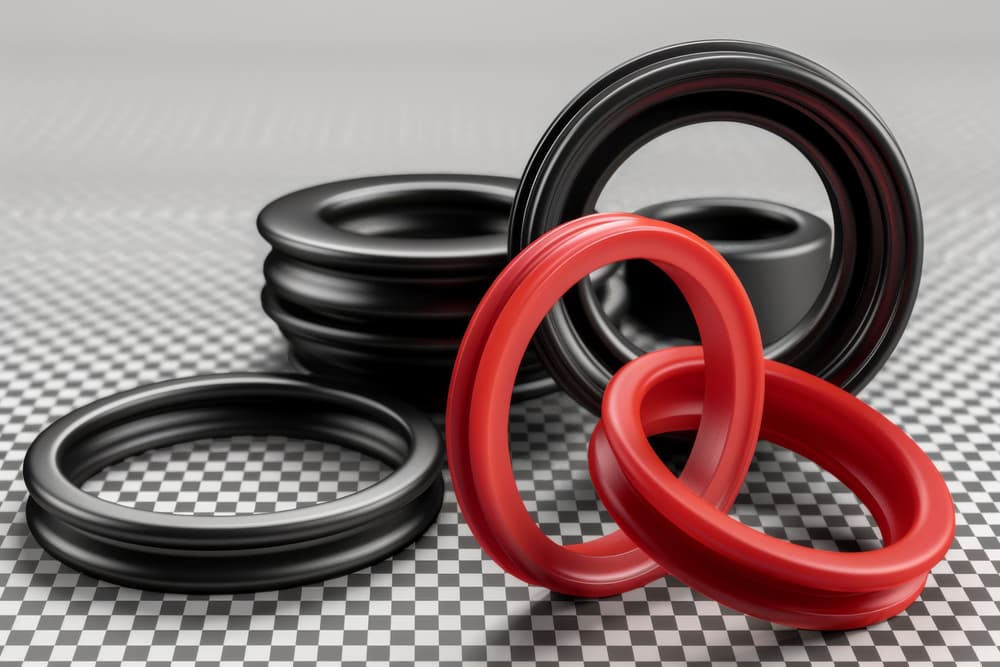
Provide the mating diameter, width, height, edge profile, and required cover depth. A physical sample can also be used when drawings are incomplete.
Select the compound around temperature, oil, fuel, ozone, weather, abrasion, and any project-specific compliance requirements.
First samples can be checked for installation force, retention, removal, visible stretching, and fit on the mating component.
If the part needs stepped cavities, locking grooves, molded lips, flanges, or tightly controlled internal geometry, use our complex molded protective caps and covers page instead.

Explore complementary sealing solutions from our comprehensive product catalog.