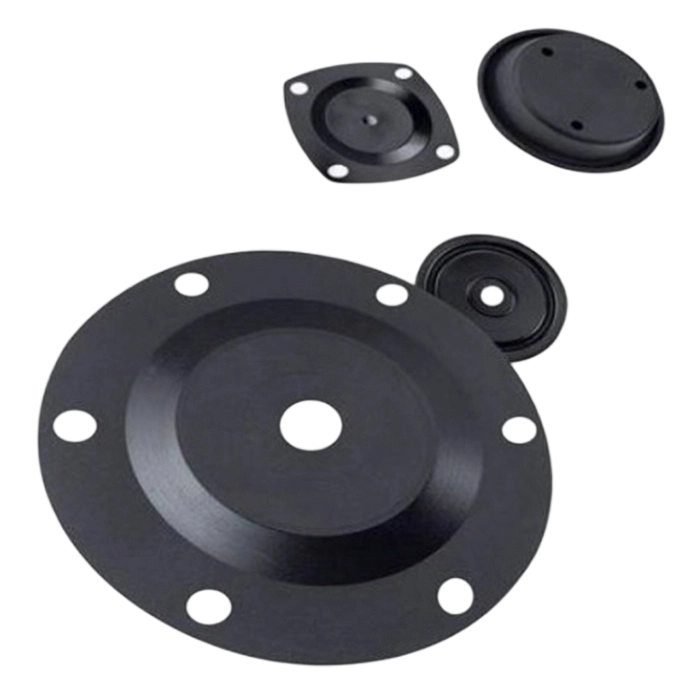
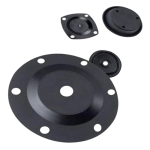
Hongjie manufactures molded rubber diaphragms for automotive OEM and Tier supplier projects. Each part is developed around the operating media, pressure range, stroke, installation geometry and required service life. PPAP documentation, critical-dimension inspection and project-specific validation can be included when defined during the quotation stage.

A diaphragm has to flex repeatedly while keeping pressure or media separated. For automotive parts, we review the actual medium, pressure range, stroke, temperature and expected cycle life before confirming the design.
Membrane thickness, sealing-edge geometry, clamping and reinforcement all affect how the part moves and where failures can start.

The active membrane must move through the required stroke without cracking, tearing or taking excessive permanent set over the expected cycle life.

The compound is checked against the specified oil, fuel, coolant, lubricant, air or other media together with the operating temperature.

Operating pressure, peak differential pressure and required travel are reviewed together so the profile is not over-stretched or restricted in the assembly.

Flange, bead or lip geometry is matched to the clamping surface to reduce leakage around the diaphragm edge.

Critical membrane thickness and effective diameter can be identified on the drawing and included in sample and production inspection.

Fabric or metal reinforcement can be reviewed when the design needs added stability or load support around the clamped area.

For quotation and design review, we need the actual media, pressure, stroke, temperature and cycle requirements. These inputs are reviewed together with the compound, profile and sealing geometry.
| Product Specifications | |
|---|---|
| Product Type | Automotive Rubber Diaphragm |
| Operating Media | Oil, fuel, coolant, lubricant, air, vacuum or specified automotive fluids |
| Operating Pressure | Normal and peak differential pressure required for review |
| Stroke / Movement | Required travel, direction and membrane deformation |
| Temperature | Continuous and peak temperatures required for review |
| Cycle Requirement | Expected service cycles or customer durability requirement |
| Materials | NBR, HNBR, FKM, Fluorosilicone, Silicone, ACM, AEM |
| Compound Standard | ASTM D2000 where applicable |
| Hardness | Selected to suit compound, movement and sealing requirement |
| Profile | Flat, dished, convoluted or project-specific |
| Sealing Edge | Flat flange, molded bead, lip or custom geometry |
| Reinforcement | Fabric or metal reinforcement reviewed by design |
| Inspection | Critical dimensions defined on customer drawing |
| Quality System | IATF 16949 |
| Documentation | PPAP Level 3 available for qualified automotive projects |

For automotive programs, the submission scope is agreed before tooling. PPAP records, material-batch traceability, critical-dimension inspection and customer-defined validation requirements are tied to the approved part and process.
Documentation Available
Quality System
These parts are used where a flexible membrane has to seal, separate media or respond to pressure inside an automotive assembly.
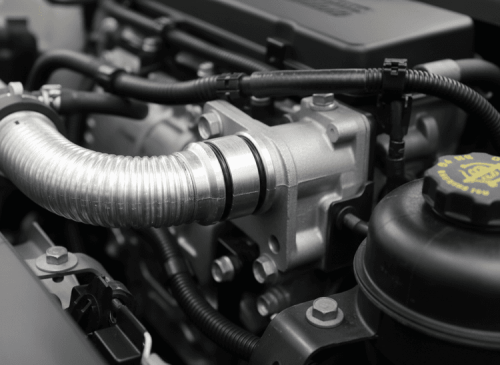
Used where the diaphragm must maintain a flexible seal while moving repeatedly inside the assembly.
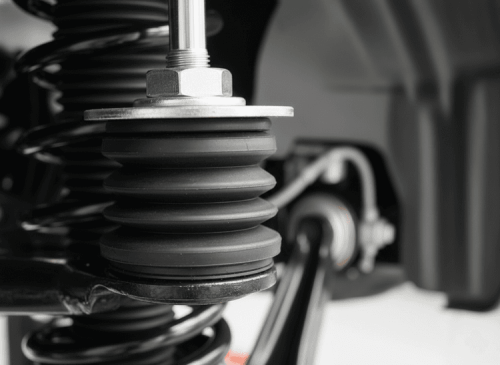
The membrane responds to pressure changes and transfers that movement to the connected mechanism.
Used to separate chambers and move with a defined vacuum level or pressure difference.
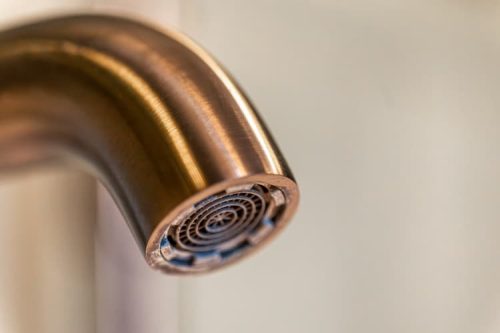
Compound and profile are selected around the specified oil, fuel, coolant, lubricant or other automotive fluid.
Diaphragm geometry can be developed for compact actuator and control assemblies that require repeatable movement.
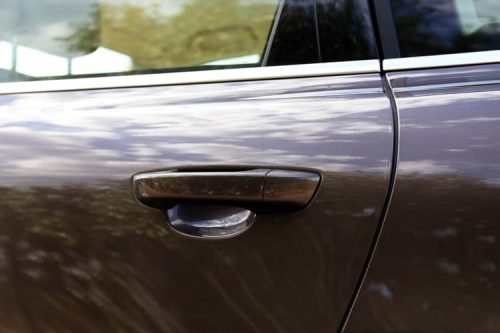
Custom profiles can separate air chambers and move through the required stroke in pressure- or vacuum-operated controls.

Automotive diaphragm projects move from drawing review to material confirmation, sample approval and controlled production. PPAP and validation requirements are agreed early so the sample and production records match the customer specification. For non-automotive pressure-control applications, see our rubber diaphragms for pressure control systems.
We review the part drawing or sample together with media, pressure, temperature, stroke, installation geometry and critical dimensions.
The compound, membrane profile, sealing edge, clamping area and reinforcement needs are confirmed before tooling.
Samples are checked to the agreed drawing and inspection plan. PPAP Level 3 documentation and customer-defined validation are prepared when required.
After approval, production follows the confirmed material, tooling, inspection points and traceability requirements.

Explore complementary sealing solutions from our comprehensive product catalog.
Our engineering team reviews your specs and responds within 24 hours with material recommendations and competitive pricing.