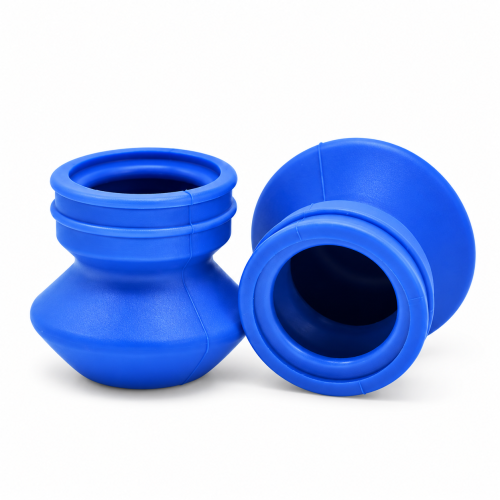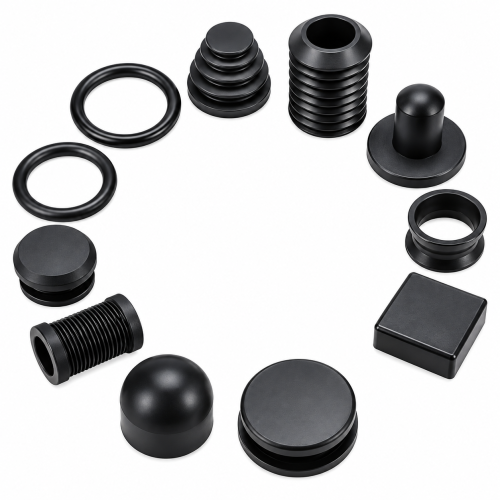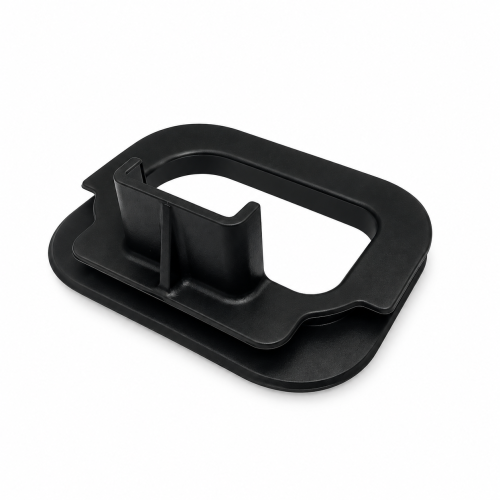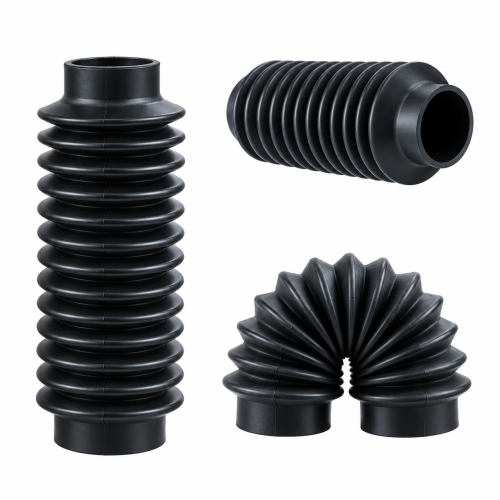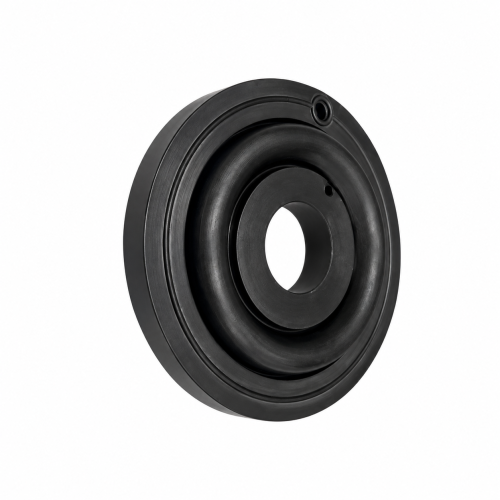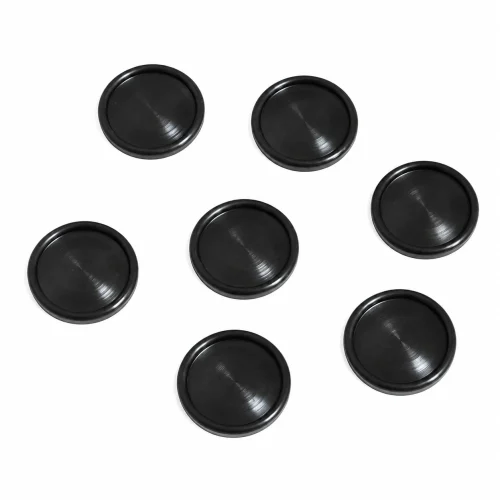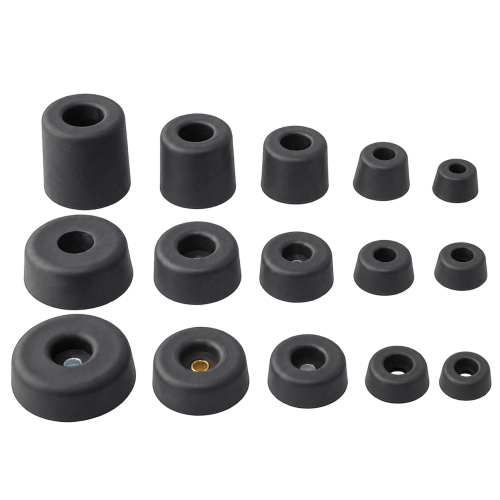
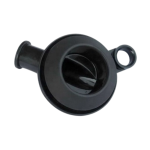
Automotive rubber grommets protect wire-harness bundles and seal body or firewall panel openings against edge abrasion, vibration and fluid contact. To quote, we need panel thickness, harness bundle diameter, environment exposure, retention/lip design, and whether PPAP applies. Request a quote with those inputs and a drawing if you have one.


3–50mm, sized to bundle OD

10–80mm, matched to stamped opening

40–80 Shore A

about 8 business days

typically 12–18 business days, confirmed at quote

confirmed at quote, based on tooling and profile
Split-bore for post-assembly insertion, solid-bore for pre-routed harnesses. For 3–12mm cable bores, use Wire Grommets instead.
Groove width, depth and lip count matched to panel stack thickness; single-lip for thin sheet metal, double-lip for thicker or layered panels.
Standard grommets are not IP-rated. For splash, wash-down or road-spray exposure, use the Automotive Waterproof Rubber Grommet.
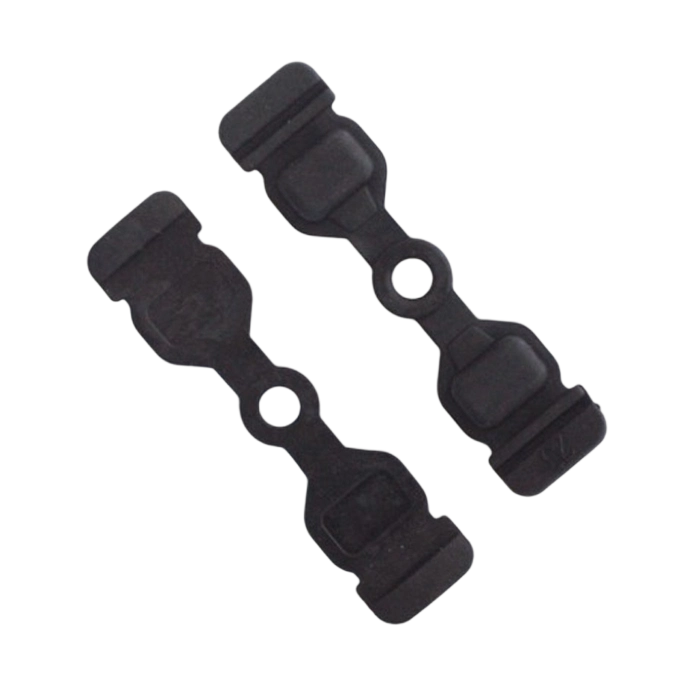

Compounds are tested against engine oil, coolant, ATF and brake fluid. For non-panel wiring into enclosures, use Cable Rubber Grommets.
Panel opening size and stack thickness
Harness bundle OD or profile, taped or conduit-covered
Environment exposure (heat, oil, splash, vibration)
Retention design — lip, flange or groove
PPAP documentation requirement
Quoted under IATF 16949:2016 certification, with SPC monitoring targeting Cpk > 1.33 and C=0 defect sampling on request.
Dimensions are held to the standard tolerance table (±0.10mm on features under 10mm, ±0.25mm at 50–100mm), with precision tolerances down to ±0.02mm on critical lip and groove features where the drawing calls for it. Testing covers hardness, tensile strength, compression set and accelerated aging.
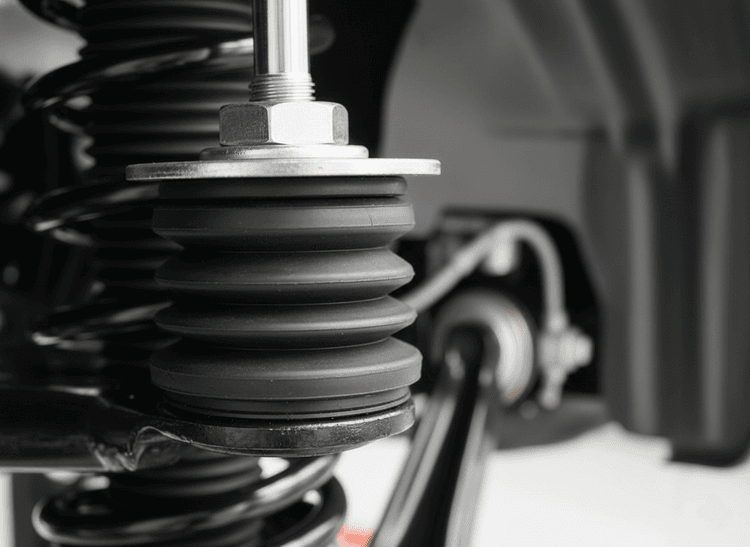
With 3,500+ existing tools on the shelf, most automotive grommet profiles need no new tooling. For a custom bore, flange or lip, functional prototypes ship in 3–5 business days from an uploaded drawing. For the full custom-tooling and OEM qualification process, see Custom Rubber Grommets for Wire Harnesses.

As an OEM rubber grommet supplier under IATF 16949:2016 certification, we quote from panel thickness, harness bundle diameter, environment exposure, retention/lip design and PPAP requirement. Start a project discussion with our engineers.
Where the pass-through must also seal against water or dust, custom waterproof rubber grommets add a compression lip to the standard grommet form.


Explore complementary sealing solutions from our comprehensive product catalog.