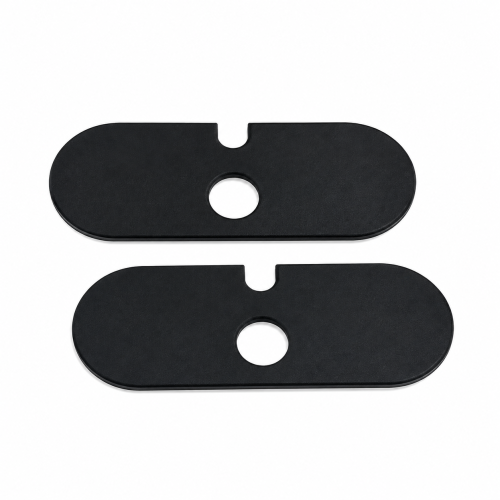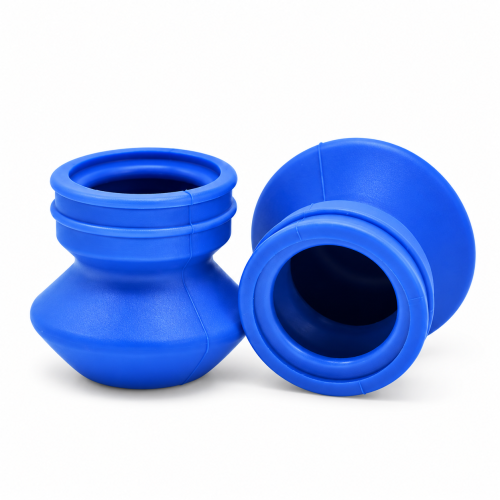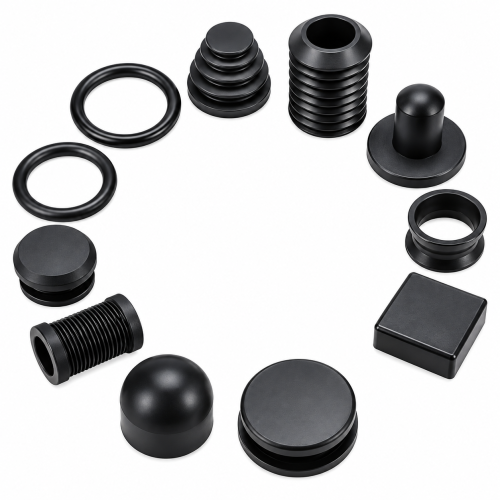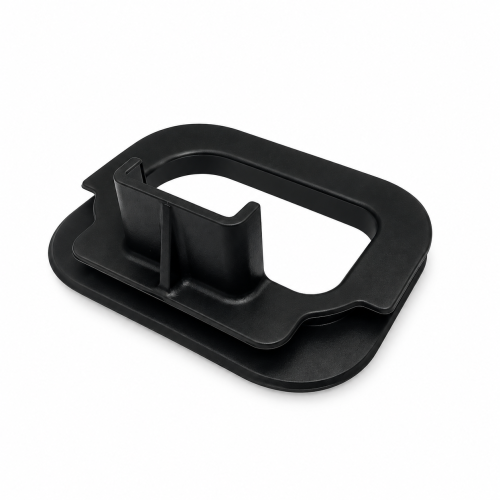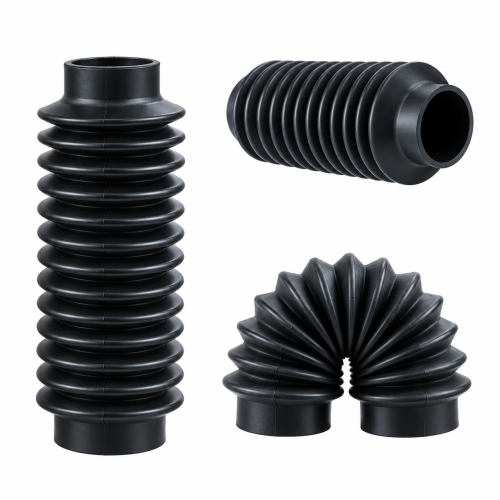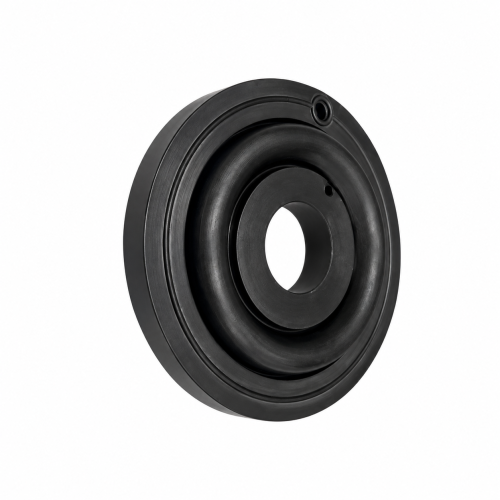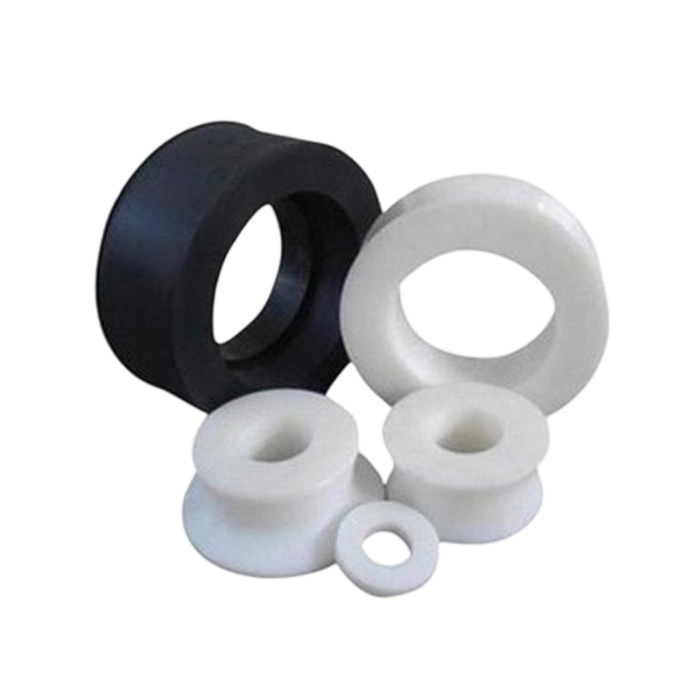
Custom automotive waterproof rubber grommets designed to seal panel openings, protect cable pass-throughs, and reduce dust, moisture, and vibration impact in vehicle assemblies. Available in custom sizes, hardness levels, materials, and colors for different automotive sealing requirements.

These grommets are built for body openings and harness interfaces exposed to rain, splash, wash water, or road spray. The panel groove, sealing lips, and harness interface are matched to the actual opening rather than a generic cable pass-through size.

Outer lips and groove dimensions are matched to the body opening and panel thickness so the grommet stays seated and closes the panel interface.

The inner sealing section is sized around the actual cable, wire bundle, or sleeve instead of a nominal pass-through diameter.

Flange and groove geometry are reviewed for the installation direction and pull-through load to reduce loosening after assembly.

Rain, road splash, wash water, or direct-spray conditions can be included in the design inputs before tooling.

EPDM, NBR, HNBR, silicone, neoprene, or FKM can be selected around temperature, weathering, and fluid exposure at the installation point.

IATF 16949 production support is available, with project-specific inspection and PPAP requirements agreed before production release.

For a waterproof body grommet, panel and harness details need to be reviewed together. Send the opening geometry, panel stack, bundle size, sealing surfaces, retention needs, and drawing tolerances.
| Interface & Project Inputs | |
|---|---|
| Product Type | Automotive Waterproof Grommet |
| Application | Vehicle Body Openings & Wet-Zone Harness Interfaces |
| Panel Opening | Hole diameter or cutout dimensions |
| Panel Stack | Sheet thickness, coating, or multi-layer stack |
| Harness / Bundle | Cable OD, bundle range, and sleeve condition |
| Sealing Interface | Lip position, contact surface, and available compression |
| Retention | Groove, flange, pull-through direction, and installation method |
| Material Options | EPDM, NBR, HNBR, Silicone, Neoprene, FKM |
| Hardness | 10–90 Shore A |
| Quality System | IATF 16949 Certified |
| Inspection | Critical dimensions, AQL / C=0 where specified |
| Sample Lead Time | About 8 Days |
| Mass Production Lead Time | 12–18 Days |

Initial samples can be checked against the actual panel and harness before production. If the program requires a water test or PPAP submission, provide the test method, acceptance criteria, and document level at RFQ.
Sample Lead Time
In-House CNC Tooling Support
This page is for vehicle openings where water ingress is part of the requirement. Standard harness grommets used mainly for abrasion protection or retention belong on the separate automotive harness-grommet page.
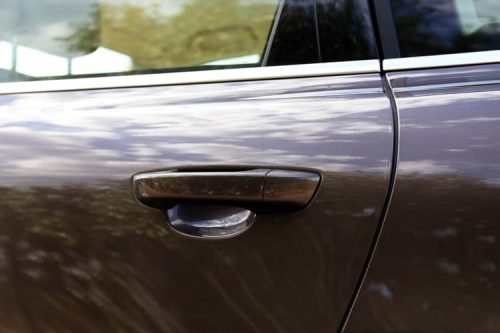
For wiring routes through body or door sheet metal exposed to rain, wash water, or exterior moisture.
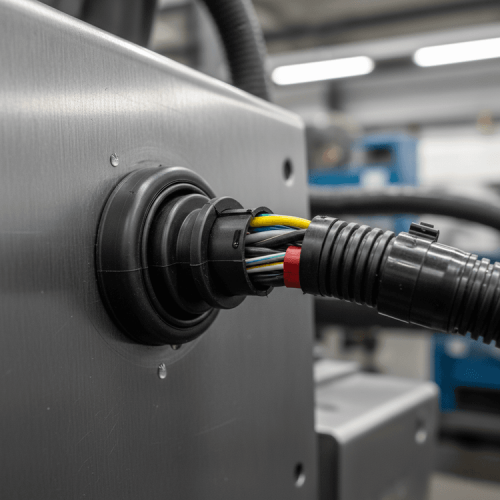
For lower openings exposed to road splash, dirt, and repeated wet conditions.
For harness routes through rear body panels and tailgate areas where the opening needs a defined water barrier.

For harness entries that must keep moisture away from connectors, modules, or the protected side of the assembly.

For firewall pass-throughs only when water ingress is part of the specification; abrasion-only applications should use a standard automotive grommet.

Tell us where the grommet sits on the vehicle and how that interface will be validated. Location, water exposure, temperature, fluids, harness movement, and the test method can all affect the part design and material choice.
Identify whether the opening is in a door, body panel, floor, rear structure, firewall, or another area exposed to water.
Define rain, road splash, wash water, or direct-spray exposure. Include any OEM or customer-specific water-test method when available.
Provide the operating temperature, expected fluids, and any harness movement that could load the sealed interface during installation or service.
Specify the leak-test criteria, critical dimensions, material documentation, inspection plan, and required PPAP level before sample approval.

Explore complementary sealing solutions from our comprehensive product catalog.