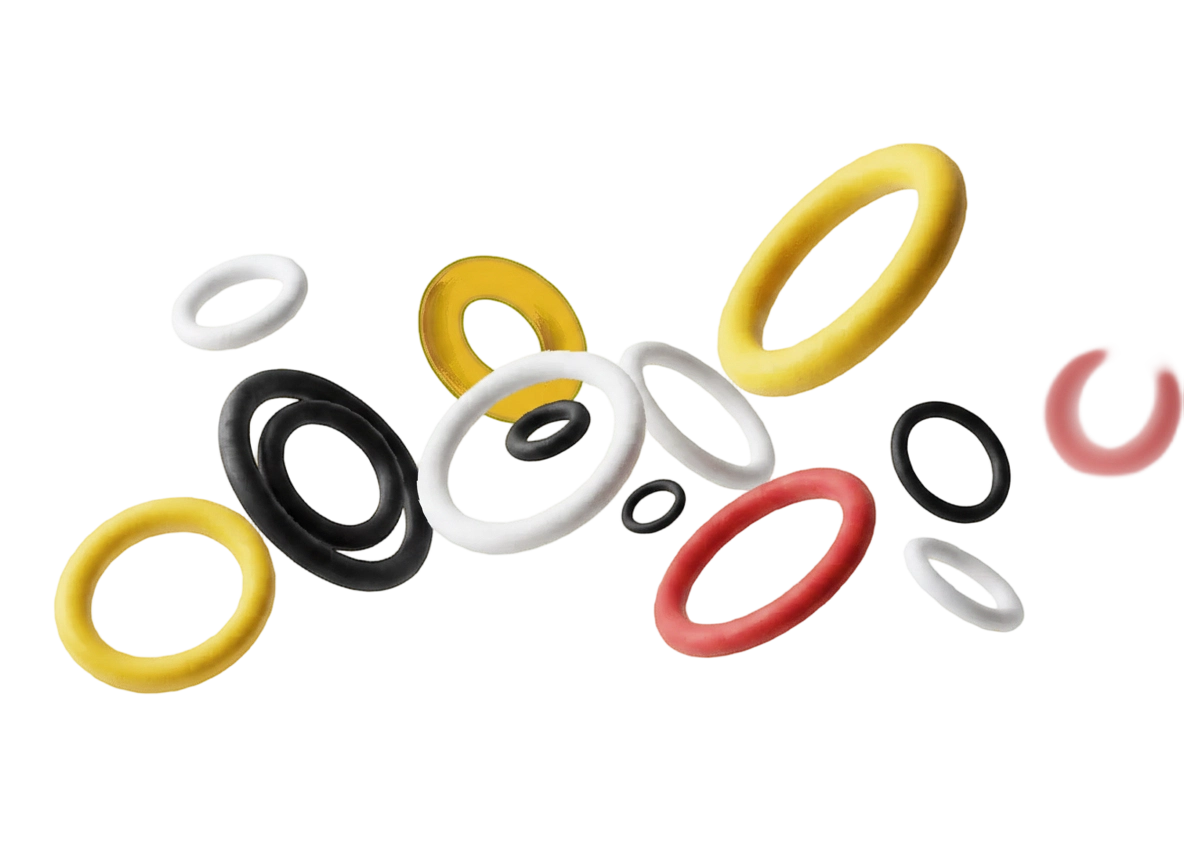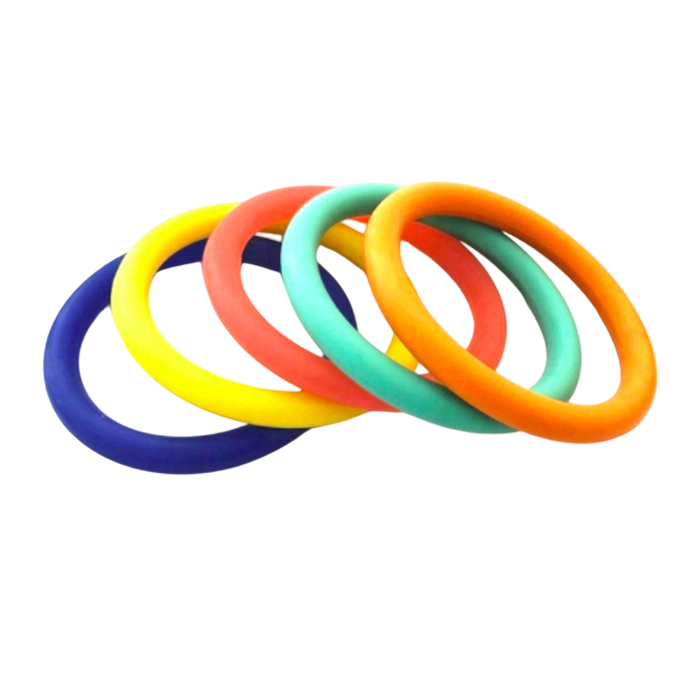

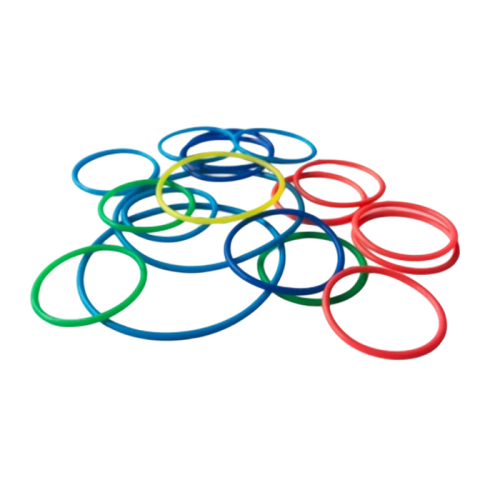
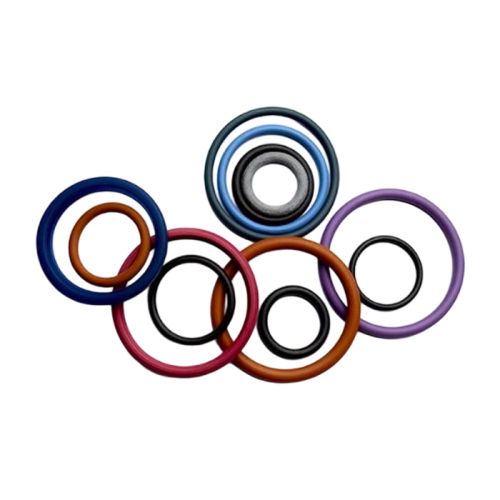
Color-coded rubber O-rings use several documented colors to distinguish part numbers, sizes, assembly positions or product variants. The coding map is defined for the customer’s own production, inventory or service system. Color supports quick visual identification, while labels, part numbers and technical records remain the final basis for verifying the compound and specification.

A documented color system can make similar-looking O-rings easier to separate during picking, assembly, packaging and maintenance. Each color should be connected to a defined part number or use within the customer’s own control system.

Assign different colors to O-rings that have similar dimensions or appearance but belong to different drawings or product codes.

Use the color map to help operators distinguish inlet, outlet, upper, lower or other designated installation positions.

Different colors make replacement parts easier to separate in service kits containing several O-ring specifications.

Colors can distinguish model versions, customer variants or market-specific assemblies within the same product family.

Color, part number and package label can be checked together before the parts are released for assembly or shipment.

The technical specification should define both the functional O-ring requirements and the identification rule assigned to each color. Color is an additional control field rather than a replacement for the part number or compound record.
| Product Specifications | |
|---|---|
| Product Type | Multi-Color O-Ring Identification Set |
| Primary Purpose | Picking, assembly, inventory and maintenance identification |
| Color System | Customer-defined color map |
| Coding Basis | Part number, size, position or product variant |
| Rubber Compound | Confirmed separately for every coded item |
| Dimensions | Defined by drawing, standard size or physical sample |
| Hardness | Defined for each part number |
| Color Approval | Molded samples or agreed acceptance range |
| Packaging | Separated bags, trays or kit positions |
| Package Label | Part number, size, compound and color code |
| Traceability | Batch, part number and production record |
| Verification Method | Color, label and technical documentation |
The same color may be used differently by different companies. The customer-specific color map, part number and technical specification should therefore remain the controlling identification documents.

Before sampling, define what each color represents and connect it to a unique part number, specification or assembly instruction. The final color map can then be used for sampling, packaging, operator guidance and repeat orders.
Existing O-Ring Tools
Dual Identification

Color coding works best when it is supported by controlled packaging and documentation. Each O-ring group should remain connected to its part number, compound, dimensions and batch information throughout packing and delivery.

Different color codes can be packed in separate bags, trays or designated kit positions to reduce mixing.

The color and package label are checked together rather than relying on visual color alone.

Labels can identify the drawing number, dimensions, compound, color code and production batch for each item.

Multi-part service or assembly kits can include a packing list showing the quantity and code assigned to each O-ring.

The approved color map and packaging rule can be referenced when the same coded set is reordered.
Color-coded O-rings are intended for operations where several similar sealing parts must be selected, installed, packed or serviced without being mixed.

Help operators distinguish several O-ring part numbers used within the same equipment or assembly sequence.

Separate replacement seals by color so technicians can match each item to the service instructions and part list.

Support visual checking when multiple O-ring specifications are prepared for one production or service kit.

Distinguish O-ring sets intended for different models, configurations or customer-specific versions.

Assign colors to designated installation positions where several similar seals are used in one assembly.

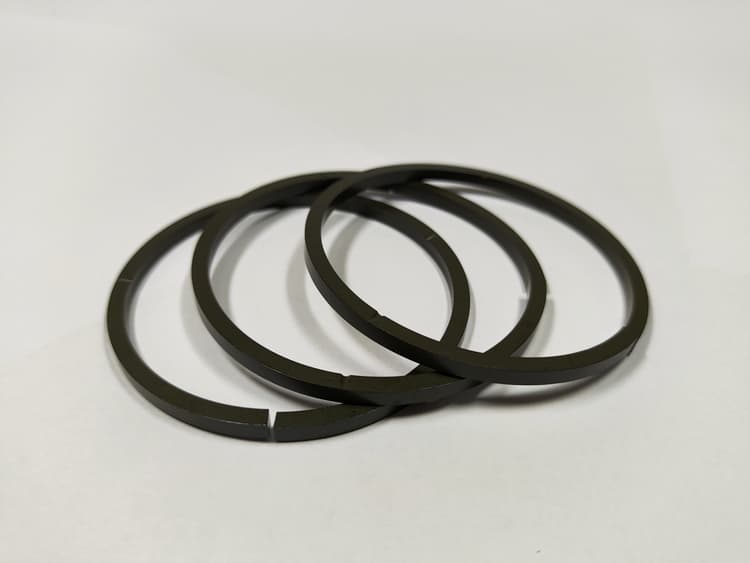
Need one approved shade for a single OEM part number or visible product assembly? View our Custom-Colored O-Rings.

Explore complementary sealing solutions from our comprehensive product catalog.
Our engineering team reviews your specs and responds within 24 hours with material recommendations and competitive pricing.