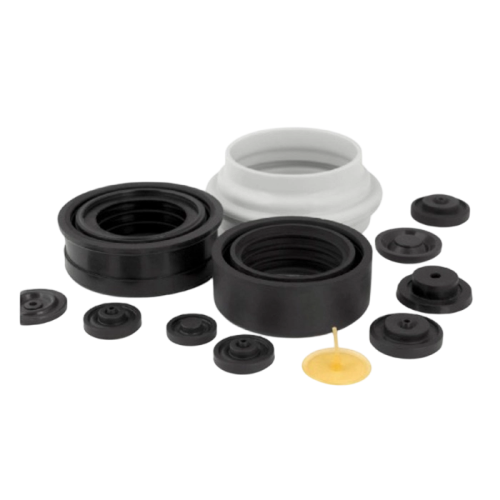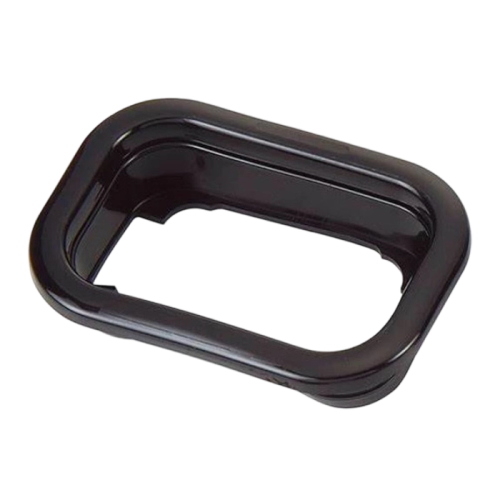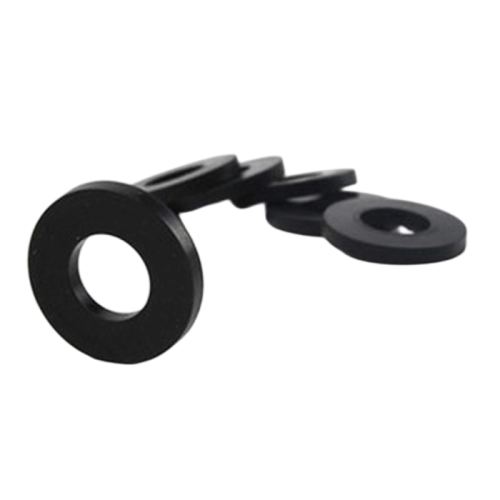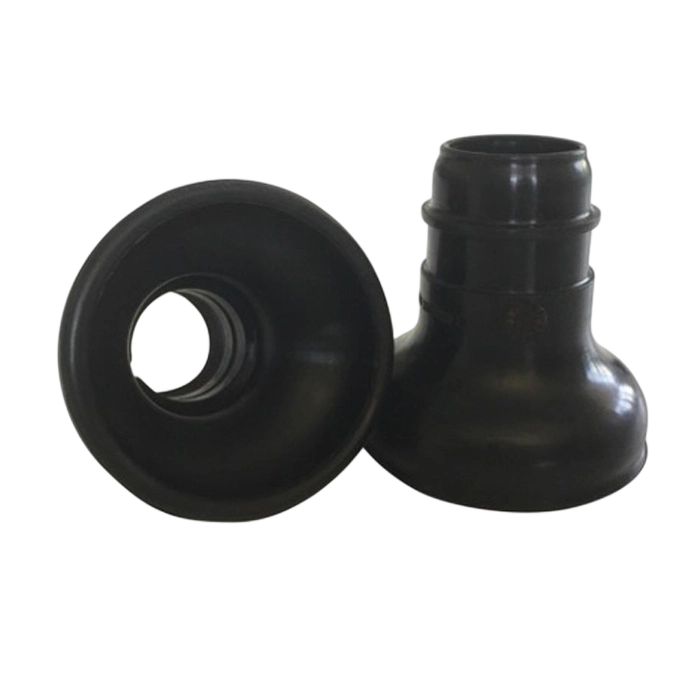
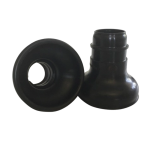
Food-grade rubber caps are available with verified material options for defined food-contact conditions. Selection is based on the applicable regulation or test documentation, contact medium, temperature, cleaning method and whether the cap is reusable or disposable.

These molded rubber caps are developed for sanitary equipment, faucet components, beverage systems and other assemblies where contact conditions and material documentation matter. We review the medium, temperature, cleaning method, fit and required compliance documents before material selection.

Specify whether the cap will contact drinking water, food ingredients, oils, detergents or sanitizing solutions, and whether contact is continuous or occasional.

FDA- or NSF-related material options can be reviewed where applicable. The required regulation, test standard or supporting document should be confirmed before tooling.

Caps are molded to the actual mating diameter, engagement depth, wall thickness and retention requirement rather than selected by outside diameter alone.

Normal temperature, peak temperature and the cleaning process should be provided, especially when hot water, steam, detergents or sanitizers are involved.

For reusable caps, we can review insertion force, removal force, grip, lip geometry and repeated installation so the cap stays secure without becoming difficult to remove.

Samples can be checked on the mating part for fit, retention, dimensions and surface condition. Production inspection and lot records can then be agreed for the approved design.

Use the table below to define the cap around its actual sanitary application. Final material selection depends on the contact medium, temperature, cleaning process and the documentation required for the selected compound.
| Project Information to Confirm | |
|---|---|
| Product Type | Food-Grade Rubber Cap |
| Primary Documentation | Sanitary, food-contact, faucet and water-system equipment |
| Cap Style | Closed-end cap, external cap or plug-style cover |
| Material Selection Basis | Contact medium, temperature, cleaning method and required documents |
| Compliance Review | FDA / NSF-related options, RoHS and REACH where applicable to the selected compound |
| Common Material Options | Silicone, EPDM, NBR, HNBR, Neoprene and FKM |
| Hardness Range | 10–90 Shore A |
| Mating Dimensions | Opening or fitting diameter, cap depth, wall thickness and engagement length |
| Retention / Removal | Light grip, secure retention or repeated removal as required by the application |
| Service Conditions | Contact medium plus normal and maximum operating temperature |
| Cleaning Conditions | Manual washing, hot-water cleaning, detergent, sanitizer or other specified process |
| Sample Lead Time | About 5 Days |
| Mass Production Lead Time | About 10 Days |
| Documentation | Material declaration, inspection report and applicable compliance records as agreed before production |

Before mass production, samples can be checked against the mating component for fit, retention, removal and critical dimensions. Inspection items and required lot documentation can be agreed after sample approval.
Sample Lead Time
Mass Production Lead Time
This page is intended for caps used around food, drinking water and sanitary equipment. The application should be defined by the contact medium, cleaning process, temperature and required material documentation.

For faucet bodies, ports and water-system interfaces where cap fit, water exposure and any potable-water documentation need to be reviewed together.

Used on sanitary equipment openings and fittings that need a removable molded cover with controlled grip, clean surfaces and defined material requirements.
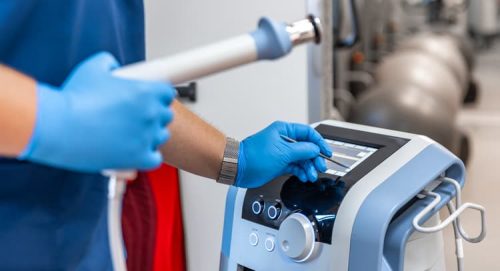
For processing-machine ports and product-area interfaces where the contact medium, washdown method and food-contact requirement are known before material approval.
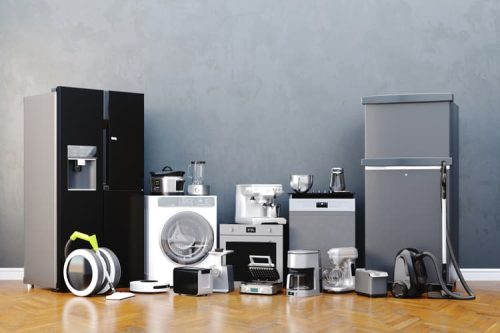
For water-contact openings in dispensers, coffee machines and other appliances where the cap must fit the mating feature and tolerate the specified cleaning cycle.

For beverage equipment ports, connectors and service openings where repeated removal, cleaning conditions and material documentation are part of the specification.

For sanitary equipment areas exposed to hot water, detergents or sanitizing solutions, with material selection based on the actual chemical and temperature conditions.

Send the mating dimensions or a sample together with the contact medium, service temperature, cleaning method and required documents. We use those details to review the cap geometry and material before tooling.
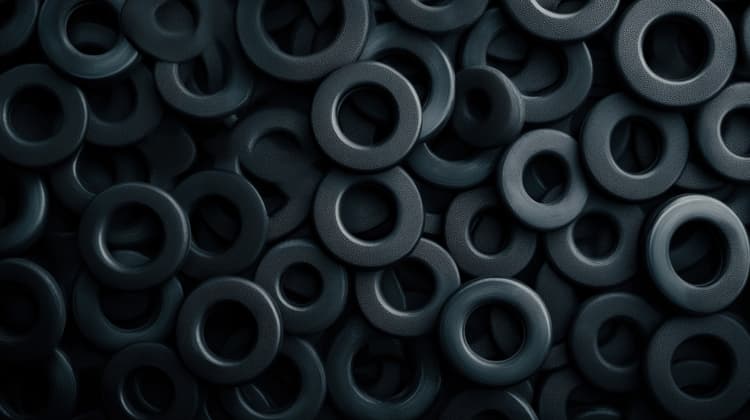
Provide the fitting or opening diameter, cap depth, wall thickness and engagement length. A mating sample is also useful when retention or removal force is important.
State the contact medium, operating and cleaning temperatures, cleaning chemicals and the exact compliance or material documents required for the project.
After the drawing and material are confirmed, tooling is prepared and first samples are molded for dimensional, surface and fit checks on the actual interface where possible.
Critical dimensions, visual requirements and material identification can be agreed before production. Required inspection reports or lot records should be listed on the order or drawing.

Explore complementary sealing solutions from our comprehensive product catalog.
Our engineering team reviews your specs and responds within 24 hours with material recommendations and competitive pricing.