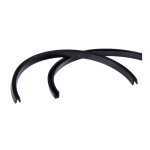
Hongjie manufactures continuous extruded rubber strips and profiles to customer-defined cross-sections. Specify the profile drawing, material, hardness, straight or coiled length, joint requirements and service environment for production review.

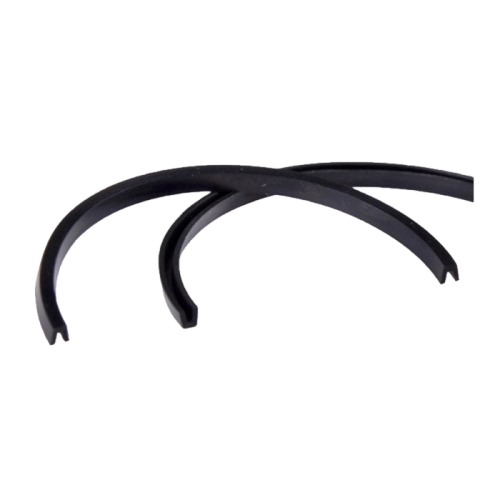
Extruded rubber profiles are produced with a continuous cross-section and can be supplied in coils, straight lengths, or cut sections. Profile geometry is selected according to the groove, edge, compression requirement, and installation method.

Compressible bulb-style profiles for doors, covers, and enclosure sealing surfaces where controlled compression is required.

Profiles combining a sealing bulb with an extended mounting or contact section for continuous edge and gap sealing.

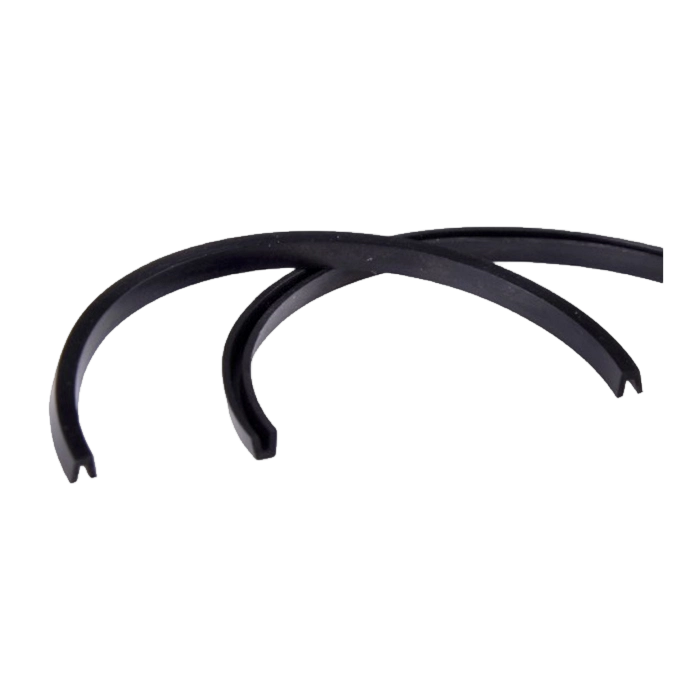
Edge-mounted channel profiles designed to fit over sheet metal, panels, or exposed edges for protection and cushioning.

Simple continuous sections for linear sealing, spacing, cushioning, and contact protection along long assembly interfaces.

Drawing-defined profiles can include grooves, lips, ribs, bulbs, or mounting features according to the installation geometry.

Profiles can be reviewed for continuous coil supply, straight lengths, or specified cut-to-length sections according to handling and assembly needs.

Specify the profile section, compound, hardness, supply format, finished length, joint requirements, and critical dimensions according to the installation environment.
| Product Specifications | |
|---|---|
| Product Type | Extruded Rubber Sealing Strips and Profiles |
| Cross-Section | D, P, U, Rectangular, Solid or Custom Profile |
| Supply Form | Continuous Coil, Straight Length or Cut-to-Length |
| Finished Length | Customer Specified |
| Materials | EPDM, NBR, Silicone, FKM, Neoprene and Project-Specific Compounds |
| Compound Standard | ASTM D2000 Options Available |
| Compliance | FDA, NSF, RoHS or REACH Options Subject to Compound Selection |
| Color | Black or Project-Defined Colors |
| Hardness | Selected According to Sealing and Compression Requirements |
| Profile Dimensions | Defined by Cross-Section Drawing or Approved Sample |
| Surface | Smooth or Application-Specific Finish |
| Tolerance | Confirmed by Profile Geometry and Critical Dimensions |
| Joint Option | Straight Cut, Bonded Joint or Joined Frame Where Applicable |
| Packaging | Coils, Straight Bundles or Individually Packed Cut Sections |
| Drawing Input | Dimensioned Cross-Section Drawing Preferred; Physical Sample Can Be Reviewed |
| Applications | Enclosures, Machinery Panels, Access Covers, Edge Protection and Long Sealing Interfaces |
Compound selection should match temperature, fluid exposure, weathering, flexibility, compression behavior, and any project-specific compliance requirements.

Extruded sealing performance depends on more than the compound. Critical widths, heights, wall sections, grooves, finished length, compression features, and joint configuration should be identified before production.
Continuous, Straight or Cut-to-Length
Bonded or Joined Where Applicable
Extruded profiles are best suited to applications requiring a continuous sealing or protective section along an edge, opening, or assembly line. For discrete flat sealing interfaces, see molded gaskets for flat sealing interfaces.

Continuous profiles installed around enclosure doors, covers, and openings to support dust, moisture, and gap sealing.

Linear profiles fitted between machinery panels and structural interfaces where a continuous compressible section is required.
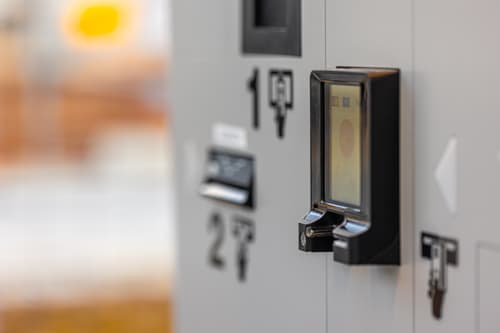
Bulb and shaped profiles can follow door or cover edges where repeated opening and closing requires flexible compression.

Continuous strips are used along extended sealing lines where individual molded gaskets would be unnecessary or impractical.
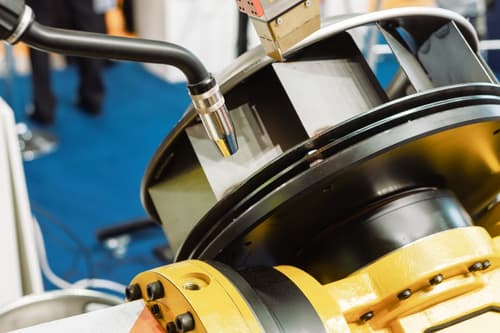
U-channel and related profiles fit over exposed sheet-metal or panel edges to provide cushioning and contact protection.

Production starts with review of the cross-section rather than only the overall part dimensions. Hongjie evaluates profile geometry, compound, hardness, extrusion feasibility, finished length, and secondary operations before sample production. For molded or shaped components outside continuous extrusion, see other custom rubber sealing parts.
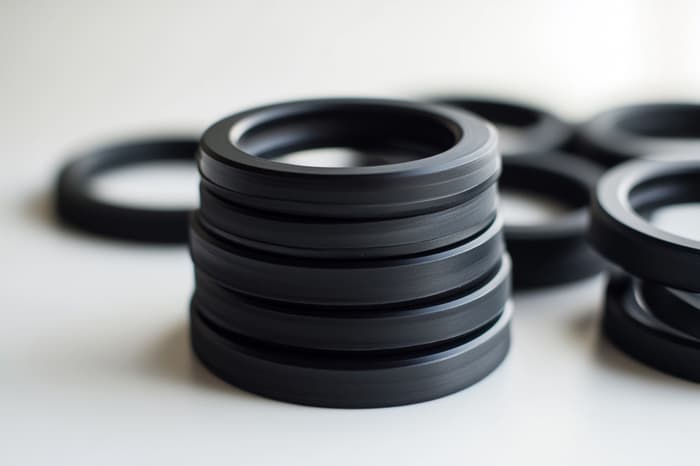
Confirm profile geometry, critical dimensions, grooves, lips, ribs, and installation features from a drawing or approved reference sample.
Match the compound and hardness to temperature, media exposure, flexibility, compression behavior, and project-specific compliance needs.
Prepare the profile extrusion process according to the approved section, then control continuous supply, straight lengths, or specified cut lengths.
Check critical profile dimensions, finished lengths, appearance, and bonded or joined areas where the application requires them.

Practical answers for profile drawings, supply lengths, joints, tolerances, samples, and quotation preparation.

Explore complementary sealing solutions from our comprehensive product catalog.
Our engineering team reviews your specs and responds within 24 hours with material recommendations and competitive pricing.