
Custom silicone rubber grommets protect cable pass-throughs and isolate components where temperature performance, flexibility or cleanliness is required. Provide the installation dimensions, panel thickness, cable diameter and required material grade for design review.

Silicone is chosen when the cable entry has to handle higher temperatures, electrical insulation, cleaner material requirements or a specified compliance grade. If none of these conditions apply, see our general-purpose rubber cable grommets.

Use silicone where the cable entry sits near heaters, motors, lighting or other components that raise the local temperature.

A silicone grommet can provide a flexible insulating barrier between the cable jacket and the surrounding panel or housing.

Silicone is often specified where surface cleanliness, material consistency or controlled handling matters to the finished assembly.

Food-contact silicone can be reviewed when the equipment specification calls for an appropriate material grade or declaration.

For electrical equipment, a flame-retardant silicone can be considered when the drawing or product standard requires it.

Color can be specified for assembly identification, model separation or visual checking without changing the cable-entry function.

Send the actual opening, panel thickness and cable outside diameter. These dimensions set the groove, center hole and flange proportions before hardness and silicone grade are finalized.
| Dimensions to Confirm | |
|---|---|
| Panel Opening | Diameter or cutout dimensions |
| Panel Thickness | Actual thickness at the mounting point |
| Cable / Tube OD | Outside diameter at the grommet contact area |
| Material | Matched to panel thickness and retention requirement |
| Color | Set by opening size and available edge clearance |
| Hardness | Confirmed after fit and installation force are reviewed |
| Temperature | Normal operating and short-term peak temperature |
| Compliance | Specify the required material declaration or standard before tooling |
| Files / Samples | 2D drawing, 3D model, physical sample or measured installation dimensions |

Before the mold is cut, confirm the silicone grade, hardness, normal and peak temperatures, and any material or compliance documents the project requires.
Normal & Peak Temperature
Grade & Compliance Requirements
These examples are typical cases where silicone is selected for heat, electrical insulation, cleanliness or a defined material requirement rather than simply because a grommet is needed.

Used where control wiring passes through metal panels and the cable entry needs a soft, insulating interface.
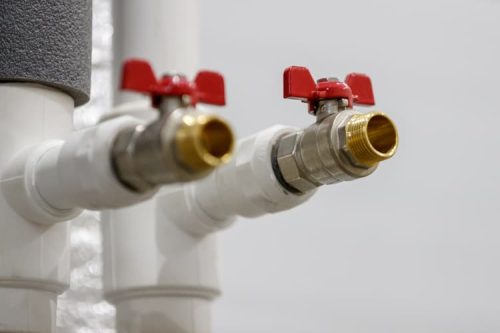
A silicone grade may be specified around cable or instrument entry points where cleanliness and material documentation matter.

Provides a flexible barrier around cable entries while keeping the cable jacket away from sharp panel edges.

Used near heated appliance components where the cable entry sees temperatures above a general-purpose rubber application.

Custom openings and grooves can be molded for sensor leads or small harness entries when the installation calls for silicone.

Tooling starts after the panel, cable and silicone requirements are clear. Samples are then checked for installation and retention before batch production.
Send the panel opening, panel thickness, cable OD and available installation space in a drawing, model, sample or measured assembly.
We confirm hardness, normal and peak temperature, color, and any food-contact, flame or other project-specific material requirement before tooling.
The mold is built around the approved groove, flange and center-hole geometry, then first samples are made for installation checks.
Check panel retention, cable fit and assembly force on the sample. Agreed material records can be supplied with the project. For non-grommet designs, see our custom silicone molded components.

Explore complementary sealing solutions from our comprehensive product catalog.






Our engineering team reviews your specs and responds within 24 hours with material recommendations and competitive pricing.