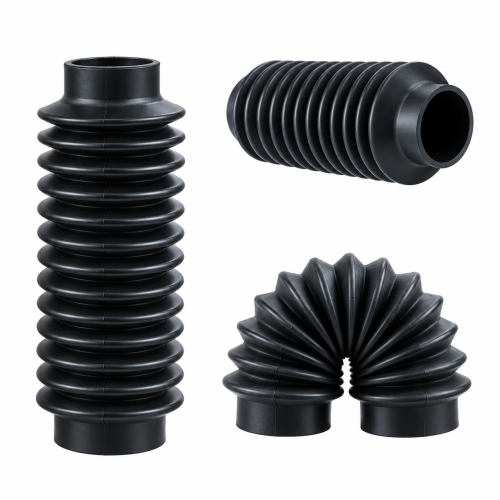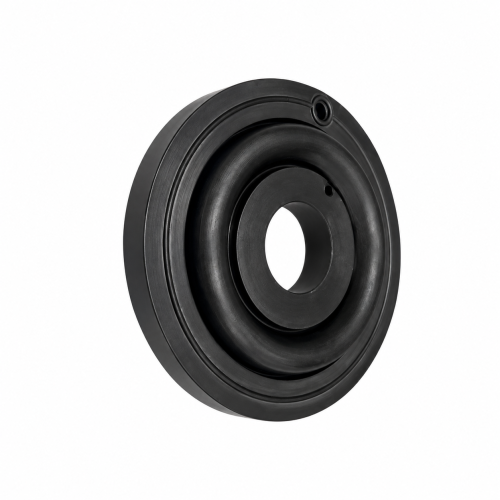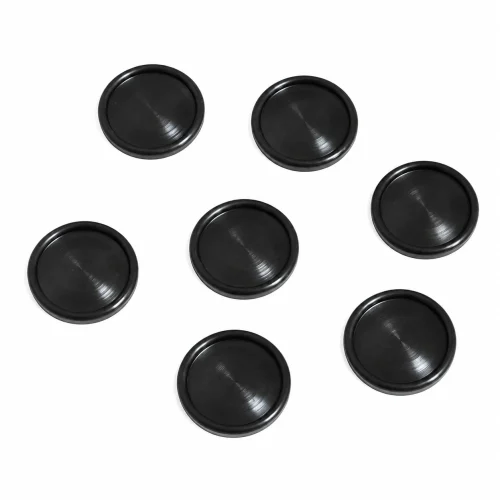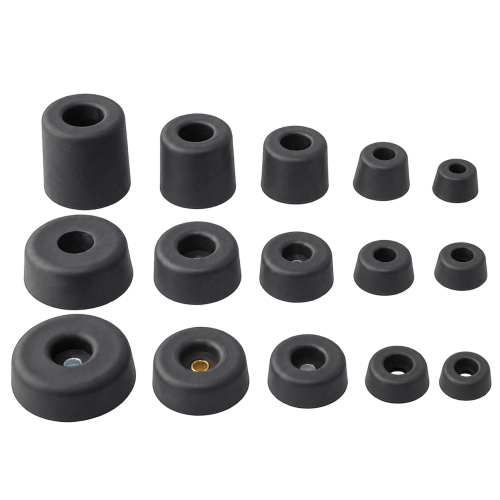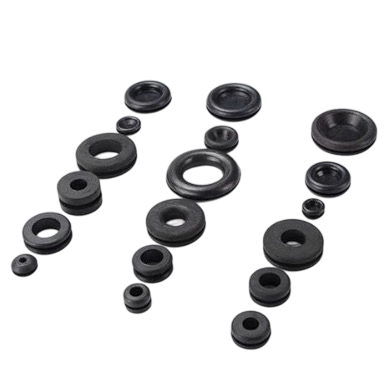
Custom industrial rubber grommets designed for sealing, cable protection, vibration reduction, and opening protection in automotive, faucet, electrical equipment, medical equipment, home appliance, sanitary, and agricultural applications. Available with custom materials, hardness, colors, samples, and specifications.

For machinery panels and equipment enclosures, the first requirement is a secure panel fit. The grommet then protects the cable or tube from metal edges, movement, and local vibration.

Rubber separates cables and tubing from punched or cut metal edges to reduce abrasion during machine operation.

The center opening and groove can be sized around the cable, hose, or wire bundle so it stays centered in the panel.

Flexible rubber limits direct contact and small movements around motors, pumps, fans, and other moving equipment.

Groove width is set from the actual panel thickness so the grommet seats correctly instead of sitting loose or over-compressed.

Flange and center-hole dimensions can be adjusted to cover the opening while keeping the cable or tube correctly positioned.

Tell us if the grommet must resist pull-through, repeated cable movement, or removal during equipment service.

Send the panel opening, panel thickness, and cable or tube size first. These dimensions determine the groove, center hole, and flange before compound or hardness is finalized.
| Dimensions & Service Conditions | |
|---|---|
| Panel Opening | Specify hole diameter or full cutout dimensions |
| Panel Thickness | Specify the actual sheet or wall thickness |
| Cable / Tube Diameter | Provide the outside diameter or bundle size |
| Groove Diameter | Set from the panel opening and required engagement |
| Flange Diameter | Sized to cover the panel edge around the opening |
| Overall Thickness | Check available space on both sides of the panel |
| Retention Requirement | Define pull-through, movement, or service-removal needs |
| Operating Temperature | Provide normal and peak temperatures |
| Oil / Grease Contact | Identify lubricants, oils, or process fluids in contact |
| Dust / Environmental Exposure | Note indoor, outdoor, ozone, moisture, and dust conditions |
| Vibration / Cable Movement | Describe continuous vibration, flexing, or cable movement |
| Compound & Hardness | Selected after the service conditions are confirmed |
| Drawing / Sample Input | 2D/3D drawing, panel dimensions, or physical sample |
| Inspection Focus | Identify dimensions that control fit, seating, and retention |
| Application Scope | Machinery panels, control cabinets, and industrial enclosures |

Start with what the grommet will actually see in service. Oil and heat usually drive one set of compounds; weathering, dust, and repeated movement drive another.
NBR, HNBR or FKM depending on temperature and fluid contact
EPDM, neoprene or silicone depending on exposure and movement
This page covers grommets for industrial equipment panels. For waterproof grommets for outdoor cable entries; for non-round cutouts, see rectangular panel-cutout grommets; for general cable pass-throughs, see general cable-entry grommets.
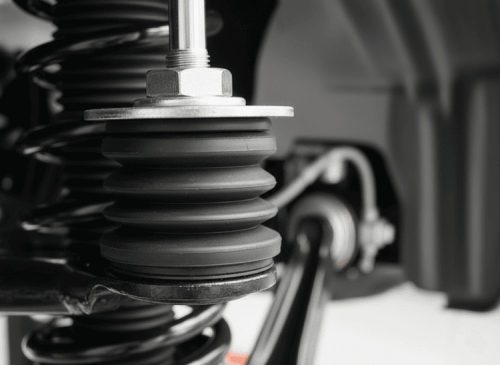
Protect power, sensor, or control cables where they pass through sheet-metal machine housings.
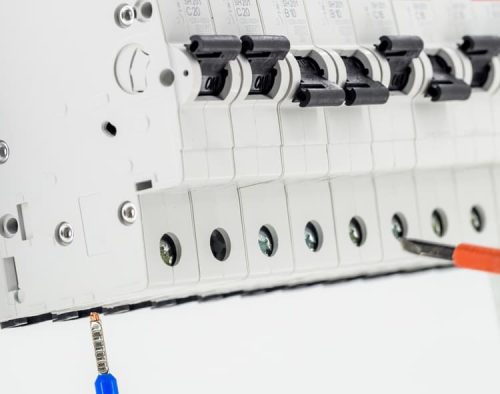
Keep cable insulation away from panel edges at internal wiring and control-panel openings.

Used around cable and tube passages exposed to vibration, lubricants, or elevated operating temperatures.

Fit around wiring that passes through covers, brackets, and equipment housings.

Guide smaller leads through enclosure walls while protecting the cable jacket at the opening.

Used at cable and hose passages where dust, vibration, and repeated movement are part of normal service.

For a non-standard panel grommet, fit is checked against the actual opening, panel thickness, and cable before production. Drawings or physical samples can be used to define the inspection points.
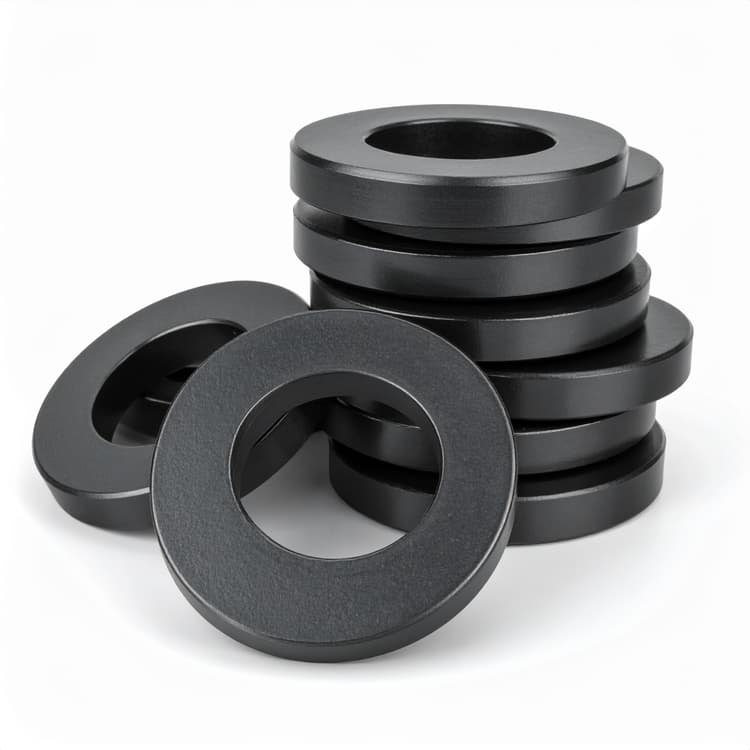
Check panel seating, groove engagement, cable fit, flange coverage, and pull-through resistance before production.
Mark the dimensions that affect installation or retention so inspection focuses on the features that matter.
Confirm compound, hardness, and required material documentation before tooling or production.
AQL or C=0 inspection can be arranged when the drawing, quantity, or project specification requires it.

Explore complementary sealing solutions from our comprehensive product catalog.